Neuralink engineers spent 72 hours with one of their speech restoration study participants, rapidly prototyping a cluster of new features designed to make thought-based communication more natural, more mobile, and more integrated into everyday life. The results — shared by Neuralink on October 29, 2026 — offer the clearest window yet into where the VOICE trial is headed.

What exactly is the VOICE trial, and who are these participants?
The VOICE trial is Neuralink's clinical program specifically targeting speech restoration — not cursor control or typing, but the ability to communicate verbally through thought alone. Participants are individuals who have lost the ability to speak, typically due to conditions like ALS or spinal cord injury. According to previous Neuralink reporting, the trial began implanting participants in 2026, and by September of this year one participant had already spoken using a voice decoded directly from his brain signals. The hackathon was conducted with one of these active study participants, giving engineers real-world feedback that lab simulations simply cannot replicate.
What is voice activity detection, and why does it matter so much?
Until now, participants had to manually press a button to signal when they were attempting to speak — a clunky workaround that breaks the natural flow of conversation. The new voice activity detection system automatically identifies when a user is and isn't intending to speak, removing that manual trigger entirely. It's the difference between having to raise your hand before every sentence and just speaking. For someone using a BCI as their primary communication channel, this is not a minor convenience improvement — it's a fundamental shift toward communication that feels less like operating a device and more like having a voice.

What are the real-time neural visualizations, and what problem do they solve?
One of the persistent technical challenges in BCI development is calibration — figuring out which imagined or intended actions produce the strongest, cleanest neural signals for the decoding model to work with. Different people generate different signal patterns, and even the same person can vary. Neuralink built a suite of real-time visualizations during the hackathon specifically to help participants and engineers see which mental actions are producing the best signal quality. Think of it as a live feedback loop: the participant can observe what their brain is doing and adjust, while the decoding model gets better training data. According to Neuralink's October 2026 data update, decoders now maintain stability for weeks rather than days — some for over three weeks — so improving the quality of initial calibration has compounding benefits over time.

What is Bloom, and is it available now?
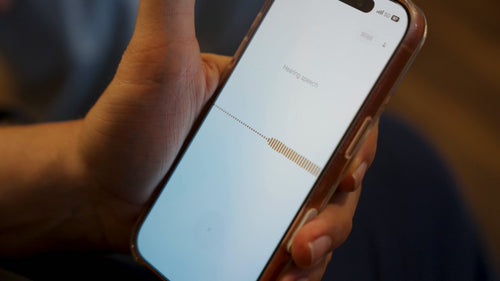
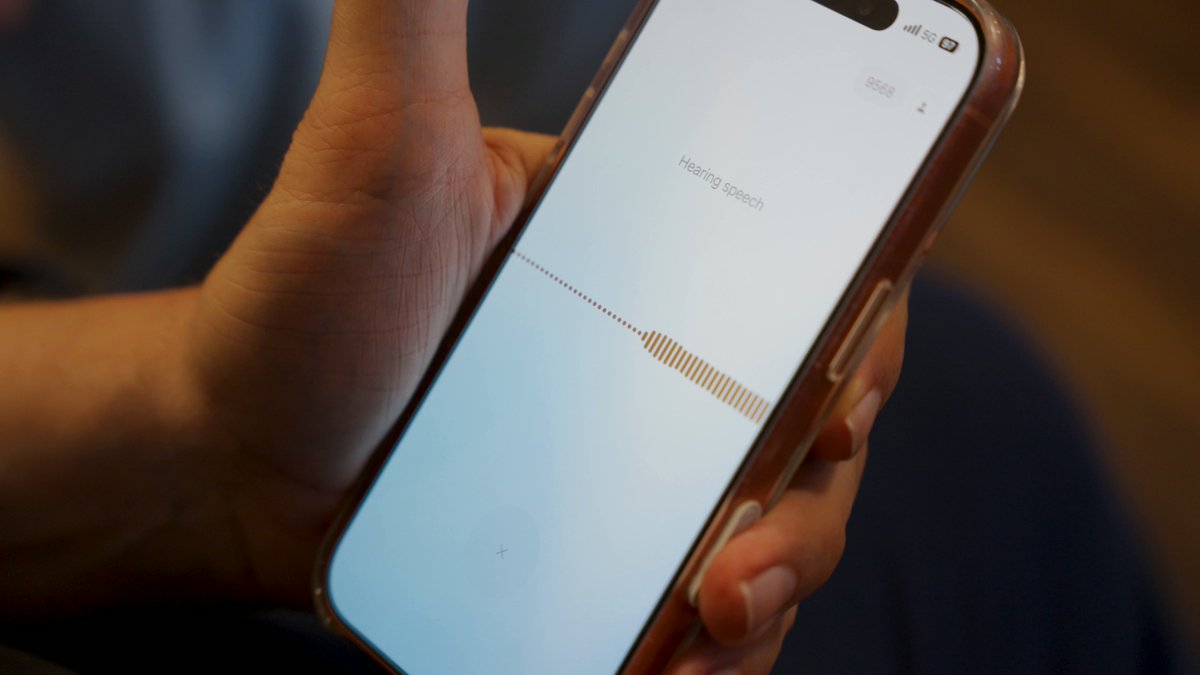
Bloom is a mobile app Neuralink has been building over the past several months to make speech BCI more accessible outside of clinical or lab settings. The hackathon gave engineers a chance to observe a real participant using it in the field and identify friction points that don't show up in controlled testing. Neuralink has not announced a public release date or indicated that Bloom is available beyond the study context. For now, it appears to be a research and trial tool, but its existence signals a clear intent: Neuralink wants BCI communication to work on a phone, not just on dedicated hardware.

How does the iPhone call integration actually work?
Neuralink integrated Bloom directly with iPhone calling so that BCI-decoded speech is injected into the call's microphone stream — meaning the person on the other end of the line hears clear, consistent audio rather than whatever ambient noise or assistive device output was previously the only option. The team also tested optional automated greetings that play at the start of a call, which could help set context for the other person before the BCI speech begins. This is a meaningful usability step: phone calls are one of the most basic forms of daily communication, and being able to make one using only thought-generated speech — through a standard iPhone — moves BCI out of the assistive-tech category and closer to mainstream communication infrastructure.

How fast is Neuralink actually moving on this?
The pace is notable. According to Neuralink's own data released earlier in October 2026, the program has accumulated over 50,000 hours of real-world implant use across trial participants — data that is actively feeding decoder improvements. Calibration time for some users has already dropped from roughly 10 minutes per day to about 10 minutes per week. The fact that a 72-hour hackathon produced multiple shippable prototypes — including a mobile app, automatic speech detection, and phone call integration — suggests the engineering team is operating with a level of iteration speed more typical of consumer software than medical device development. Whether these features make it into broader trial use, and on what timeline, has not been announced.
Sources & reporting notes
The links below identify the material source records used for this report.
- @neuralink on X (2026-10-29T18:48:20.000Z) — Direct source
- @neuralink on X (2026-10-29T18:48:21.000Z) — Direct source
- @neuralink on X (2026-10-29T18:48:22.000Z) — Direct source
- @neuralink on X (2026-10-29T18:48:24.000Z) — Direct source
- @neuralink on X (2026-10-29T18:48:25.000Z) — Direct source
Source links are preserved as published or accessed. See our editorial standards and corrections policy.
The BASENOR Editorial Desk covers Tesla, SpaceX, and related technology, curating reporting from primary sources — official accounts, regulatory filings, and software release data. Every article passes source-record and fact-checking review before publication. About the newsroom.
This report was curated by the BASENOR Editorial Desk from the sources listed above. Read our editorial standards or email editorial@basenor.com to report an error.