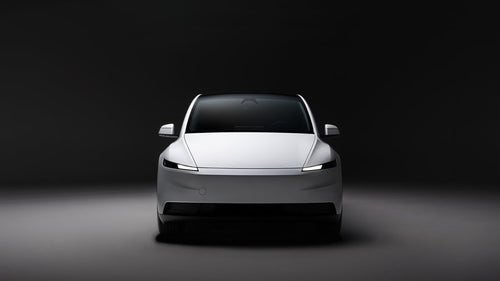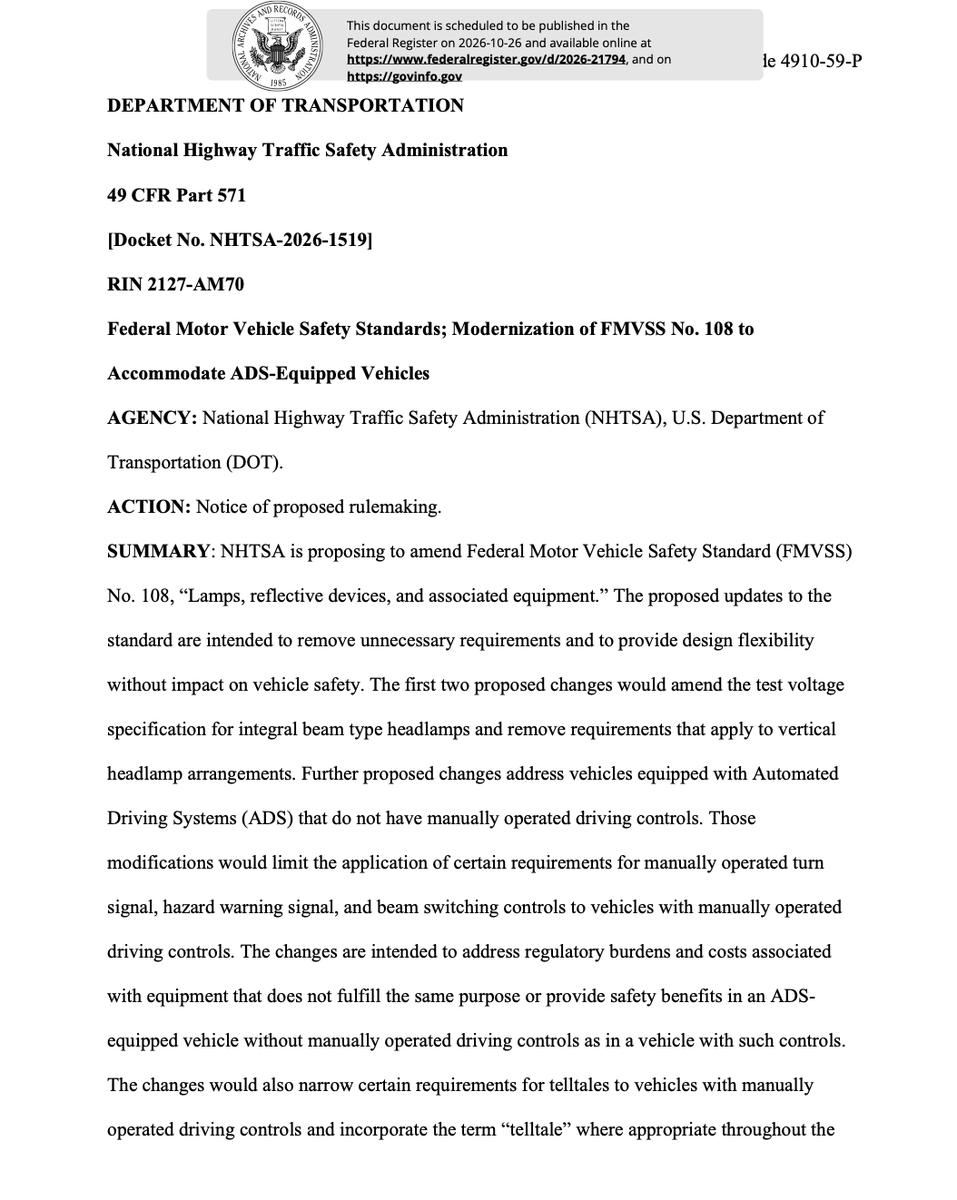
The National Highway Traffic Safety Administration (NHTSA) announced on Thursday a new round of proposed rulemaking designed to strip away federal barriers that currently stand in the way of fully autonomous vehicles without steering wheels or pedals — and the agency named Tesla's Cybercab directly in its filing. The proposal would eliminate several Federal Motor Vehicle Safety Standard (FMVSS) requirements that were written for human-driven cars, including rules mandating manually operated turn signals.
For Tesla, which has publicly committed to launching Cybercab production in 2026, the move is one of the clearest signals yet that the federal regulatory framework is being actively reshaped to accommodate the kind of vehicle Elon Musk unveiled at the "We, Robot" event in October 2024 — a two-seat robotaxi with no steering wheel, no pedals, and no conventional driver interface.

What NHTSA Is Proposing
The core of the new proposal targets safety standards that, as currently written, assume a human sits in the driver's seat. The most notable change on the table: eliminating the requirement for manually operated turn signals — a rule that makes no sense in a vehicle with no human driver to operate them. The filing is part of a broader modernization effort NHTSA has been building toward since the start of the year.
According to NHTSA's regulatory record, this is the latest in a sequence of filings stretching back nearly a year. In January 2026, the agency publicly affirmed its commitment to removing "unnecessary regulatory barriers" for AVs and called 2026 a pivotal year for federal AV policy. In March, it published proposed amendments to FMVSS Nos. 102, 103, and 104, aiming to drop requirements for transmission shift displays and windshield defrosting systems in vehicles without a human driver. In April came proposed changes to FMVSS No. 110 covering tire selection flexibility. In June, NHTSA proposed amending FMVSS No. 135 to eliminate the manual brake pedal requirement for AVs designed exclusively for autonomous operation.
And in July, NHTSA Administrator Jonathan Morrison stated publicly that the agency would "absolutely" consider eliminating the steering wheel and manual control requirement — comments that previewed exactly the kind of rulemaking landing today.
Why the Cybercab Mention Matters
Federal rulemakings rarely call out a specific commercial product by name. NHTSA's explicit reference to Tesla's Cybercab in the filing signals that the agency is actively coordinating its regulatory calendar with the real-world timelines of vehicles already in development. It also meaningfully reduces one of the biggest regulatory risks hanging over the Cybercab program: the possibility that production vehicles would need to meet standards written for human drivers.
Tesla had previously indicated it was pursuing an exemption pathway for Cybercab under existing FMVSS rules. If NHTSA instead modernizes the underlying standards themselves, Tesla would no longer need to rely on vehicle-by-vehicle exemptions — a cleaner, more scalable path to volume production.
The Regulatory Timeline at a Glance
| Date | NHTSA Action |
|---|---|
| Jan 2026 | Agency commits to removing AV regulatory barriers; names 2026 as pivotal year |
| Mar 2026 | Proposed amendments to FMVSS 102, 103, 104 (shift displays, defrost/wipers) |
| Apr 2026 | Proposed FMVSS 110 flexibility for AVs without manual controls |
| Jun 2026 | Proposed FMVSS 135 amendment to drop manual brake pedal requirement |
| Jul 2026 | Administrator Morrison signals openness to dropping steering wheel requirement |
| Oct 23, 2026 | Today's filing: proposed rules targeting manual turn signal and related requirements |
Industry Context
NHTSA's foundational pivot on this issue actually dates to March 2022, when the agency updated occupant protection and crash safety standards to accommodate vehicles without human controls. That rulemaking confirmed that a car didn't need a driver's seat positioned to interact with a steering wheel to meet crash safety requirements. What has followed in 2026 is the second phase of that work — scrubbing the rest of the FMVSS catalog for driver-centric requirements that no longer apply.
The broader AV industry has lobbied for years to see this modernization accelerated. Waymo currently operates driverless robotaxis commercially using vehicles that retain steering wheels. Zoox has been developing purpose-built driverless vehicles under exemption frameworks. Tesla's Cybercab represents the first high-volume consumer-and-fleet AV program publicly targeting production at scale without any manual controls, which is why the Cybercab callout in today's filing is more than ceremonial.

What This Means for Tesla Owners
For current Tesla owners, this proposal doesn't change anything about the car in your driveway today. Model 3, Model Y, Cybertruck, and existing S/X vehicles will continue to operate under the same FMVSS requirements they were built to meet, and Tesla's ongoing FSD coverage continues on current hardware. What changes is the regulatory runway for Cybercab — and, by extension, the plausibility of Tesla's robotaxi network ambitions. A Cybercab fleet that can operate legally on U.S. roads without exemptions is a meaningfully different business than one that needs a case-by-case waiver for every vehicle produced.
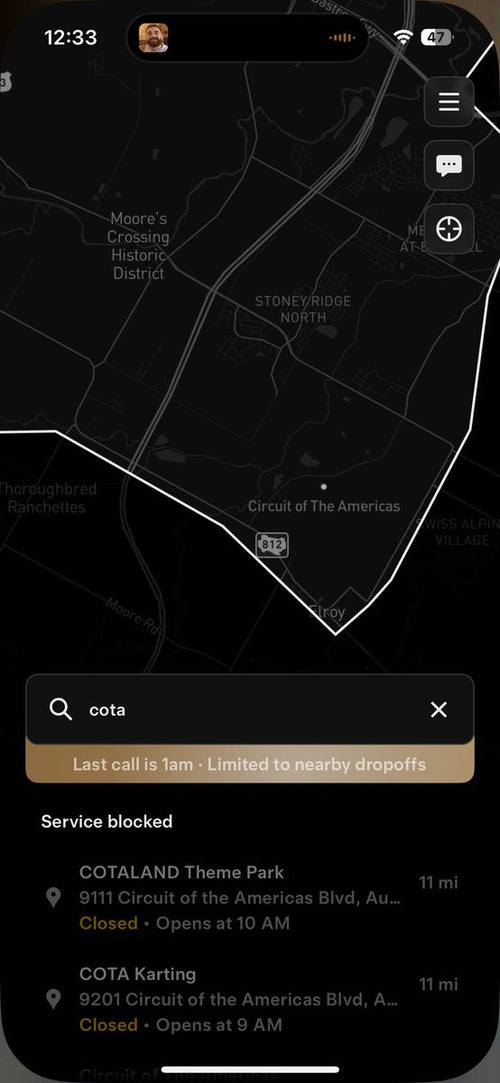
There's also a secondary read, flagged on X by Whole Mars Catalog: Tesla recently reintroduced audible turn signal sounds in a software update, a change that puzzled some owners. If NHTSA is actively rewriting turn signal rules for driverless cars, Tesla's current fleet behavior may be positioning for a world where turn signals are triggered automatically by the vehicle's own driving stack rather than by a human stalk — making the audible cue a UX element rather than a mechanical feedback loop.
What to Watch Next
The proposed rules now enter a public comment period before they can be finalized. Historically, NHTSA rulemakings of this complexity have taken six to eighteen months to move from proposal to final rule. The pace at which the agency has stacked proposals through 2026, however, suggests an administration deliberately clearing a runway rather than inching toward one. Tesla's own Cybercab production timeline — which Musk has reiterated targets 2026 — will serve as a natural pressure point on the final rule schedule. Expect industry comments from Waymo, Zoox, GM Cruise successor programs, and traditional automakers in the weeks ahead.
🚕 Following the Robotaxi rollout? See every operating city, launch date and announced market in our Tesla Robotaxi Tracker.
Related Gear
Gear up your Tesla with tested, custom-fit BASENOR accessories — shop Tesla accessories →
Sources & reporting notes
The links below identify the material source records used for this report.
- @SawyerMerritt on X (2026-10-23T15:26:07.000Z) — Direct source
- @SawyerMerritt on X (2026-10-23T15:26:08.000Z) — Direct source
- @wholemars on X (2026-10-23T15:51:35.000Z) — Direct source
Source links are preserved as published or accessed. See our editorial standards and corrections policy.
The BASENOR Editorial Desk covers Tesla, SpaceX, and related technology, curating reporting from primary sources — official accounts, regulatory filings, and software release data. Every article passes source-record and fact-checking review before publication. About the newsroom.
This report was curated by the BASENOR Editorial Desk from the sources listed above. Read our editorial standards or email editorial@basenor.com to report an error.