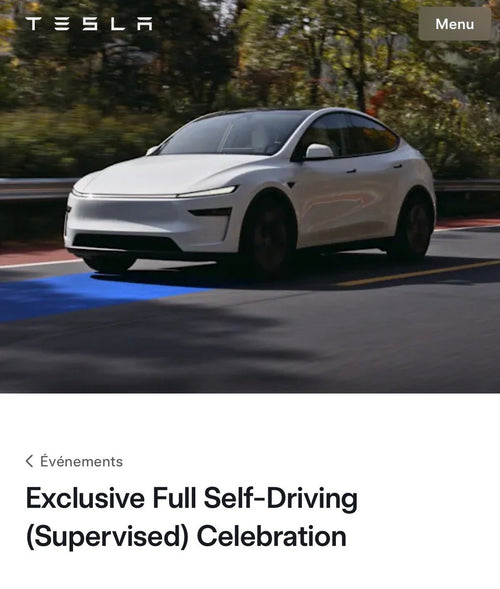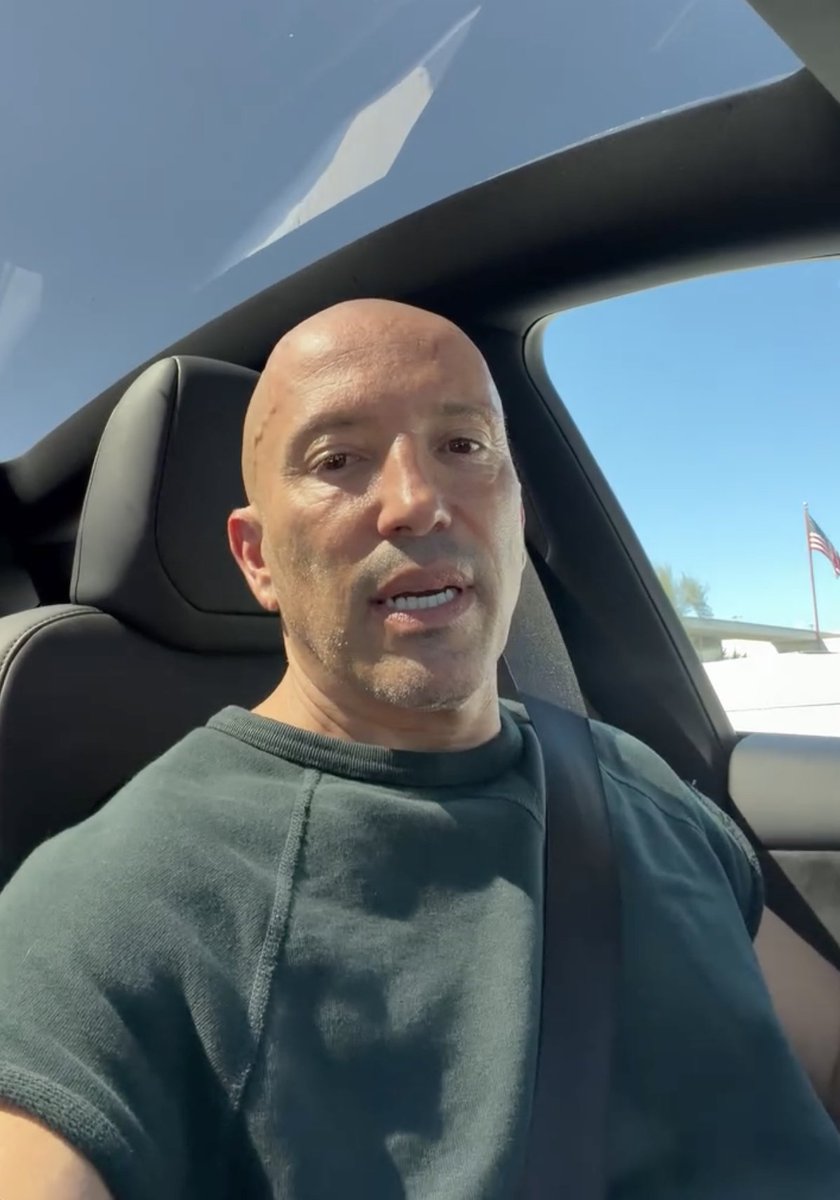
Jason Oppenheim, founder of the Oppenheim Group — the luxury real estate brokerage behind $5 billion-plus in sales and the Netflix series Selling Sunset — just made a very public statement about Tesla's Full Self-Driving technology. He sold his Bentley, bought a Model Y, and was so impressed that he's now purchasing Teslas for ten of his employees. His words: "This is the most important video I've ever posted. Tesla's self-driving is life-changing."
That's a notable data point. Not because one celebrity endorsement changes the trajectory of FSD, but because of what it represents: a high-profile, luxury-brand loyalist converting — and then immediately scaling that conviction across his organization. Here are the five angles worth paying attention to.

1. He Traded a Bentley — Not a Camry
The brand Oppenheim gave up matters. Bentley ownership is a statement: it signals that price is not a constraint and that the driving experience is the point. When someone in that bracket voluntarily downgrades on badge prestige, it means the product experience genuinely won them over. FSD didn't just compete with other EVs here — it competed with one of the most aspirational driving experiences money can buy, and apparently came out ahead on the dimension that mattered most to him: the day-to-day utility of not having to drive.
2. The Corporate Fleet Move Is the Real Story
Individual conversions happen. What's rarer is when a business owner immediately decides to replicate that experience for their team. Buying ten vehicles for employees is a procurement decision, not a fan moment — it involves budget approval, insurance considerations, and a belief that the technology is reliable enough to put in front of people whose time you're responsible for. That's a different level of conviction than posting a glowing review.
3. FSD Adoption Is Already Accelerating — This Fits a Larger Pattern
Oppenheim's move doesn't exist in isolation. According to verified data, Tesla's FSD (Supervised) had reached 1.48 million active users worldwide by the end of Q2 2026 — an increase of roughly 200,000 users in a single quarter, Tesla's largest quarterly gain to date. Separately, FSD adoption topped 55% of new vehicle deliveries in North America by September 2026, with paid subscriptions growing 56% year-over-year. High-profile public endorsements from people outside the traditional tech-enthusiast demographic are consistent with a product crossing into mainstream awareness.

4. "Life-Changing" Is a Specific Claim Worth Unpacking
Oppenheim didn't call FSD "impressive" or "convenient" — he called it life-changing and described his endorsement video as the most important he's ever posted. That language points to the commute-and-cognitive-load argument that Tesla has been making for years: FSD doesn't just drive the car, it returns mental bandwidth. For someone running a high-volume luxury brokerage, time and attention are the scarcest resources. If FSD meaningfully reduces the cognitive cost of getting between listings, that's a productivity argument, not just a tech novelty. It's worth noting that FSD remains a supervised driver assistance system — it does not provide fully autonomous operation — but the user experience is clearly resonating even within those constraints.

5. Real Estate Is a Sector Tesla Has Largely Ignored in Its Marketing
Tesla's early adopter base skewed heavily toward tech workers and engineers. Real estate — particularly the luxury end — runs on relationship capital, in-person meetings, and constant city-to-city movement. It's a sector where time-in-transit is a real cost, and where the person behind the wheel is often the most expensive resource in the car. If FSD is genuinely converting high-end real estate professionals at the point where they're buying fleets, that's a go-to-market signal that Tesla's word-of-mouth engine is reaching demographics it hasn't historically owned. Whether this becomes a broader trend in professional services is worth watching.
One endorsement doesn't make a trend. But when the person making it trades a Bentley to do it, calls the technology life-changing, and immediately backs that up with a ten-car purchase order, it's the kind of organic signal that no marketing budget reliably produces. The question now is whether Tesla's sales and fleet teams are set up to capture the corporate interest that moments like this generate — because the window between a viral endorsement and a buying decision is short.
Related Gear
Gear up your Model Y with tested, custom-fit BASENOR accessories — shop Model Y accessories →
Sources & reporting notes
The links below identify the material source records used for this report.
- @SawyerMerritt on X (2026-10-03T21:30:45.000Z) — Direct source
Source links are preserved as published or accessed. See our editorial standards and corrections policy.
The BASENOR Editorial Desk covers Tesla, SpaceX, and related technology, curating reporting from primary sources — official accounts, regulatory filings, and software release data. Every article passes source-record and fact-checking review before publication. About the newsroom.
This report was curated by the BASENOR Editorial Desk from the sources listed above. Read our editorial standards or email editorial@basenor.com to report an error.