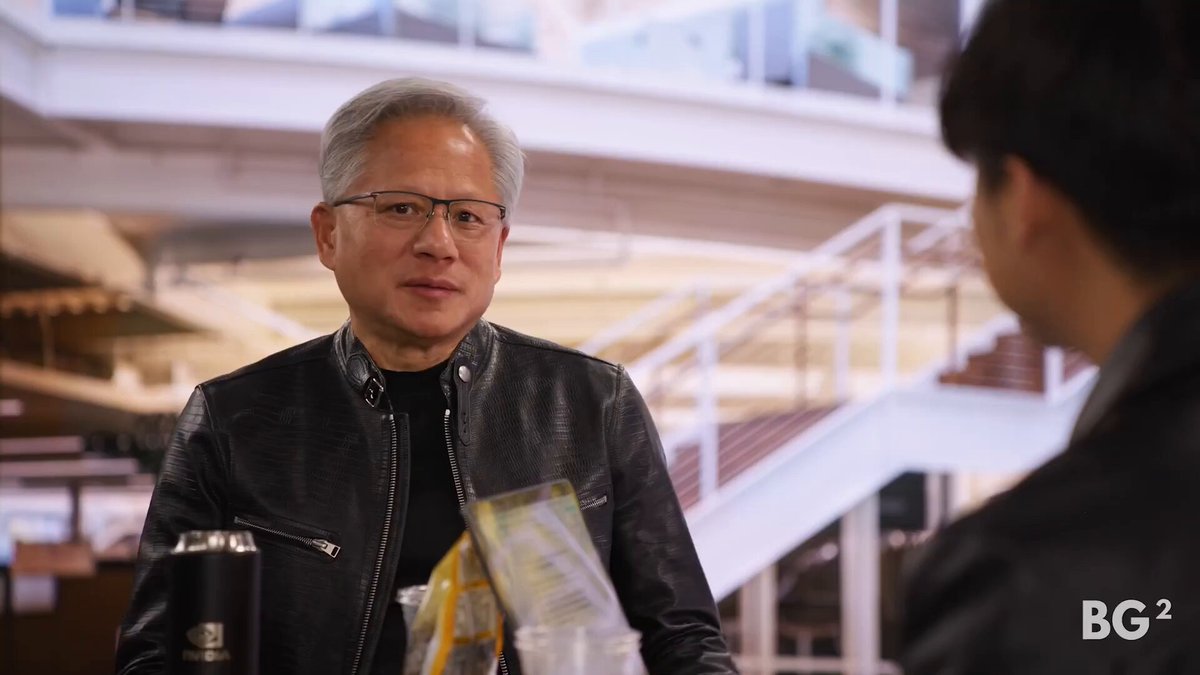
Elon Musk confirmed Wednesday that the Star Mind computer, a space-grade AI system being co-engineered by SpaceX and Nvidia, is performing well beyond internal expectations and is on track for volume production in 2027. In a post on X, Musk credited Nvidia CEO Jensen Huang and the Nvidia engineering team directly, framing the collaboration as one of the most consequential hardware partnerships in SpaceX's history.
The announcement is the clearest public signal yet that SpaceX's push into orbital AI data centers — a project first teased in August 2026 — is on schedule and ahead of performance targets. For Tesla and SpaceX followers, it also reinforces how deeply Musk's AI ambitions now depend on Nvidia silicon, not just in Tesla's terrestrial training clusters but in orbit as well.

What Musk Actually Said
Musk's language was deliberate. He said the Star Mind computer is "far better than almost anyone expects" and will "reach volume production next year" — meaning 2027. He also called working with Nvidia's engineering team "pure joy" and singled out Huang personally. In SpaceX communications, that kind of named endorsement typically correlates with a program that has cleared major technical hurdles and is moving from prototype to industrialization.
The partnership itself is not new. SpaceX first announced the collaboration on X on August 4, 2026, and Nvidia confirmed SpaceX's adoption of its hardware on August 24, according to reporting from Teslarati and Engadget. What is new is the production commitment: Musk is now publicly tying his name to a 2027 volume ramp.
Inside the Hardware
Based on specifications verified through multiple sources including Teslarati and Engadget, Star Mind is not an off-the-shelf satellite computer. It is effectively a Nvidia data-center rack adapted for orbit.
| Component | Specification |
|---|---|
| CPUs per satellite | 36 Nvidia Vera |
| GPUs per satellite | 72 Nvidia Rubin |
| Interconnect | NVLink 6, 260 TB/s all-to-all fabric |
| Networking | ConnectX-9 SuperNICs, BlueField-4 DPUs |
| Rack system | Space-optimized Vera Rubin NVL72 |
| Design power (AI1 prototype) | 150 kW per satellite |
| Average computing power | Up to 175 kW |
| Rack weight (terrestrial equivalent) | ~1.3 metric tons |
According to reporting from Engadget and Teslarati, each Starmind satellite is essentially a full NVL72-equivalent system flying through low Earth orbit. For context, a single NVL72 rack is one of the most powerful AI training nodes Nvidia currently sells on the ground. Putting one in space — with the thermal, radiation, and power challenges that implies — is the engineering problem the two companies have been quietly solving for the past 14 months.
How We Got Here
The Star Mind program is the computing payload for SpaceX's broader orbital AI vision. According to filings SpaceX has made with the Federal Communications Commission, the company has proposed a megaconstellation of up to 1 million Starmind satellites. The spacecraft bus itself is adapted from the V3 Starlink platform, with the communications payload swapped for Nvidia compute hardware and additional solar generation capacity to feed the power-hungry GPUs.
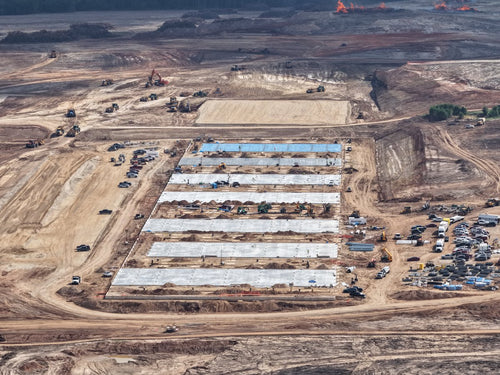
Manufacturing is slated to happen at a new SpaceX facility called Gigasat, located in Bastrop, Texas — the same region where Starlink terminals and other SpaceX hardware are already produced. Teslarati reports volume production is targeted for late 2027, aligning with Musk's statement today.
Timeline
- August 4, 2026: SpaceX publicly announces the partnership on X.
- August 24, 2026: Nvidia confirms SpaceX's adoption of Vera Rubin hardware.
- October 15, 2026 (today): Musk confirms the system is exceeding expectations and reaffirms the production timeline.
- Late 2027: Volume production begins at Gigasat in Bastrop, Texas.
- Q4 2027: First Starmind AI1 satellites expected to launch.
- 2028: Significant scale deployment of the orbital computing network targeted.
Why Nvidia Won This Deal
SpaceX has committed to building its AI infrastructure exclusively on Nvidia hardware, both terrestrially and in orbit, according to Teslarati. That is a notable choice given that Musk's other companies — Tesla with Dojo, and xAI with its custom Colossus training clusters — have at various points pursued more vertically integrated silicon strategies. For the Star Mind program specifically, the physics are unforgiving: SpaceX needs maximum FLOPS per watt per kilogram, and Nvidia's Vera Rubin generation is currently the benchmark the rest of the industry is trying to catch.
Musk's "pure joy" line about working with the Nvidia engineering team should also be read as a signal to the market. Jensen Huang and Musk have been public collaborators for over a decade, going back to the original Nvidia hardware in early Tesla Autopilot vehicles. Today's post is a reminder that the relationship is not just intact but accelerating.
What It Means for Tesla and SpaceX Followers
For Tesla owners, there is no direct impact on your vehicle today. Star Mind is a SpaceX program, not a Tesla product. But the underlying story matters for anyone watching Musk's AI stack: the same Vera and Rubin generation of Nvidia silicon that will fly on Starmind satellites is also what xAI and Tesla are deploying on the ground to train Full Self-Driving and Optimus models. A successful Star Mind ramp in 2027 would validate that supply chain at an entirely new scale.
It also reframes what "space infrastructure" means. If SpaceX delivers even a fraction of the 1-million-satellite megaconstellation it has proposed to the FCC, Starmind would become the largest distributed AI compute platform ever built — and it would live in orbit, not in a Virginia data center.
What to Watch Next
- Nvidia GTC 2027: Expect joint announcements and likely a hardware demo of the space-adapted NVL72.
- FCC Starmind filings: Watch for updated spectrum and orbital shell approvals as SpaceX moves from proposal to deployment.
- Gigasat construction progress: The Bastrop facility needs to be operational well before the late-2027 volume target.
- Starship cadence: Launching NVL72-class payloads at scale will require sustained Starship flight rates — the Star Mind timeline is effectively a Starship timeline.
Frequently Asked Questions
What is the Star Mind computer?
Star Mind is a space-grade AI computing system co-engineered by SpaceX and Nvidia. It integrates Nvidia's Vera CPUs and Rubin GPUs into a modified NVL72 rackscale system designed to operate on SpaceX Starmind satellites in low Earth orbit.
When will it be in production?
Elon Musk confirmed on October 15, 2026 that volume production is targeted for 2027. Manufacturing will take place at SpaceX's new Gigasat facility in Bastrop, Texas, with first prototype launches expected in Q4 2027.
How powerful is each satellite?
Each Starmind satellite is designed to carry 36 Vera CPUs and 72 Rubin GPUs — equivalent to a full Nvidia NVL72 rack. The AI1 prototype has a documented design power of 150 kW, with average computing power rated up to 175 kW per satellite, according to Engadget and Teslarati.
Does this affect Tesla vehicles?
Not directly. Star Mind is a SpaceX program focused on orbital AI data centers. However, it uses the same Nvidia Vera Rubin generation of silicon that xAI and Tesla are deploying on the ground, so a successful ramp strengthens the broader Musk-company AI supply chain.
Is SpaceX using any other AI hardware?
No. According to Teslarati, SpaceX has committed to building its AI infrastructure exclusively on Nvidia hardware, both for terrestrial and orbital applications. Star Mind is the orbital expression of that commitment.
Today's post from Musk doesn't change the Star Mind roadmap — but it does raise the stakes. SpaceX is now publicly on the hook for a 2027 volume ramp of what is arguably the most ambitious space hardware program since Starship itself. The next 14 months at Bastrop will tell us whether this is the moment orbital AI stops being a slide in a keynote and becomes a line item in a launch manifest.
🚀 Following the Starship program? See every test flight, official outcome and the next launch window in our SpaceX Starship Tracker.
Related Gear
Gear up your Tesla with tested, custom-fit BASENOR accessories — shop Tesla accessories →
Sources & reporting notes
The links below identify the material source records used for this report.
- @elonmusk on X (2026-10-15T17:48:38.000Z) — Direct source
Source links are preserved as published or accessed. See our editorial standards and corrections policy.
The BASENOR Editorial Desk covers Tesla, SpaceX, and related technology, curating reporting from primary sources — official accounts, regulatory filings, and software release data. Every article passes source-record and fact-checking review before publication. About the newsroom.
This report was curated by the BASENOR Editorial Desk from the sources listed above. Read our editorial standards or email editorial@basenor.com to report an error.