Starlink confirmed on November 9, 2026 that its high-speed satellite internet is now live on Brussels Airlines flights — the latest European carrier to join SpaceX's growing in-flight connectivity network. But the announcement is bigger than one airline. It's the visible start of a 850-aircraft rollout across the entire Lufthansa Group, and the details around access, cost, and timeline are worth unpacking.


1. The First Flight Has Already Happened
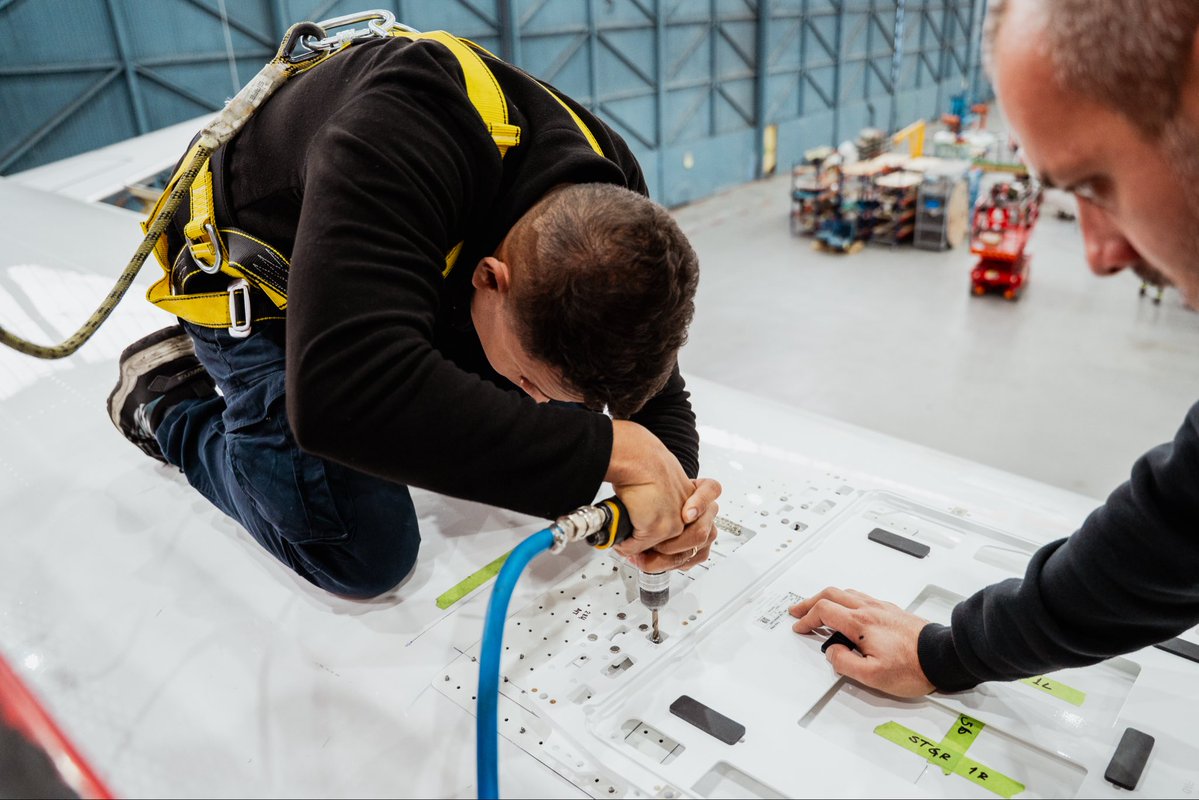
The inaugural Starlink-equipped Brussels Airlines service was flight SN2257, operated by an Airbus A320neo (registration OO-SBA), departing Brussels for Copenhagen on November 9. That means this isn't a future launch date — it's live today. Passengers on equipped aircraft can connect right now, assuming their flight is on one of the planes already fitted with the hardware.
2. It's Free — With One Catch
According to Brussels Airlines, the high-speed Wi-Fi is provided at no charge to all passengers regardless of travel class. The catch: you need either a Lufthansa Group Travel ID or a Miles & More frequent flyer account to access it. If you fly Lufthansa Group carriers regularly, you likely already have one. If not, signing up before your next Brussels Airlines flight takes a few minutes and unlocks the service.
3. Only 15 Aircraft Are Equipped Right Now
Brussels Airlines plans to have 15 aircraft fitted with Starlink hardware by the first half of 2027. The airline operates a fleet of roughly 40 aircraft, so coverage will be partial for the next several months. There's currently no published list of which specific tail numbers are equipped, which means connectivity on any given flight isn't guaranteed until the rollout completes.
4. This Is Part of Europe's Largest Starlink Aviation Deal
Brussels Airlines isn't acting alone — it's one piece of a Lufthansa Group-wide agreement announced in January 2026 that covers approximately 850 aircraft across all Group carriers. According to background research, this makes Lufthansa Group the largest airline group in Europe to implement Starlink. The full Group-wide rollout is targeted for completion by the end of 2029, with Brussels Airlines serving as one of the earlier deployments within that program.
5. What You Can (and Can't) Do Onboard
The service is built for real work and entertainment — streaming video, cloud applications, and general browsing at speeds that prior in-flight Wi-Fi systems couldn't reliably support. However, Brussels Airlines has set clear usage rules: headphones are required for any audio or video content, and voice calls, video calls, and live streaming are prohibited. The restrictions are designed to keep the cabin environment comfortable, not a technical limitation of the Starlink hardware itself.

The broader question now is pace. Lufthansa Group has committed to 850 aircraft by 2029, but the Brussels Airlines launch shows the program is moving on schedule. As more Group carriers come online — and as rival European airlines weigh their own connectivity upgrades — Starlink's aviation footprint is quietly becoming one of its most consequential growth vectors outside of residential broadband. For more on Starlink's expanding reach, see our SpaceX coverage.
Sources & reporting notes
The links below identify the material source records used for this report.
- @Starlink on X (2026-11-09T15:46:40.000Z) — Direct source
Source links are preserved as published or accessed. See our editorial standards and corrections policy.
The BASENOR Editorial Desk covers Tesla, SpaceX, and related technology, curating reporting from primary sources — official accounts, regulatory filings, and software release data. Every article passes source-record and fact-checking review before publication. About the newsroom.
This report was curated by the BASENOR Editorial Desk from the sources listed above. Read our editorial standards or email editorial@basenor.com to report an error.