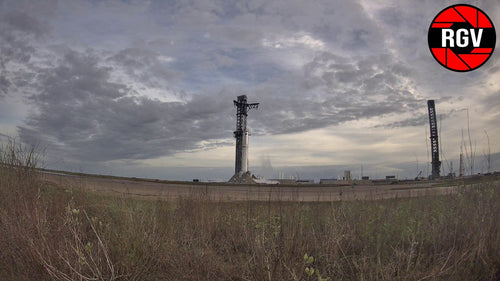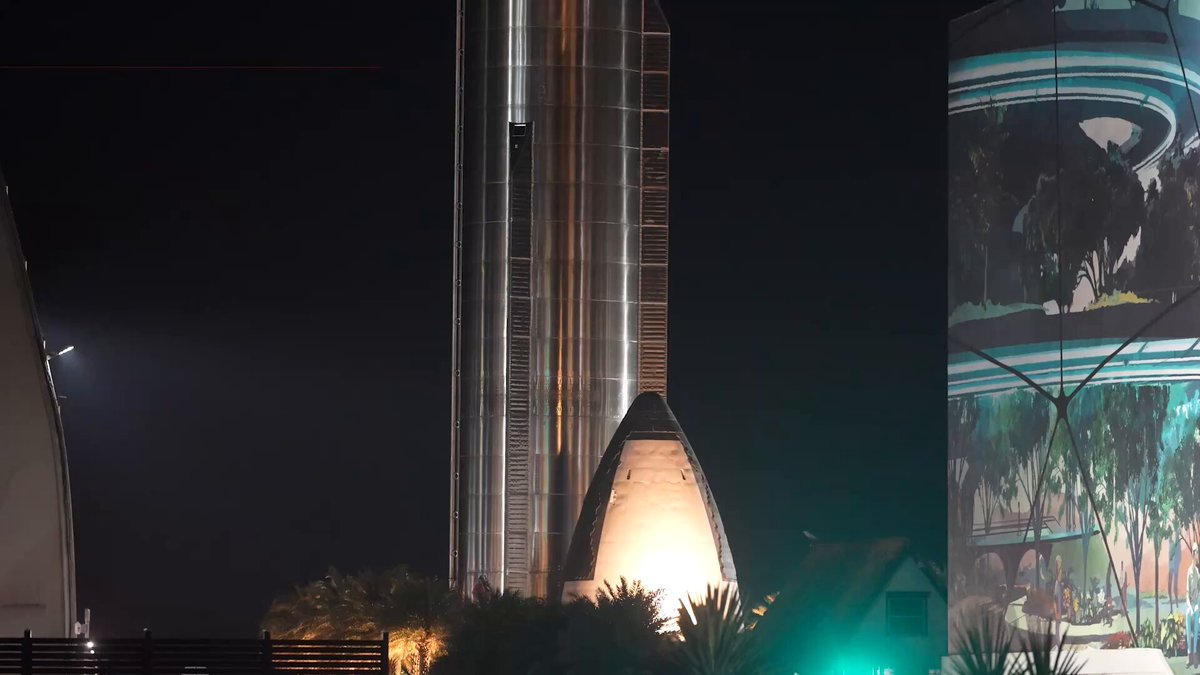
SpaceX is no longer treating Starship as a one-flight-at-a-time test program. According to NASASpaceflight, two complete flight stacks — boosters and ships — are now being readied in parallel for Flights 14 and 15, with Flight 14 targeting a launch no earlier than September 15. That kind of simultaneous preparation signals a fundamental shift in how SpaceX is operating Starbase.

1. Flight 14 Has a Target Date — and Real Payload
According to FCC filings and air traffic management planning guides, Flight 14 is tentatively targeting no earlier than September 15, 2026. This isn't a test article mission: Ship 41 is slated to deploy approximately 20 operational Starlink V3 satellites into orbit — real communication satellites that will join the active constellation. SpaceX filed for Special Temporary Authority from the FCC on August 31 to transmit with those satellites, requesting approval by September 15. That filing alone tells you how seriously the company is treating this launch window.
2. Both Vehicles Have Completed Their Pre-Launch Campaigns
Super Heavy Booster 21 completed a full-duration static fire on August 28, 2026. Ship 41 ran a six-engine static fire on August 21, following cryogenic proof testing back in June. Flight Termination System installation for both vehicles was underway or completed as of early September. In short, the hardware is done — what remains is regulatory sign-off and the final countdown. That's a meaningfully different position than where SpaceX stood ahead of earlier flights, where hardware delays were the primary bottleneck.
3. Recovery Plans Are Deliberately Conservative
Booster 21 is planned for a controlled splashdown in the Gulf of Mexico — no tower catch attempt. Ship 41 is targeting a splashdown in the Indian Ocean, with a tower catch deferred to a later mission. That's a deliberate choice: with an orbital trajectory and live Starlink payload on board, SpaceX appears to be prioritizing mission success over recovery hardware milestones. Catching the booster can wait; getting 20 satellites into orbit on time cannot.
4. Flight 15 Hardware Is Already in Motion
While Flight 14 hardware is ready to fly, Ship 42 and Booster 22 are already progressing through their own test campaigns for Flight 15. According to NASASpaceflight, this parallel stack preparation is being described as a sign of future operations — not a one-off scheduling coincidence. Ship 42 has completed cryogenic proof testing. The fact that Flight 15 components are moving through the pipeline before Flight 14 has even launched is the clearest evidence yet that SpaceX is treating Starship like a production launch vehicle rather than an experimental prototype.
5. SpaceX Is Targeting More Than 25 Starship Launches in 2026
The parallel preparation cadence makes more sense when you consider the stated target: over 25 Starship launches across 2026, spanning test flights, orbital demonstrations, and Starlink deployments. That figure would exceed the total annual orbital launch count of the entire world from the 1990s — achieved by a single vehicle type from a single launch site. Whether SpaceX hits that number or not, the infrastructure decisions being made right now at Starbase — two stacks moving simultaneously, FCC filings timed to launch windows, operational payloads on early flights — reflect a program that has moved past the experimental phase and into something that looks a lot more like a launch cadence. For our SpaceX coverage, this is the inflection point worth watching.
🚀 Following the Starship program? See every test flight, official outcome and the next launch window in our SpaceX Starship Tracker.
Sources & reporting notes
The links below identify the material source records used for this report.
- @NASASpaceflight on X (2026-09-10T00:24:49.000Z) — Direct source
Source links are preserved as published or accessed. See our editorial standards and corrections policy.
The BASENOR Editorial Desk covers Tesla, SpaceX, and related technology, curating reporting from primary sources — official accounts, regulatory filings, and software release data. Every article passes source-record and fact-checking review before publication. About the newsroom.
This report was curated by the BASENOR Editorial Desk from the sources listed above. Read our editorial standards or email editorial@basenor.com to report an error.