Tesla has begun emailing early Model 3 Rear-Wheel Drive customers in Canada, asking them to formally review and accept a set of significant specification changes that were made after their orders were placed. The changes affect acceleration, peak charging speed, and battery warranty coverage — and they are not minor tweaks. If you ordered a Model 3 RWD in Canada after the May 1 launch, here is everything you need to know before you click accept.

What Changed — and By How Much
The gap between what was advertised at launch and what Tesla is now delivering is substantial. According to verified reporting and Tesla's own updated Canadian website, three core specifications have been revised since the Model 3 RWD went on sale on May 1, 2026:
| Specification | At Launch (May 1) | Current (May 28) | Change |
|---|---|---|---|
| 0–100 km/h | 4.2 s | 6.2 s | +2.0 s slower |
| Peak DC Charging | 250 kW | 175 kW | −75 kW (−30%) |
| Battery Warranty | 8 yr / 192,000 km | 8 yr / 160,000 km | −32,000 km |
These changes did not happen all at once. According to multiple verified reports, the acceleration figure was first revised from 4.2s to 5.2s around May 3 — Tesla attributed the original number to a "website error" — then downgraded again to 6.2s around May 19. The charging speed and warranty reductions followed around May 8.
Why Tesla Changed the Specs
The root cause is a supply chain shift. According to reporting from Tesla North and other outlets, Tesla is now supplying the Canadian market with Model 3 units built at its Shanghai Gigafactory rather than its California facility. The Shanghai-built cars use a different drivetrain configuration:
- 3D7 rear motor — rated at 194 kW and 340 Nm of torque
- Lithium Iron Phosphate (LFP) battery pack — which charges at lower peak rates than the NMC chemistry used in California-built models
By comparison, the California-made Model 3 used a 3D6 motor rated at 220 kW and 440 Nm. The performance gap between those two motors largely explains the acceleration difference. LFP chemistry is well-established in Tesla's lineup — it is durable and handles frequent full charges well — but it does not support the same peak DC charging speeds as NMC packs.
Tesla has not made a public announcement about the sourcing change or the specification revisions. Customers who contacted Tesla support were told the original specs were "website errors" that have since been corrected.
Action Plan for Affected Customers
If you placed an early Model 3 RWD order in Canada, here is what to do before responding to Tesla's email:
- Do not accept immediately. Once you accept the revised specifications, you are formally agreeing to the downgraded vehicle. Take time to review the full email carefully.
- Document everything. Screenshot or save the original order confirmation, any previous emails from Tesla, and the current notification. This paper trail matters if you pursue a refund or dispute.
- Contact Tesla directly before accepting. Some customers who raised concerns have reportedly been offered goodwill gestures — including free Supercharging for a month or complimentary Full Self-Driving (FSD) for a few months. These offers are not guaranteed, but it is worth asking before you sign off.
- Know your cancellation rights. If the vehicle you are being asked to accept materially differs from what you ordered, you may have grounds to cancel and receive a full deposit refund. Canadian consumer protection rules vary by province — consult your provincial consumer protection office or a legal advisor if needed.
- Check the current Tesla Canada website. Confirm that the specifications listed for your configuration match what is in the notification email. The official specs as of May 28 are: 6.2s 0–100 km/h, 175 kW peak charging, 463 km EPA-estimated range, and an 8-year / 160,000 km battery and drive unit warranty.
- Decide based on your priorities. The range figure (463 km) has not changed. If long-distance road trips are your primary use case, the reduced charging speed will add time at Superchargers. If city driving dominates, the LFP pack's tolerance for regular top-ups may actually suit your needs well.
What Has Not Changed
Not every specification was downgraded. The EPA-estimated range of 463 km remains unchanged from launch. The starting price of $39,490 CAD has also not been revised upward. The basic vehicle warranty (4 years / 80,000 km) remains in place. For buyers who prioritize range and value over outright acceleration or fast charging, the core proposition is still intact — but the vehicle being delivered is meaningfully different from what many customers thought they were ordering.
The bigger question hanging over this situation is transparency. Tesla's pattern of quietly revising specifications on its website — without proactive customer notification until now — has frustrated early adopters who made purchasing decisions based on the original numbers. Whether the company offers broader compensation beyond individual goodwill gestures remains to be seen.
Related Gear
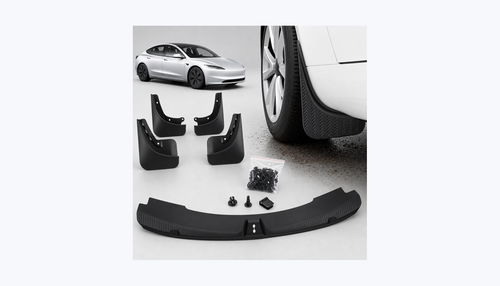
Gear up your Model 3 with tested, custom-fit BASENOR accessories — shop Model 3 accessories →
Sources & reporting notes
The links below identify the material source records used for this report.
- @TeslaNewswire on X (2026-05-28T06:24:10.000Z) — Direct source
Source links are preserved as published or accessed. See our editorial standards and corrections policy.
The BASENOR Editorial Desk covers Tesla, SpaceX, and related technology, curating reporting from primary sources — official accounts, regulatory filings, and software release data. Every article passes source-record and fact-checking review before publication. About the newsroom.
This report was curated by the BASENOR Editorial Desk from the sources listed above. Read our editorial standards or email editorial@basenor.com to report an error.