Tesla's official Charging account dropped a no-nonsense Q&A thread this week, tackling the five questions that keep prospective and current owners up at night. Whether it's range anxiety, battery longevity, or the cost of going electric versus filling up at the pump — here's a straight-talk breakdown of what Tesla actually said, plus the verified numbers behind each answer.

Doesn't charging a Tesla take forever?
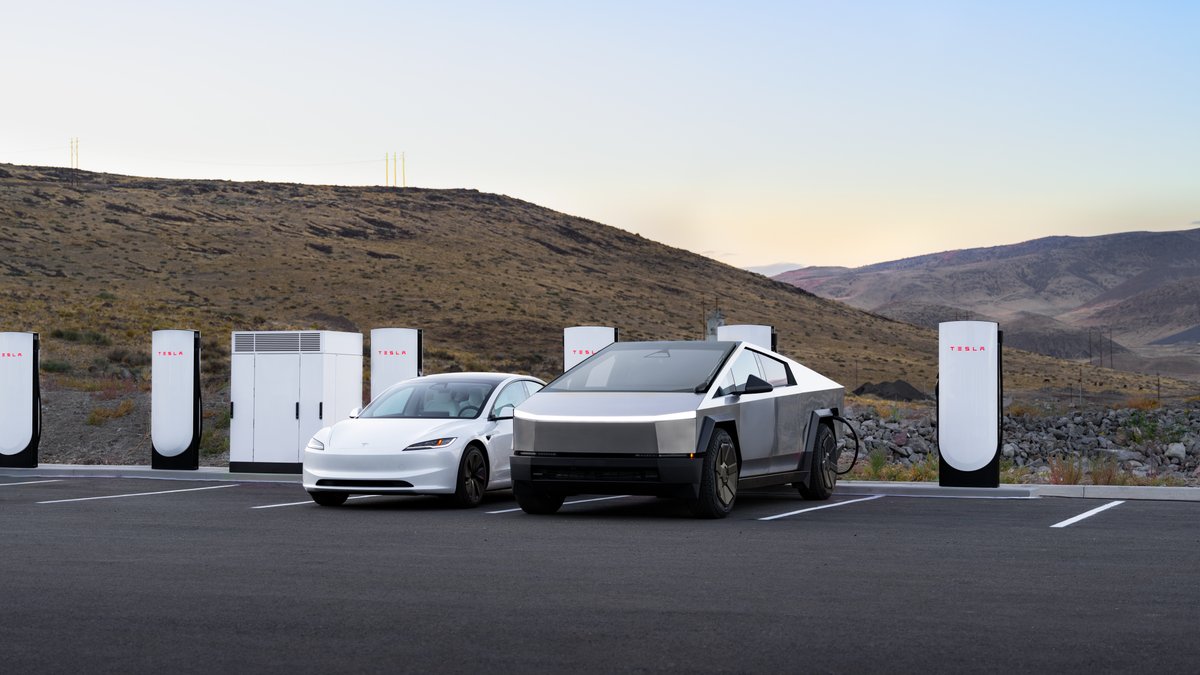
For the vast majority of charging — roughly 75%, according to Tesla — you're not waiting at all. You plug in at home overnight or at work, and you leave with a full battery. The "waiting" framing only applies to road trips, and even then it's shrinking fast. V4 Superchargers, now ramping production, support up to 500 kW per stall and can add up to 200 miles of range in around 15 minutes. That's a coffee stop, not a delay. The Supercharger network has surpassed 80,000 stalls globally, with 37,428 ports across 3,088 stations in the U.S. alone — representing 52% of all DC fast-charging ports in the country.

Do you need an expensive special home charger installed?
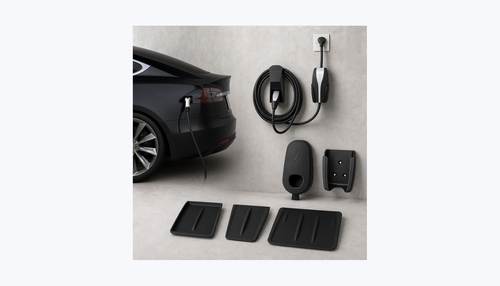
No — and this is one of the most persistent myths in the EV space. Tesla's Mobile Connector ($300) plugs straight into a standard 120V household outlet and adds 2–3 miles of range per hour, which is plenty for anyone driving under 40 miles a day. If you have a 240V outlet (the kind your dryer uses), that jumps to 15–65 miles per hour. A Tesla Wall Connector runs about $450 for the hardware, with typical all-in installation costs of $1,200–$2,000 covering labor, materials, and permits. Complex installs requiring a panel upgrade can push past $3,500, but those are the exception. Worth noting: a 30% federal tax credit (up to $1,000) for EV charging equipment is available for installations completed by June 30, 2026 — so timing matters if you're on the fence. And no, you don't need a garage. Teslas are designed for outdoor charging.

Does Supercharging ruin your battery or shorten its life?
Tesla's answer is direct: no, not if you're using the car normally. The Battery Management System (BMS) combined with thermal management and active cooling is specifically engineered to handle frequent fast charging. Real-world data from 2026 Model Y owners shows roughly 1% degradation after 16,000 miles even with frequent DC fast charging. Tesla's 2026 Impact Report puts Model S/X battery capacity retention at 88% after 200,000 miles. That said, best practices still apply: keep your daily charge limit around 80%, avoid sitting at 0% or 100% for extended periods, and use home charging as your primary method. In March 2026, Tesla also added a Battery Health display (Controls > Service > Battery Health) to 2022+ models so you can monitor energy retention directly in the car.

Isn't charging more expensive than filling up with gas?
Home charging costs roughly $0.04–$0.06 per mile at the average U.S. residential electricity rate of $0.17/kWh — translating to about $10–$16 for a full charge, or $500–$750 per year for typical driving. Tesla puts the savings at at least 50% per mile compared to gasoline, and more if you're on off-peak rates or have rooftop solar. Supercharging is more expensive than home charging (typically $0.25–$0.50/kWh in the U.S.), but even factoring in occasional public charging, most owners save an estimated $1,500–$2,000 annually versus a comparable gas vehicle. The math isn't close.

What if I get stranded somewhere remote?
Tesla claims Supercharger coverage across 99%+ of all major highways, with real-time stall availability visible in the app — including 24/7 access. With over 3,000 stations in the U.S. and the network continuing to expand, the stranded-in-the-middle-of-nowhere scenario is increasingly a relic of early EV anxiety rather than a genuine operational risk. Route planning is built directly into Tesla's navigation, which automatically factors in charging stops and adjusts for weather and driving conditions. The app also shows live stall availability so you're never guessing when you pull in.
Most of the charging anxiety around EVs is rooted in the experience of early adopters from five or more years ago. The infrastructure, the technology, and the real-world data have all moved on. If you're still on the fence about any of these questions, the numbers above are the honest answer — and they come straight from Tesla's own published thread and verified sources.
Related Gear
Gear up your Tesla with tested, custom-fit BASENOR accessories — shop Tesla accessories →
Sources & reporting notes
The links below identify the material source records used for this report.
- @TeslaCharging on X (2026-06-27T04:12:18.000Z) — Direct source
- @TeslaCharging on X (2026-06-27T04:13:00.000Z) — Direct source
- @TeslaCharging on X (2026-06-27T04:13:42.000Z) — Direct source
- @TeslaCharging on X (2026-06-27T04:14:22.000Z) — Direct source
- @TeslaCharging on X (2026-06-27T04:14:56.000Z) — Direct source
Source links are preserved as published or accessed. See our editorial standards and corrections policy.
The BASENOR Editorial Desk covers Tesla, SpaceX, and related technology, curating reporting from primary sources — official accounts, regulatory filings, and software release data. Every article passes source-record and fact-checking review before publication. About the newsroom.
This report was curated by the BASENOR Editorial Desk from the sources listed above. Read our editorial standards or email editorial@basenor.com to report an error.