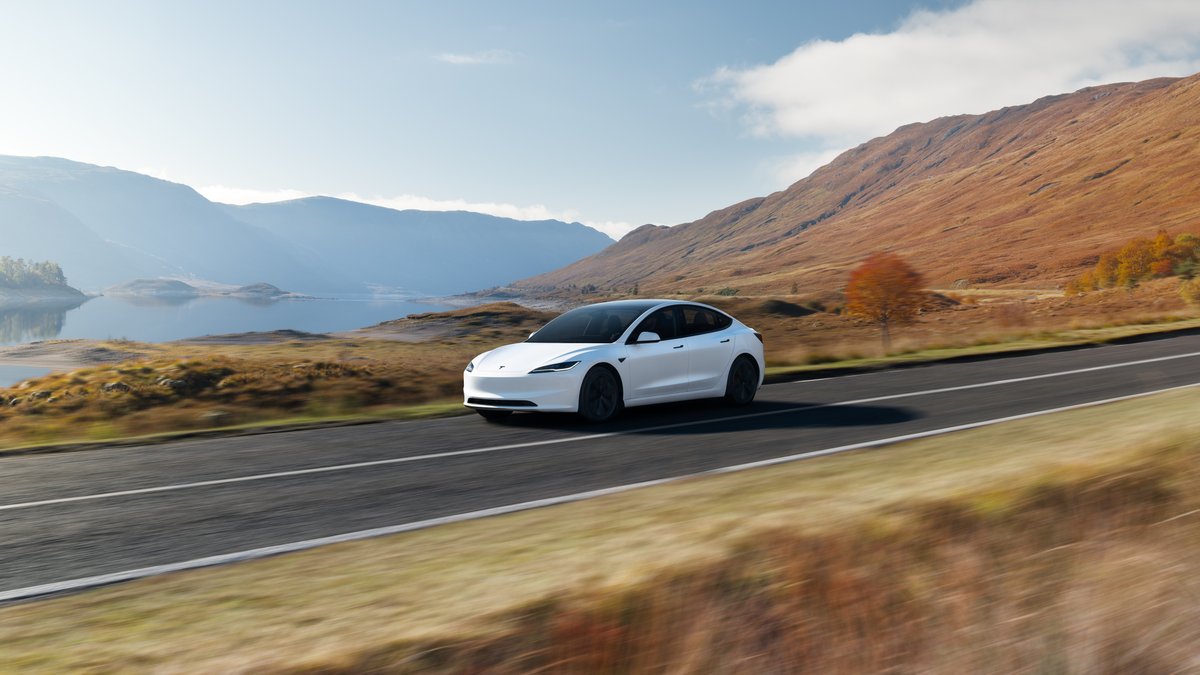
The News: Tesla's Model 3 and Model Y claimed the top two spots for used EV sales in Australia in March 2026, as the country's used EV market surged 138% from February.
Why It Matters: Soaring fuel costs are pushing cost-conscious Australians toward EVs — and Tesla is the brand they're choosing. Used Tesla prices are already rising as supply tightens.
Source: @SawyerMerritt on X
Tesla Model 3 and Model Y Dominate Australia's Used EV Market as Sales Surge 138% in March 2026
Australia's used electric vehicle market just posted one of its biggest monthly leaps on record — and Tesla is sitting squarely at the top. The Model 3 and Model Y were the two bestselling used EVs in the country during March 2026, according to market data shared by Tesla analyst Sawyer Merritt, as cost-conscious Australians increasingly abandon petrol and diesel in favour of cheaper-to-run alternatives.

📊 Key Figures
| Metric | Value | Context |
|---|---|---|
| Used EVs sold in March 2026 | 7,557 | Up from 3,176 in February |
| Month-over-month sales growth | +138% | One of the largest monthly jumps on record |
| Used EV stock days of supply | 28.6 days | Stock down 38% in March |
| Used Model Y price change (late March) | +6%+ | Per MotorMetrics live inventory data |
| Pickles auction used EV growth | +60% | vs. February 2026 |
| Model Y new BEV deliveries (March 2026) | 2,818 | #1 new BEV in Australia |
Why Australians Are Buying Used Teslas Right Now
The 138% month-over-month jump isn't a fluke — it reflects a structural shift in how Australians think about transport costs. With petrol prices remaining a persistent household pressure point, the total-cost-of-ownership argument for EVs is landing harder than ever. And when buyers look at the used EV market, they consistently land on Tesla.
The reason is straightforward: the Model 3 and Model Y have the largest installed base of any EVs in Australia, which means the most used inventory, the most owner reviews, and the most established service and charging infrastructure. Buying a used Tesla in Australia carries far less uncertainty than buying a used EV from a brand with a smaller footprint.
The supply picture, however, is tightening fast. Available used EV stock dropped 38% in March, leaving just 28.6 days of national supply. That's a seller's market — and prices are already responding. According to MotorMetrics' live inventory analysis, used Model Y prices rose more than 6% in just the final two weeks of March. Used Model 3 prices moved upward as well.
New Car Demand Reinforces the Pattern
The used market dominance doesn't exist in isolation. In the new BEV segment, the Model Y led all battery-electric vehicles in Australia with 2,818 deliveries in March 2026, and the Model 3 added another 667 sales. When a car tops both the new and used sales charts simultaneously, it signals genuine, broad-based consumer preference — not just a promotional blip.
Auction house Pickles reported 60% growth in used EV sales compared to February, a data point that underscores how quickly institutional channels are responding to demand. As more Australians enter the EV market through the used channel, Tesla's early-mover advantage in right-hand-drive markets like Australia continues to compound.
🔭 The BASENOR Take
Timeline: March 2026 data — current market conditions
Impact Level: 🟠 High — used Tesla prices are actively rising
Confidence: ⭐⭐⭐⭐⭐ — supported by multiple independent data sources (MotorMetrics, Pickles, AADA)
Analysis: Australia's used EV market is entering a supply crunch. Demand jumped 138% in a single month while inventory fell 38% — that's a textbook price-pressure scenario, and the 6%+ rise in used Model Y prices in just two weeks confirms it's already playing out. For current Tesla owners in Australia, this is actually good news: your vehicle's residual value is strengthening. For buyers looking to enter the used market, the window for pre-surge pricing has likely already closed. The smarter move now is either acting quickly or watching the new car market, where Model Y deliveries remain strong and pricing is more predictable. The broader signal here is that Tesla's brand equity in Australia is self-reinforcing — high new car sales create future used car supply, which sustains Tesla's dominance in the secondary market for years to come.
📰 Deep Dive
What makes March 2026 notable isn't just the headline number — it's the speed of the shift. A 138% month-over-month increase in used EV sales is the kind of data point that typically takes a full quarter to develop. The fact that it happened in a single month suggests a demand trigger: likely a combination of fuel price pressure, increased consumer awareness of EV running costs, and a growing pool of 2–4 year old Teslas entering the used market from early adopters upgrading to newer models.
The 28.6-day supply figure is particularly telling. Industry convention typically treats 45–60 days of supply as a balanced market. At 28.6 days, Australia's used EV market is operating well below that threshold — meaning dealers and private sellers hold significant pricing power. The 6% price increase for used Model Y units in just the last two weeks of March is a direct consequence of that imbalance.
For Tesla specifically, the dual dominance in new and used markets creates a virtuous cycle. Strong new car sales today become the used car inventory of 2027 and 2028. Australia's Supercharger network — now one of the most developed in the Asia-Pacific region — reduces range anxiety for used buyers who might otherwise hesitate. And Tesla's over-the-air update model means a three-year-old Model 3 or Model Y often runs software that's nearly as current as a new delivery, removing a key objection that plagues used ICE vehicle purchases.
The Pickles auction data adds another dimension: institutional buyers — fleet operators, rental companies, and dealers — are entering the used EV space at scale. A 60% jump in auction-house EV sales in a single month isn't driven by individual consumers alone. It suggests commercial operators are beginning to treat used Teslas as a viable fleet asset, which could sustain elevated demand well beyond a single month's fuel-price spike.
Related Gear
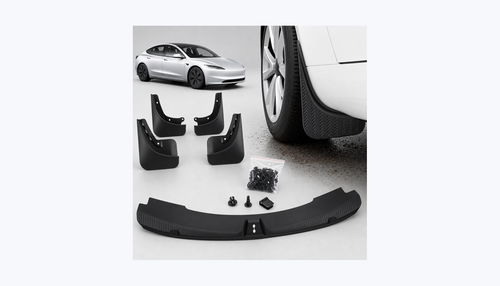
Gear up your Model 3 with tested, custom-fit BASENOR accessories — shop Model 3 accessories →
Sources & reporting notes
The links below identify the material source records used for this report.
- @SawyerMerritt on X (2026-04-14T19:31:17.000Z) — Direct source
Source links are preserved as published or accessed. See our editorial standards and corrections policy.
The BASENOR Editorial Desk covers Tesla, SpaceX, and related technology, curating reporting from primary sources — official accounts, regulatory filings, and software release data. Every article passes source-record and fact-checking review before publication. About the newsroom.
This report was curated by the BASENOR Editorial Desk from the sources listed above. Read our editorial standards or email editorial@basenor.com to report an error.