📌 UPDATE — May 12, 2026
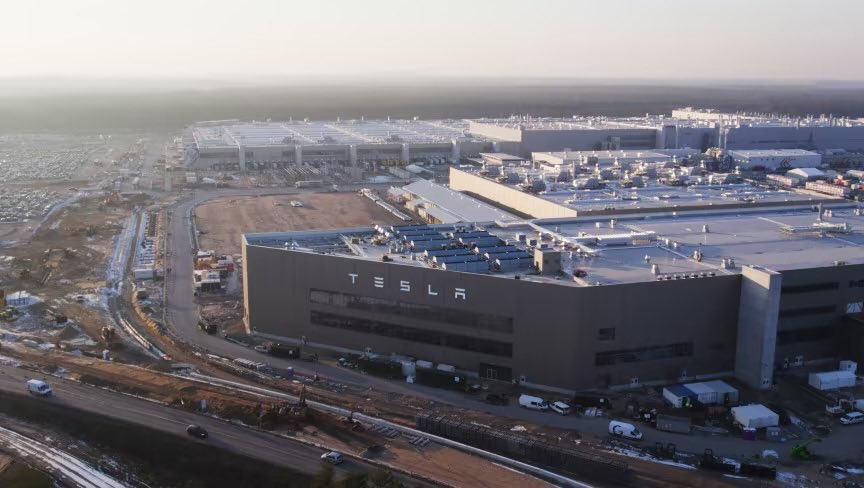
Giga Berlin has officially begun producing 4680 battery cells, confirming that the $250M expansion has moved from planning into active production. This marks a historic milestone for European EV manufacturing — no automaker has achieved this level of on-site vertical integration on the continent before. Tesla is now mining, refining, and assembling battery cells under one roof in Germany, dramatically shortening the supply chain for Model Y production in Europe.
@wholemars · May 12, 2026"4680 battery cells at Giga Berlin. Europe has never seen this kind of vertical integration of EV production."
View on X
Tesla has committed an additional $250 million to scale up 4680 battery cell production at Gigafactory Berlin, more than doubling the site's annual capacity target from 8 GWh to 18 GWh. The move pushes total battery investment at the Grünheide facility past €1 billion — a significant signal that Tesla is betting on vertical integration in Europe as a long-term competitive advantage.

From 8 GWh to 18 GWh — Why the Numbers Matter
The jump from 8 GWh to 18 GWh isn't just a capacity upgrade — it's a strategic repositioning. At 18 GWh annually, Giga Berlin's battery output would be sufficient to supply a meaningful share of European vehicle production without relying on cell imports from Asia or Nevada. For context, a single long-range Model Y carries roughly 75 kWh of usable capacity, meaning 18 GWh could theoretically cover the battery needs of roughly 240,000 vehicles per year from this one facility alone.

Key Figures
| Metric | Value |
|---|---|
| Additional investment | ~$250 million |
| Total battery investment at Giga Berlin | €1 billion+ (~$1.2B) |
| Previous annual capacity target | 8 GWh |
| New annual capacity target | 18 GWh |
| New jobs created | 1,500+ |
| Production start target | H1 2027 |
Vertical Integration — The Bigger Picture
The expansion is part of a deliberate push toward full vertical integration at the Grünheide site. According to verified reports, the goal is for Giga Berlin to produce both battery cells and complete vehicles under one roof by 2027 — a manufacturing model Tesla has long pursued but is now executing at scale in Europe. Tesla has already begun recruiting for the 1,500-plus additional roles the expanded battery operation will require, suggesting the timeline is firm rather than aspirational.
The 4680 cell — Tesla's structural battery format that doubles as a load-bearing component in the vehicle chassis — has had a longer-than-expected ramp at other facilities. Giga Berlin's expanded commitment, with a concrete production start date of H1 2027, is the clearest sign yet that Tesla considers the cell mature enough for high-volume European deployment. Whether the ramp executes on schedule will be the story worth watching over the next twelve months.

Sarah focuses on Tesla Energy, SpaceX missions, and the broader Musk AI portfolio. Former data analyst in clean energy. Based in San Francisco.
Sources verified at publish time. Spotted an inaccuracy? Email editorial@basenor.com.