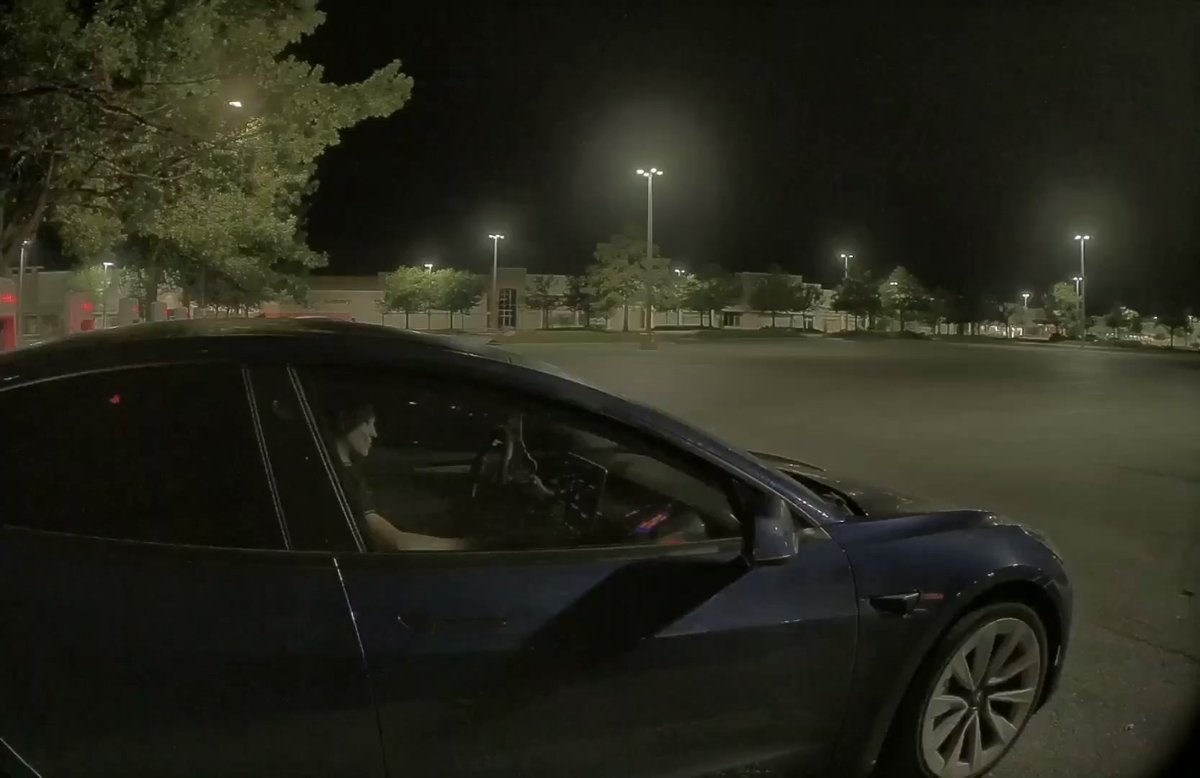
The first video allegedly showing Tesla's Emergency Drive Away feature in action has surfaced, and it reveals exactly how the system behaves when a driver needs to leave a Supercharger in a hurry — or accidentally triggers it. Announced in October 2026, the feature is designed to prevent the kind of unintended acceleration incidents that Tesla has previously estimated cost around $25,000 in damages. Here's what the footage shows and what every owner should understand before they encounter it.

What the Video Shows
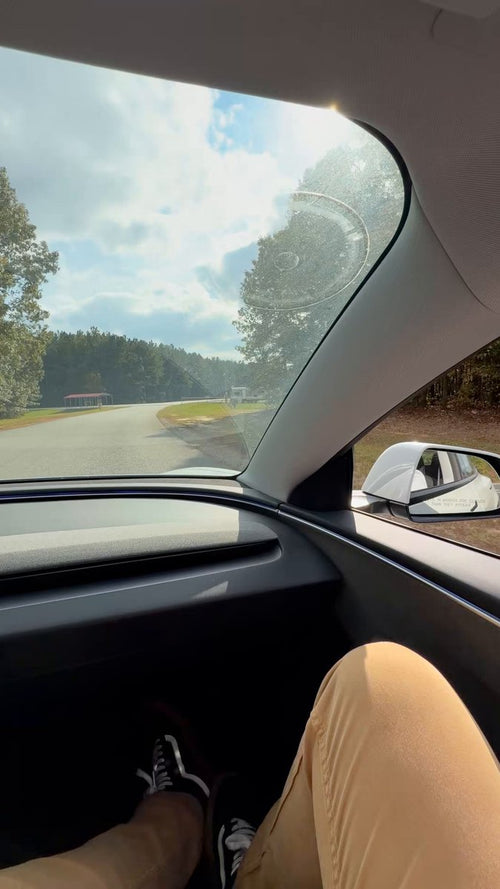
In the footage, the driver shifts into Drive while still connected to a Supercharger — the exact scenario Emergency Drive Away is built to catch. Rather than allowing the car to pull away and rip the charge cable from the vehicle or the stall, the system intervenes immediately. A sequence of warnings appears on screen, each requiring the driver to actively dismiss it before the car will proceed. The driver works through them one by one before the vehicle finally moves.
That deliberate, multi-step dismissal flow is the point. It's not a single tap-through — it's a friction wall designed to make sure an unintended shift into Drive doesn't silently result in a $25,000 cable-and-vehicle damage event. According to Tesla's own prior estimates, that figure covers damage to both the vehicle and the Supercharger infrastructure.
How Emergency Drive Away Works
Based on what the video demonstrates and what Tesla announced in October 2026, here's the flow owners should expect:
- You shift into Drive while plugged in. The system detects the conflict between an active charge session and a drive command.
- A warning appears on the touchscreen. It alerts you that the vehicle is still connected to a charger.
- You must dismiss each warning individually. The system presents multiple confirmation steps — not a single override. Each one requires deliberate input.
- Only after all warnings are cleared does the car allow you to drive away. At that point, the charge cable disconnects safely before the vehicle moves.
The multi-warning design is intentional. A single accidental nudge of the gear selector — something that can happen when reaching for a phone, adjusting a seat, or simply being distracted — won't be enough to trigger a drive-away. You have to mean it.
What Owners Should Do Now
Emergency Drive Away appears to be rolling out quietly — it was not part of a publicized OTA release note at the time of this writing, which makes it worth checking your vehicle proactively.
- Check your software version. Go to Controls → Software on your touchscreen to confirm you're on the latest available update. If Emergency Drive Away is live on your car, it will be active without any additional setup required.
- Test it intentionally — safely. The next time you're plugged into a Supercharger and ready to leave, try shifting into Drive before unplugging. You'll see the warning flow firsthand, so it won't catch you off guard in a real scenario.
- Don't fight the warnings. If you accidentally trigger it, read each prompt carefully before dismissing. The system is working as designed — rushing through it is fine, but skipping it isn't possible.
- Note the behavior for passengers. If someone else is in the driver's seat at a Supercharger — a valet, a family member — make sure they know this sequence exists. An unfamiliar driver who panics at the warnings could make the situation worse.
Why This Matters
Drive-away incidents at charging stations are a known problem across the EV industry, not just Tesla. But Tesla's $25,000 damage estimate — covering both the car and the Supercharger hardware — puts a concrete number on the risk. A torn charge port door, a damaged cable assembly, and potential Supercharger stall repairs add up fast. Emergency Drive Away is a software-level answer to what has historically been a human error problem.
The fact that this feature surfaced in a video before appearing in any official release notes is consistent with how Tesla has handled several safety-adjacent features in recent updates — quietly shipping them to avoid drawing attention to the failure mode they're designed to prevent. Keep an eye on your software update history for any official documentation as the rollout continues.
Related Gear
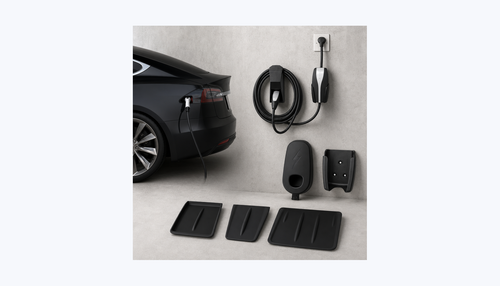
Gear up your Tesla with tested, custom-fit BASENOR accessories — shop Tesla accessories →
Sources & reporting notes
The links below identify the material source records used for this report.
- @TeslaNewswire on X (2026-10-28T05:57:02.000Z) — Direct source
Source links are preserved as published or accessed. See our editorial standards and corrections policy.
The BASENOR Editorial Desk covers Tesla, SpaceX, and related technology, curating reporting from primary sources — official accounts, regulatory filings, and software release data. Every article passes source-record and fact-checking review before publication. About the newsroom.
This report was curated by the BASENOR Editorial Desk from the sources listed above. Read our editorial standards or email editorial@basenor.com to report an error.