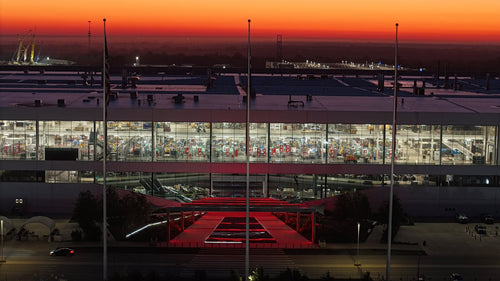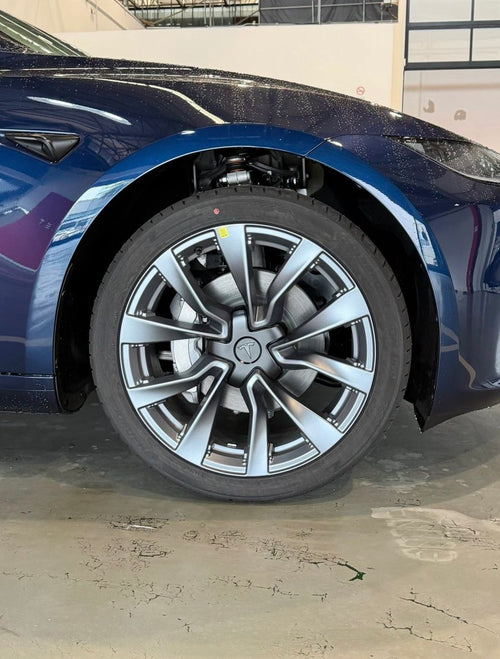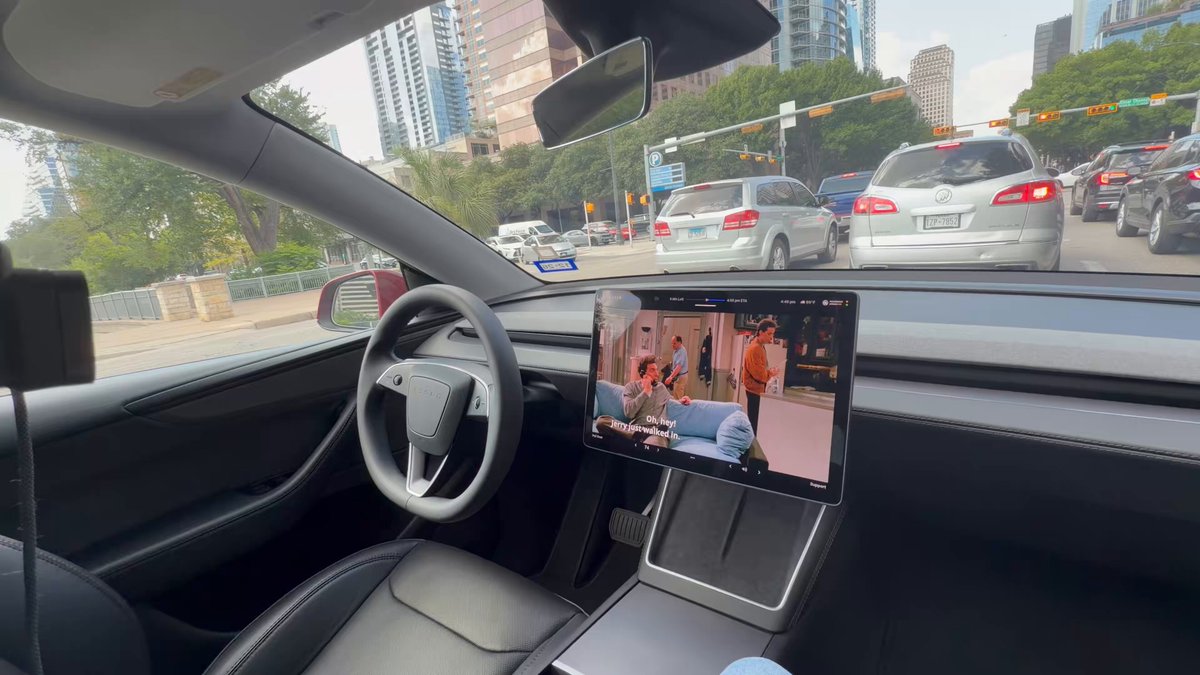
Tesla's Full Self-Driving system is moving fast enough that a six-month-old version already feels like a different product. That's the signal from Whole Mars Catalog, one of the most closely watched FSD observers on X, who posted a side-by-side comparison this week underscoring just how far the technology has traveled in a short window.

What's Actually Driving the Improvement
The pace isn't accidental. Tesla has been executing a series of compounding updates to FSD that, individually, might look incremental — but stack up quickly over a six-month horizon.
The most significant recent milestone was the June 29, 2026 rollout of FSD v14 "Lite" (firmware 2026.20.5.1) to early-access Hardware 3 vehicles. According to Tesla's AI chief Ashok Elluswamy, this update distills the intelligence from the HW4 V14 stack into HW3 — meaning reinforcement learning, offline models, and navigation improvements that were previously exclusive to newer hardware are now reaching approximately 4 million HW3 vehicles that had been sitting on FSD v12.6 since early 2025. That's a substantial portion of the fleet receiving a generational leap in a single push.
Specific improvements in v14 Lite include enhanced navigation handling, better merge and fork behavior, improved pedestrian interactions, and new parking, unparking, and reversing capabilities. These aren't cosmetic changes — they address the edge cases that historically caused the most driver interventions.
The Pricing Signal Worth Watching
Tesla's commercial posture around FSD has also shifted in ways that reflect internal confidence in the product. As of February 2026, Tesla eliminated the one-time purchase option entirely, moving to a $99/month subscription as the only path for new buyers. Elon Musk has been explicit that the price will rise as capabilities improve — which means the current rate effectively prices in today's capability level, not tomorrow's.
For owners who have been on the fence about subscribing, the trajectory matters. If the gap between six-month-old FSD and current FSD is already this visible to regular observers, the gap between today and six months from now could be equally significant — and the subscription price is unlikely to stay at $99.
What This Means for the Broader Autonomy Race
The rate of improvement is arguably the most important metric in autonomous driving development — more so than any single version's capability snapshot. A system that compounds improvements every few months is structurally different from one that iterates annually. Tesla's approach, built on a continuous fleet data loop feeding neural network training, is designed to accelerate over time rather than plateau.
The HW3 v14 Lite rollout is a useful illustration of that architecture in practice: Tesla didn't build new hardware to deliver a better experience to millions of existing vehicles. It retrained models and pushed software. That's a meaningful distinction for anyone tracking where autonomous capability is headed and how quickly it can reach scale.
For owners on HW3 who haven't checked their software version recently, now is a good time to look. The early-access rollout of 2026.20.5.1 is expanding, and the difference from v12.6 is reportedly substantial. You can follow the full rollout progress and all related updates in our FSD coverage.
Related Gear
Gear up your Tesla with tested, custom-fit BASENOR accessories — shop Tesla accessories →
📋 Tracking Tesla software? See every firmware, FSD and app version in one place in our Tesla Software Update Tracker.
Sources & reporting notes
The links below identify the material source records used for this report.
- @wholemars on X (2026-07-09T00:51:40.000Z) — Direct source
Source links are preserved as published or accessed. See our editorial standards and corrections policy.
The BASENOR Editorial Desk covers Tesla, SpaceX, and related technology, curating reporting from primary sources — official accounts, regulatory filings, and software release data. Every article passes source-record and fact-checking review before publication. About the newsroom.
This report was curated by the BASENOR Editorial Desk from the sources listed above. Read our editorial standards or email editorial@basenor.com to report an error.