Tesla has quietly deepened its insurance product's footprint inside the Tesla app, making it possible for owners — and even buyers awaiting delivery — to purchase a policy without ever leaving the platform. The move signals a more aggressive push to keep the entire Tesla ownership experience inside Tesla's own ecosystem, from the car itself to the coverage that protects it.

What the App Integration Actually Covers
According to Tesla's own support documentation, the app integration goes well beyond a simple quote tool. Owners can obtain quotes, purchase new policies, add or remove drivers and vehicles, update coverage details, swap payment methods, and download policy documents and insurance cards — all from within the Tesla app. That's a meaningful consolidation. Previously, much of this required navigating a separate web portal or contacting support directly.
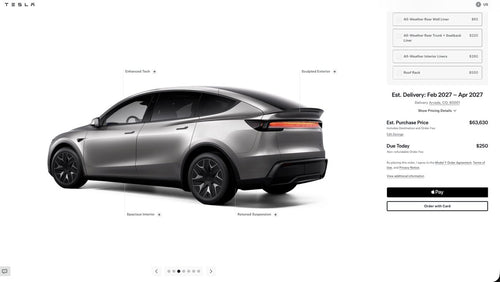
One detail worth flagging for buyers in the pipeline: Tesla Insurance can now be purchased through the app before taking delivery, as long as you have an assigned VIN and a confirmed delivery date. That removes one more logistical headache from the delivery-day checklist.
The Safety Score Connection
Tesla's insurance pricing model remains distinct from traditional carriers. Premiums are calculated month-to-month using a real-time Safety Score derived from driving behavior — hard braking, aggressive cornering, following distance, and similar inputs. One notable wrinkle: engaging Full Self-Driving (Supervised) automatically earns a perfect Safety Score of 100 per mile, which can translate directly into lower monthly premiums. For owners who use FSD regularly, that's a tangible financial incentive baked into the product.
California residents get a different version of the product. Real-time behavior-based pricing is not available there due to state regulations, though California non-Tesla vehicle owners can add a non-Tesla car to a new Tesla Insurance policy — an unusual feature that broadens the product's appeal beyond the core Tesla owner base.
Where It's Available and What It Costs
Tesla Insurance currently operates in 15 states. Coverage is not yet nationwide, so availability remains a limiting factor for a significant portion of the fleet. For owners in eligible states, the cost picture in 2026 looks like this, according to available market data:
| Model | Annual Cost (Full Coverage) |
|---|---|
| Model 3 | $2,300 – $2,900 |
| Model Y | $2,900 – $3,900 |
| Cybertruck | $3,500 – $5,500+ |
| National Average (all models) | ~$4,512 / yr ($376/mo) |
Those figures sit above the broader market average of roughly $3,037 annually for all vehicles, a gap that reflects the higher repair costs associated with Tesla's proprietary parts and repair network. Whether the Safety Score discount can close that gap meaningfully depends heavily on individual driving habits.
The Bigger Strategic Picture
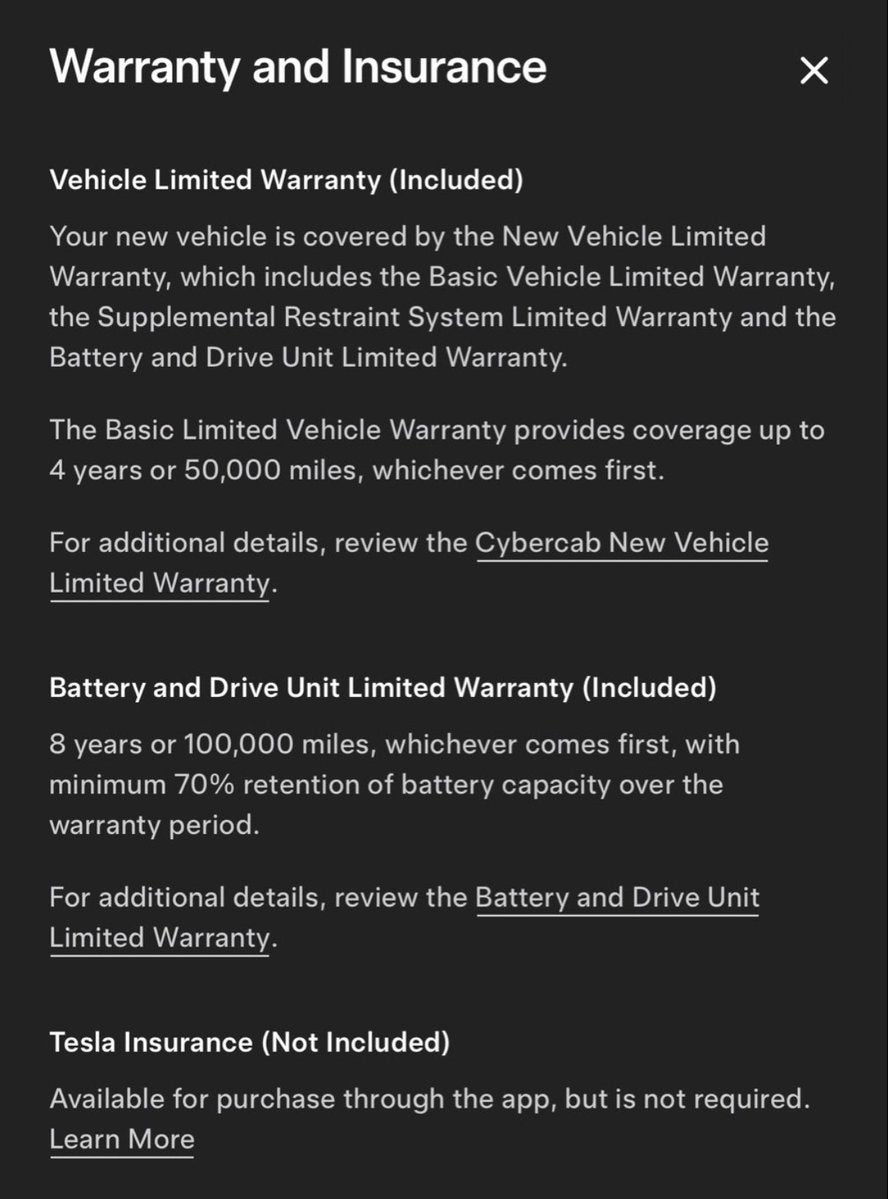
The "not required" framing that prompted the original question from @wholemars is worth unpacking. Tesla presenting insurance as an available but optional in-app purchase is a deliberate positioning choice. It keeps the product visible at exactly the moment owners are most engaged with their vehicle — inside the app they use daily for charging, climate control, and software updates — without creating friction that could sour the ownership experience.
The long-term play is clear: if Tesla can capture a meaningful share of its own fleet's insurance premiums, it adds a recurring, high-margin revenue stream that compounds as deliveries grow. Insurance is also a data business, and Tesla's telematics advantage over traditional carriers is substantial. The app integration is less a convenience feature and more a distribution channel being quietly optimized.
For owners in the 15 supported states, it's worth opening the app and running a quote — especially if you're a heavy FSD user whose Safety Score might yield a rate that undercuts your current carrier.
Related Gear
Gear up your Tesla with tested, custom-fit BASENOR accessories — shop Tesla accessories →
Sources & reporting notes
The links below identify the material source records used for this report.
- @wholemars on X (2026-11-19T06:53:20.000Z) — Direct source
Source links are preserved as published or accessed. See our editorial standards and corrections policy.
The BASENOR Editorial Desk covers Tesla, SpaceX, and related technology, curating reporting from primary sources — official accounts, regulatory filings, and software release data. Every article passes source-record and fact-checking review before publication. About the newsroom.
This report was curated by the BASENOR Editorial Desk from the sources listed above. Read our editorial standards or email editorial@basenor.com to report an error.