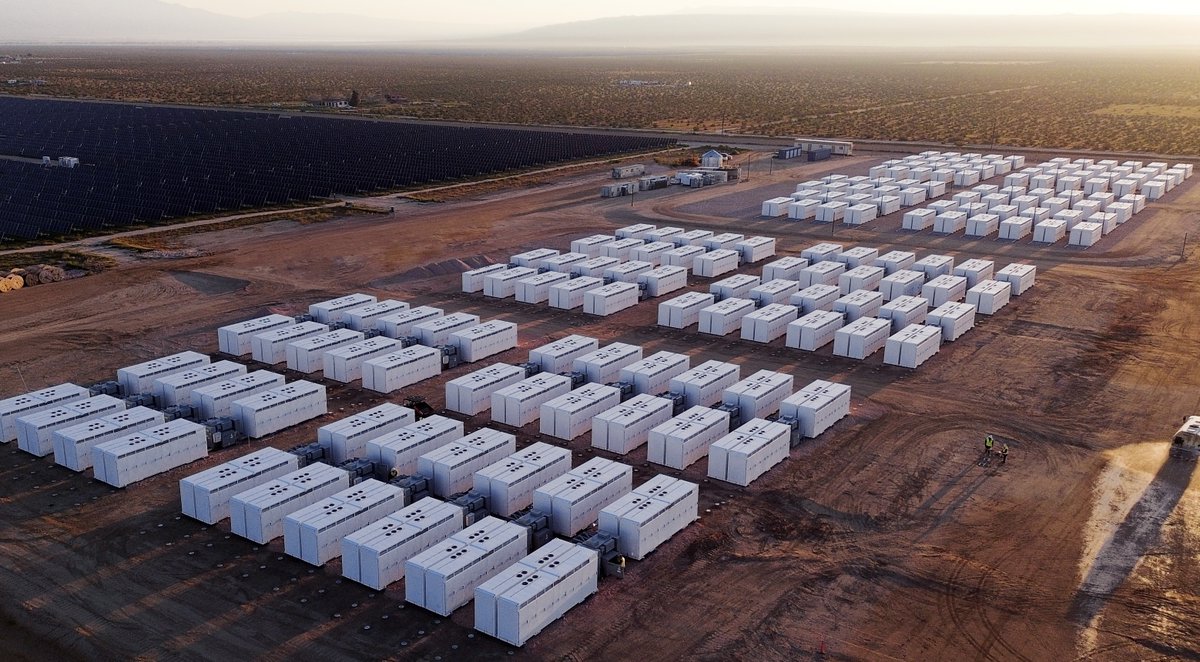
Tesla Energy has secured a significant new contract in Asia: Taiwan-based green energy integrator Apollo Power has ordered 260 Megapack 2XL units, totaling 1 GWh of battery energy storage capacity, in a deal valued at approximately $265 million. The procurement agreement was signed with Tesla Energy Taiwan on October 8, 2026, and the systems are earmarked for enterprise storage and grid resilience projects across the island.

What the Order Covers
The 260 Megapack 2XL units carry a combined power capacity of 501 MW, capable of delivering 1 GWh over two hours of continuous discharge. According to background reporting, Apollo Power's total project investment — covering both equipment procurement and engineering expenses — reaches approximately NT$13 billion (roughly $406.7 million USD). The company declined to disclose the specific Megapack contract price, citing a confidentiality agreement with Tesla.
Delivery is expected to occur in phases through the end of 2027, with commercial operations planned to begin in 2028. The systems will be deployed primarily within Taiwan's western industrial corridor, targeting industries including steel, semiconductors, industrial manufacturing, textiles, and healthcare facilities — sectors with high and often unpredictable power demands.
| Detail | Value |
|---|---|
| Buyer | Apollo Power (Taiwan) |
| Seller | Tesla Energy Taiwan |
| Agreement Date | October 8, 2026 |
| Product | Megapack 2XL |
| Units Ordered | 260 |
| Energy Capacity | 1 GWh (~501 MW power) |
| Contract Value | ~$265 million USD |
| Total Project Investment | ~NT$13 billion (~$406.7M USD) |
| Delivery Timeline | Phased, by end of 2027 |
| Commercial Operations | 2028 |
The Strategic Alliance Behind the Deal
This order isn't a standalone procurement — it sits inside a broader "AIDC and Enterprise Grid Resilience Partnership" that Apollo Power has assembled with Tesla Energy Taiwan, Gigabyte Technology, Phison, and Shihlin Electric. The framing matters: the Megapacks aren't just backup power. According to background reporting, the systems are explicitly positioned to support energy integration for AI data centers alongside industrial power dispatch and supply resilience. Taiwan's semiconductor-heavy economy, combined with surging AI infrastructure investment, makes stable grid capacity a strategic priority rather than a routine utility concern.
The Megapack 2XL itself integrates battery modules, power conversion systems, and thermal management into a single cabinet — a design that reduces installation complexity and commissioning time at scale. The units also feature Grid-Forming (GFM) technology, which allows them to actively stabilize voltage and frequency rather than simply responding to grid signals. For a deployment targeting industrial and healthcare facilities, that active grid-support capability is a meaningful differentiator over passive storage alternatives.
What It Signals for Tesla Energy
A single 1 GWh order is a substantial line item. For context, Tesla's Megafactory in Lathrop, California — its primary Megapack production facility — has been scaling toward multi-GWh annual output. A deal of this size landing in Taiwan, a market where energy security has become a genuine policy priority, suggests Tesla Energy is successfully converting that production capacity into contracted backlog outside its traditional North American and European strongholds.
The 2028 commercial operations target also means this order will contribute to Tesla Energy's revenue recognition over the next two-plus years — a steady pipeline contribution rather than a one-quarter spike. Whether deals of this scale become a recurring pattern in Asia-Pacific will be worth watching as Tesla Energy continues to pursue grid-scale contracts globally.
Related Gear
Gear up your Tesla with tested, custom-fit BASENOR accessories — shop Tesla accessories →
Sources & reporting notes
The links below identify the material source records used for this report.
- @SawyerMerritt on X (2026-10-13T15:06:57.000Z) — Direct source
Source links are preserved as published or accessed. See our editorial standards and corrections policy.
The BASENOR Editorial Desk covers Tesla, SpaceX, and related technology, curating reporting from primary sources — official accounts, regulatory filings, and software release data. Every article passes source-record and fact-checking review before publication. About the newsroom.
This report was curated by the BASENOR Editorial Desk from the sources listed above. Read our editorial standards or email editorial@basenor.com to report an error.