
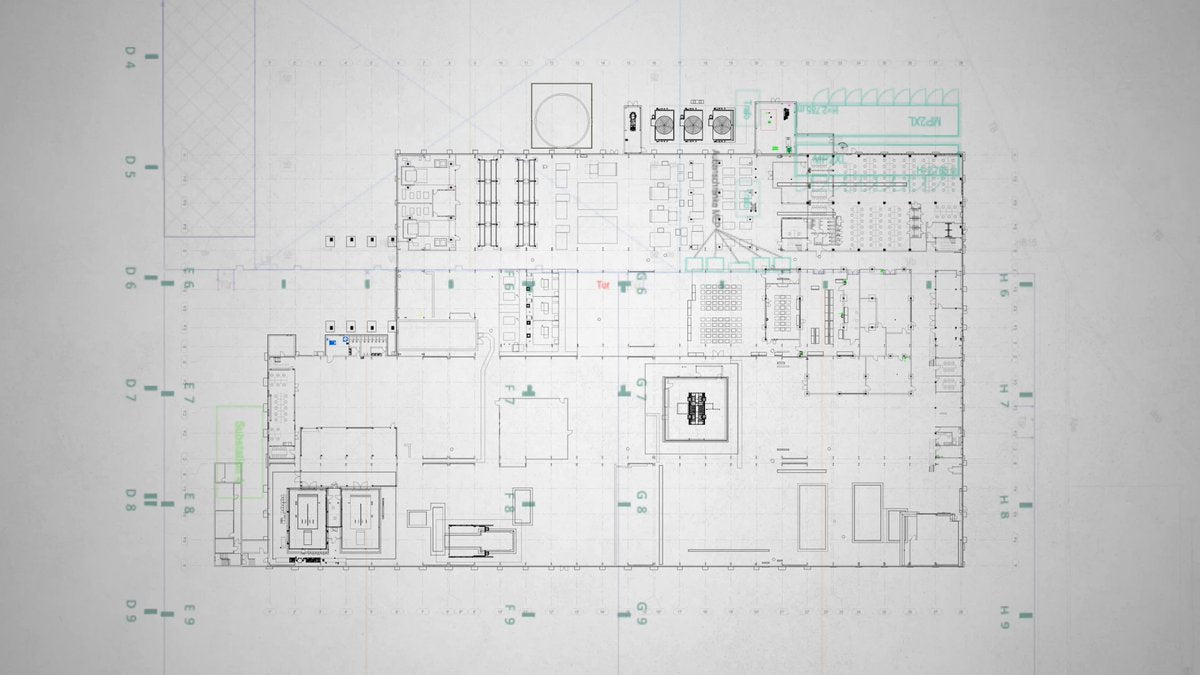
Tesla has officially opened the Berlin Tesla Engineering Center (BTEC) in Köpenick, Germany, marking the company's third major engineering hub globally after Fremont and Shanghai. Announced by Tesla Europe on November 4, 2026, the new campus consolidates four previously separate engineering sites into one location with 30 dedicated labs, roughly 30 minutes from Gigafactory Berlin-Brandenburg. The facility moved from permit to operational in under a year — a notably compressed timeline for a research complex of this scope.

What Tesla Just Opened
BTEC sits in a converted old factory building in Berlin-Köpenick, according to German outlet t-online.de, and launches with over 250 employees — a mix of engineers and technicians. Tesla has already applied for approval for a second expansion stage that would roughly double the workforce to approximately 500 engineers and technicians. Total investment in the facility is reported at €100 million.
The research mandate is broad. According to Gigafactory Berlin News, BTEC will conduct work on new vehicles, drivetrains, and materials, while also running safety tests on vehicle components — including airbags — and battery cell tests. Tesla Europe's own announcement frames the site as a materials, safety, and battery research campus built to serve the full European engineering function under one roof.

Key Figures
| Metric | Detail |
|---|---|
| Location | Köpenick, Berlin — ~30 min from Giga Berlin |
| Opening date | November 4, 2026 |
| Investment | €100 million |
| Initial workforce | 250+ engineers and technicians |
| Planned expansion | ~500 total employees (pending approval) |
| Labs on site | 30 |
| Sites consolidated | 4 engineering locations into 1 |
| Rank in Tesla R&D network | 3rd hub, after Fremont and Shanghai |
How We Got Here
Tesla's European engineering footprint has historically been fragmented. According to t-online.de, staffing for BTEC is being drawn in part from existing Tesla facilities in Tilburg, Netherlands, and other laboratory locations around Europe — pointing to a deliberate consolidation rather than a pure headcount expansion. The four previously separate engineering sites referenced by Tesla Europe now report into a single Köpenick campus.
The speed of the build is notable in a German regulatory context. Tesla Europe says BTEC went from permit to operational in under twelve months. For comparison, the Grünheide Gigafactory itself took years of permitting before production began in 2022. Reusing an existing industrial building in Köpenick, rather than greenfield construction, likely helped compress the timeline.
Why a Third Hub, and Why Berlin
Tesla's two prior engineering hubs reflect its two biggest production bases: Fremont anchors North American vehicle and powertrain engineering, while Shanghai supports both China manufacturing and increasingly serves as a design and localization center. Standing up Berlin as the third hub formalizes Europe's status inside Tesla's R&D structure instead of treating the region as a satellite of Fremont.
The scope Tesla has disclosed — materials research, drivetrain and vehicle development, airbag and component safety validation, and battery cell testing — covers the categories most sensitive to European regulation and European supplier ecosystems. Running those programs on German soil puts Tesla engineers closer to EU homologation authorities, Tier 1 suppliers concentrated in Germany and the surrounding region, and the Grünheide production line itself.
Tesla has characterized the opening as a signal of long-term commitment to Germany as a strategic innovation location, according to t-online.de. That framing is worth noting given the broader European EV market's current headwinds and the political scrutiny around Grünheide's expansion plans.
What It Means for Tesla Owners
For European Tesla owners, BTEC doesn't change anything this week, but it does reshape where decisions about future European-market vehicles, materials, and safety validation will be made. Airbag and component safety testing done locally should streamline updates and certifications for EU-spec cars. Battery cell testing on-site also positions Tesla to iterate faster on chemistries and pack designs that need to satisfy European standards — relevant as the company continues to balance 4680 production, LFP sourcing, and future cell formats.
More broadly, consolidating four sites into one campus with 30 labs and planned headcount of roughly 500 suggests Europe is being built up as a vehicle development center, not just a validation outpost. Whether that eventually translates into Europe-led vehicle programs — rather than localized versions of Fremont-led programs — is the open question.
What to Watch Next
- Phase 2 approval: Tesla has filed for the expansion to ~500 employees. Approval timing will indicate how quickly the full engineering footprint comes online.
- Hiring signals: Public job listings for BTEC roles — particularly in battery cell research, materials science, and vehicle safety — will reveal the actual program priorities.
- Grünheide coordination: Watch for evidence of BTEC-driven engineering changes landing on the Model Y production line in Grünheide, the most direct feedback loop Tesla has in Europe.
- Supplier announcements: New partnerships with German or EU Tier 1 suppliers, especially in cell manufacturing or safety systems, would validate the hub's strategic role.
Frequently Asked Questions
Where exactly is the Berlin Tesla Engineering Center?
BTEC is located in Köpenick, a district in southeast Berlin, roughly 30 minutes from Gigafactory Berlin-Brandenburg in Grünheide. Tesla converted an existing old factory building for the facility rather than building from scratch.
How is BTEC different from Gigafactory Berlin?
Gigafactory Berlin-Brandenburg in Grünheide is Tesla's European vehicle production plant, currently building Model Y. BTEC is a pure research and engineering center — no vehicles are manufactured there. It focuses on labs for materials, drivetrains, safety testing, and battery cells.
Is BTEC Tesla's biggest engineering center?
No. Fremont and Shanghai remain Tesla's largest engineering hubs. BTEC opens as the third hub of its kind, starting with 250+ employees and planned expansion to around 500, which is still smaller than Tesla's California and China engineering operations.
Will BTEC work on Full Self-Driving or AI?
Tesla has not specifically named FSD or AI among the disclosed focus areas. According to the announcements, BTEC's scope covers new vehicles, drivetrains, materials research, safety testing including airbags, and battery cell testing. Autonomy engineering remains anchored in the US.
Does this mean Tesla is designing a Europe-specific car?
Not confirmed. Tesla has said BTEC will research new vehicles, but no specific Europe-only model has been announced. The hub's capabilities would, however, support localized engineering work on current and future Tesla vehicles sold in European markets.
BTEC's opening is incremental on the surface — one building, 250 employees, a familiar list of research disciplines. But it formalizes something Tesla's European presence has been missing for years: a single center of gravity for engineering decisions on the continent. The question now is how quickly it starts shaping the cars Grünheide actually builds.
Related Gear
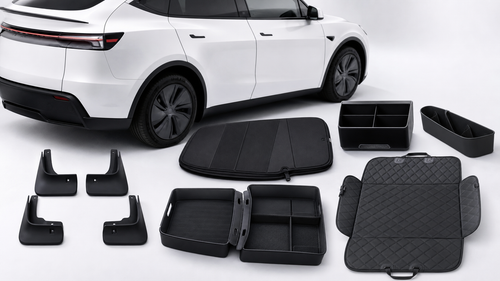
Gear up your Tesla with tested, custom-fit BASENOR accessories — shop Tesla accessories →
Sources & reporting notes
The links below identify the material source records used for this report.
- @teslaeurope on X (2026-11-04T19:41:03.000Z) — Direct source
- @Gf4Tesla on X (2026-11-04T19:42:29.000Z) — Direct source
Source links are preserved as published or accessed. See our editorial standards and corrections policy.
The BASENOR Editorial Desk covers Tesla, SpaceX, and related technology, curating reporting from primary sources — official accounts, regulatory filings, and software release data. Every article passes source-record and fact-checking review before publication. About the newsroom.
This report was curated by the BASENOR Editorial Desk from the sources listed above. Read our editorial standards or email editorial@basenor.com to report an error.