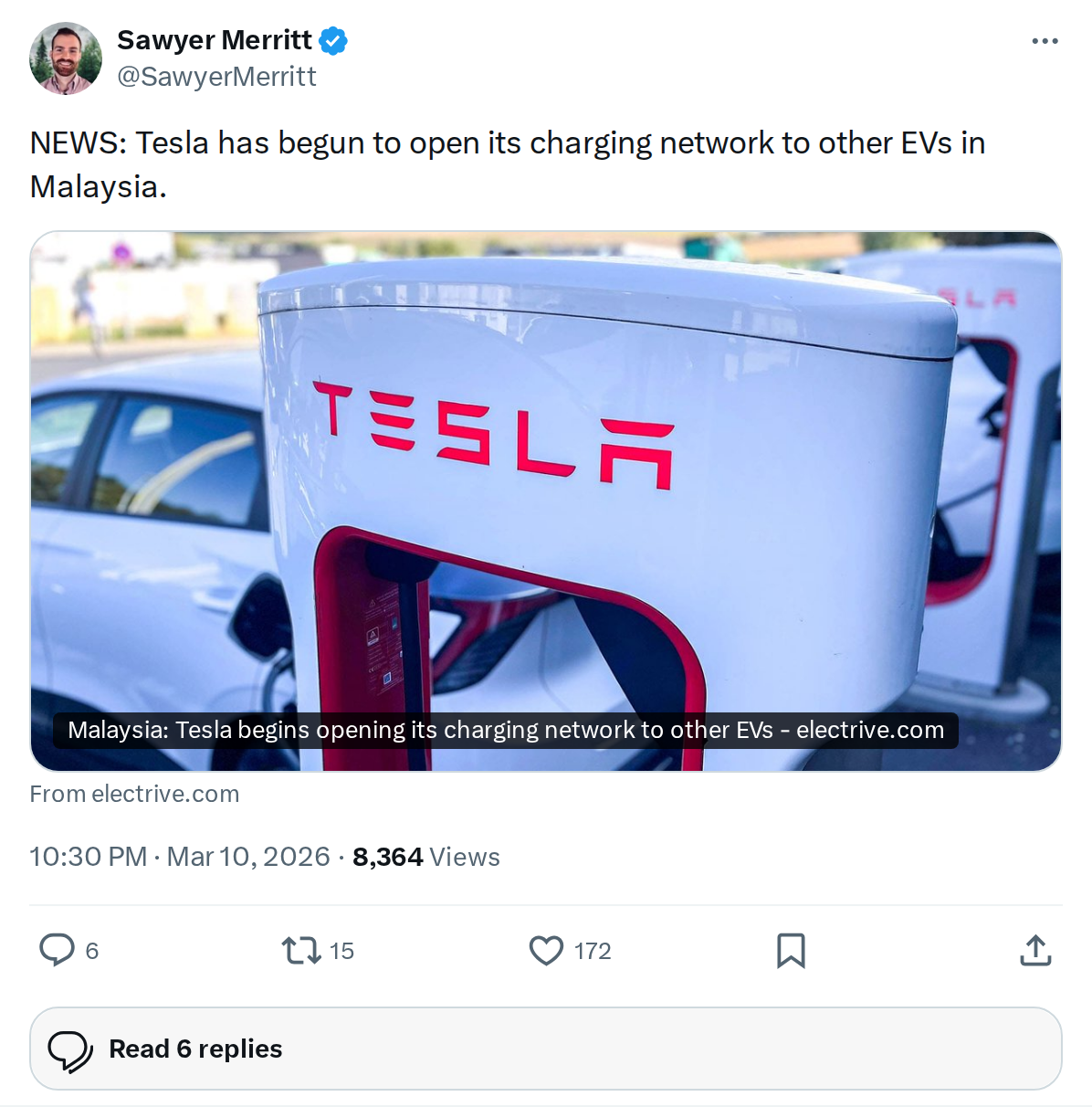
The News: Tesla has opened its Supercharger network to non-Tesla EVs in Malaysia, starting with four stations in the Klang Valley.
Why It Matters: This fulfills a government mandate and signals Tesla's continued push to make its charging infrastructure the regional standard — but it also introduces new pricing tiers and congestion dynamics that Tesla owners in Malaysia need to understand.
Source: @SawyerMerritt on X

Tesla's Supercharger Network Goes Open in Malaysia
Tesla has officially begun allowing non-Tesla electric vehicles to charge at selected Supercharger stations in Malaysia — a significant expansion of the company's open-network strategy into Southeast Asia. The rollout started around March 3–5, 2026, with four locations in the Klang Valley now accessible to any compatible EV, not just Teslas.
This isn't a surprise move. It's the direct result of a commitment Tesla made to the Malaysian government under the Battery Electric Vehicle (BEV) Global Leaders program, which required Tesla to install at least 50 DC fast chargers with a minimum output of 180 kW by 2026 — with at least 30% of those stalls open to other EV brands. Tesla is now delivering on that promise.
📊 Key Figures
| Metric | Value | Context |
|---|---|---|
| Initial Open Stations | 4 | All in Klang Valley |
| Total Stalls Available | 22 | Across 4 locations |
| Max Charging Speed | 250 kW | V3 & V4 hardware |
| Non-Tesla Rate | RM 1.80/kWh | Standard rate |
| Tesla Owner Rate | From RM 0.93/kWh | Nearly half the non-Tesla rate |
| Congestion Fee | Up to RM 2.00/min | Non-Tesla, post-charge or above 80% SoC |
| Government DC Fast Charger Target | 50 units by 2026 | Min. 30% open to other EVs |
Where Can Non-Tesla EVs Charge Right Now?
The four initial Supercharger stations open to all EVs are located at:
🔌 Open Supercharger Locations — Klang Valley
All four sites are equipped with V3 and V4 Superchargers capable of delivering up to 250 kW. The V4 units in particular feature longer cables — a practical upgrade that accommodates the varied charging port positions across different EV brands.
How Non-Tesla Owners Access the Network
Non-Tesla EV drivers must use the Tesla mobile app to initiate a charging session. This requires creating a Tesla account and adding a payment method — the same flow used in other markets where Tesla has opened its network. There's no physical card or separate hardware required.
A monthly membership option exists that can drop the per-kWh rate to approximately RM 0.99–1.08/kWh (versus the standard RM 1.80/kWh), at a cost of roughly USD 12.99 (~RM 50–60/month). However, this membership package is not officially listed in Malaysia yet — some users have found workarounds to activate it, but it's not a guaranteed option for everyone.
Compatibility: Which EVs Work — and Which Don't
The Superchargers at these locations use the CCS2 connector standard, which covers the majority of non-Tesla EVs sold in Malaysia. However, there is one confirmed incompatibility: the 2022/2023 pre-facelift BYD Atto 3 (identifiable by its Atlas A51 Batman tires) cannot currently charge at these stations.
A hardware fix for this BYD compatibility issue is reportedly being rolled out in Australia at a cost of around AUD 300–400, but whether that fix will be made available in Malaysia is currently unconfirmed.
🔭 The BASENOR Take
Timeline: Rollout began March 3–5, 2026. Currently limited to 4 Klang Valley locations.
Impact Level: Medium-High — meaningful for Malaysia's EV ecosystem; limited immediate impact on existing Tesla owners' daily charging.
Confidence: High — confirmed by multiple local sources and consistent with Tesla's government commitments.
The pricing structure here tells you everything about Tesla's strategy. At RM 1.80/kWh for non-Tesla EVs versus as low as RM 0.93/kWh for Tesla owners, the Supercharger network remains a compelling ownership advantage — even as it becomes technically accessible to everyone. Tesla isn't giving away its moat; it's monetizing it.
The government mandate angle is also worth noting. Tesla's participation in Malaysia's BEV Global Leaders program isn't purely altruistic — it's the price of doing business in a market where the government is actively shaping EV infrastructure policy. By fulfilling this commitment, Tesla secures its position as the dominant charging infrastructure player in Malaysia, which has long-term implications as EV adoption accelerates across Southeast Asia.
For Tesla owners in the Klang Valley, the near-term question is practical: will these 22 newly shared stalls become congested? The congestion fee structure (up to RM 2.00/min for non-Tesla vehicles parked after charging ends or above 80% SoC) is Tesla's mechanism to keep stall turnover high. It's the same approach used in other open-network markets, and it generally works — but it requires non-Tesla drivers to be disciplined about moving their vehicles promptly. Whether that behavior takes hold in Malaysia will be worth watching as the rollout expands beyond the initial four locations.
Related Gear
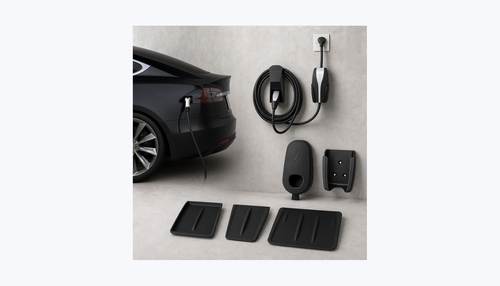
Gear up your Tesla with tested, custom-fit BASENOR accessories — shop Tesla accessories →
Sources & reporting notes
The links below identify the material source records used for this report.
- @SawyerMerritt on X (2026-03-10T14:30:01.000Z) — Direct source
Source links are preserved as published or accessed. See our editorial standards and corrections policy.
The BASENOR Editorial Desk covers Tesla, SpaceX, and related technology, curating reporting from primary sources — official accounts, regulatory filings, and software release data. Every article passes source-record and fact-checking review before publication. About the newsroom.
This report was curated by the BASENOR Editorial Desk from the sources listed above. Read our editorial standards or email editorial@basenor.com to report an error.