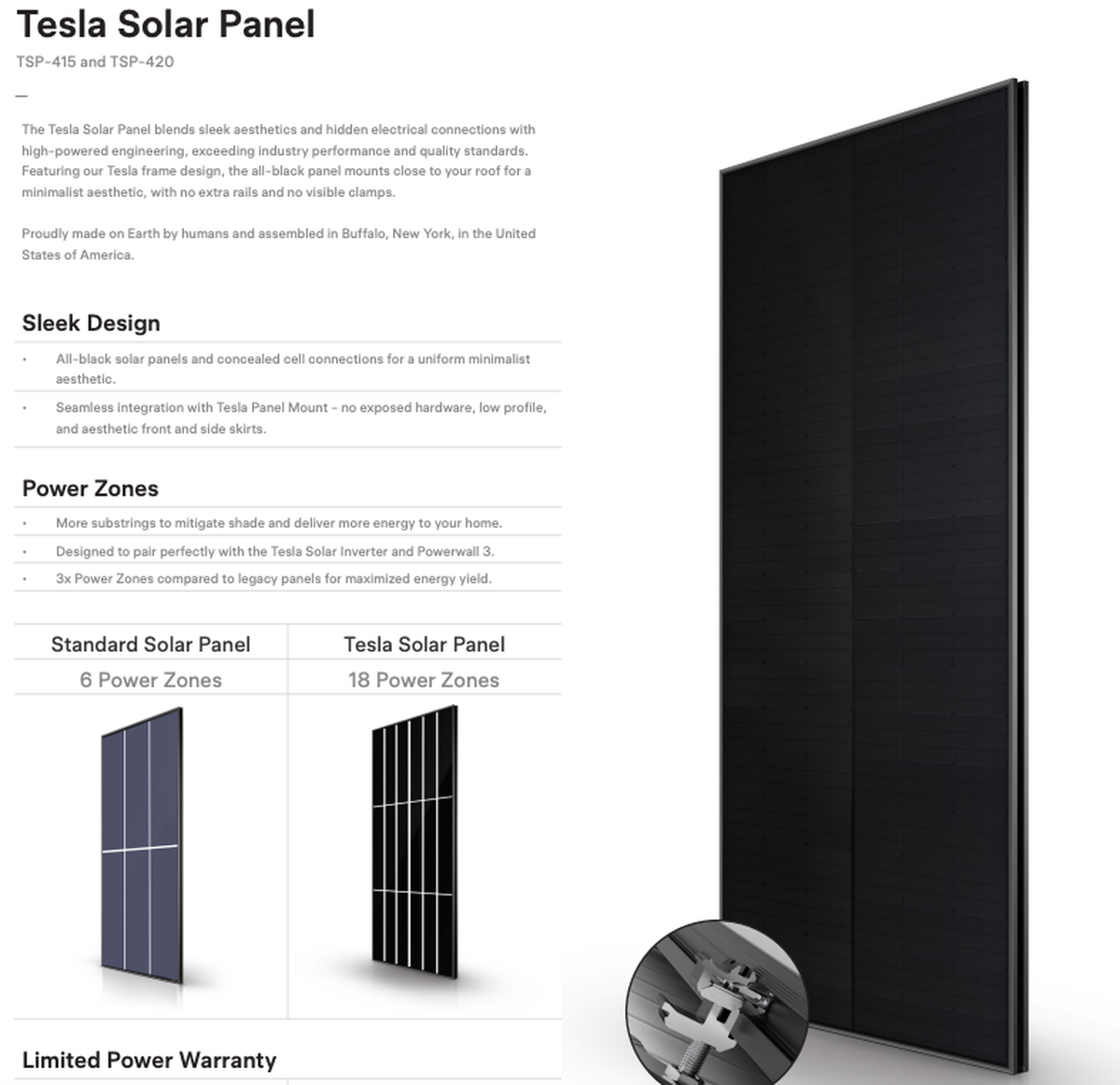
Tesla is planning to build a new solar panel gigafactory in Brookshire, Texas — and it won't be starting from scratch. According to a report from Fred Lambert, the facility would be co-located with the Megapack production plant Tesla is already building in the Empire West Industrial Park, just outside Houston. If confirmed, it would mark a significant expansion of Tesla's domestic energy manufacturing footprint at a single site.

What's Already Being Built There
The Brookshire site is not a new name in Tesla's energy strategy. The company is already deep into construction of what will be its third Megapack manufacturing facility, dedicated to producing Megapack 3 and Megablock large-scale energy storage systems. Elon Musk confirmed the project was underway during Tesla's Q4 2024 earnings call in January 2025, though the specific location wasn't disclosed at the time.
The numbers behind the existing facility are substantial. Tesla is investing approximately $200 million into the Brookshire site — $44 million for facility upgrades and $150 million for manufacturing equipment. The two-building complex totals more than 1.65 million square feet: Building 9 (roughly 1 million sq ft) serves as the primary manufacturing floor, while Building 10 (around 600,000 sq ft) handles warehousing and logistics. Production of Megapack 3 units is targeted to begin in late 2026, with a full-ramp annual capacity of 50 GWh.
To secure the project, Waller County Commissioners approved a 10-year tax abatement offering up to a 60% property tax reduction, contingent on Tesla hitting hiring and investment milestones. The facility is expected to create at least 1,500 jobs by 2028, with interim targets of 375 employees by end of 2026 and 750 by 2027.
Why Co-Locating Solar Makes Strategic Sense
Adding a solar panel manufacturing line to an existing energy campus isn't a random choice. Tesla's solar and storage products are increasingly sold together — Powerwall, solar roof, and Megapack deployments often go hand in hand for commercial and utility customers. Having both manufactured under one roof (or at least on the same industrial campus) could streamline supply chain logistics, reduce shipping costs between production facilities, and accelerate deployment timelines for integrated energy projects.
Tesla's solar manufacturing history has been complicated. The company has relied heavily on its partnership with Panasonic at Gigafactory Buffalo in New York for solar cell and module production. A dedicated solar gigafactory in Texas would represent a meaningful shift toward greater vertical integration and domestic capacity — particularly relevant as trade policy and tariff pressures continue to reshape the solar supply chain.
The Megapack line at Brookshire will use LFP prismatic cells from LG Energy Solution, sourced from Lansing, Michigan, under a reported $4.3 billion supply deal. Whether the solar operation would draw on a similar domestic cell supply arrangement, or rely on a different sourcing strategy, remains to be seen.
What We Don't Know Yet
The solar gigafactory remains at the planning stage, and key details — capacity targets, investment figures, timeline, job projections — haven't been officially confirmed by Tesla. The report from Lambert is the first to specifically name Brookshire as the intended location, and Tesla has not made a public announcement. It's worth noting that Tesla rarely pre-announces manufacturing expansions; the Brookshire Megapack plant itself was confirmed only after construction was already underway.
Whether this becomes a full-scale solar panel gigafactory on par with Gigafactory Buffalo, or a more modest manufacturing addition to an existing campus, will define how significant this development actually is. For now, Brookshire is quietly becoming one of the most important energy manufacturing hubs in Tesla's portfolio — and potentially about to get bigger.
Related Gear
Gear up your Tesla with tested, custom-fit BASENOR accessories — shop Tesla accessories →
Sources & reporting notes
The links below identify the material source records used for this report.
- @FredLambert on X (2026-05-19T15:29:45.000Z) — Direct source
Source links are preserved as published or accessed. See our editorial standards and corrections policy.
The BASENOR Editorial Desk covers Tesla, SpaceX, and related technology, curating reporting from primary sources — official accounts, regulatory filings, and software release data. Every article passes source-record and fact-checking review before publication. About the newsroom.
This report was curated by the BASENOR Editorial Desk from the sources listed above. Read our editorial standards or email editorial@basenor.com to report an error.