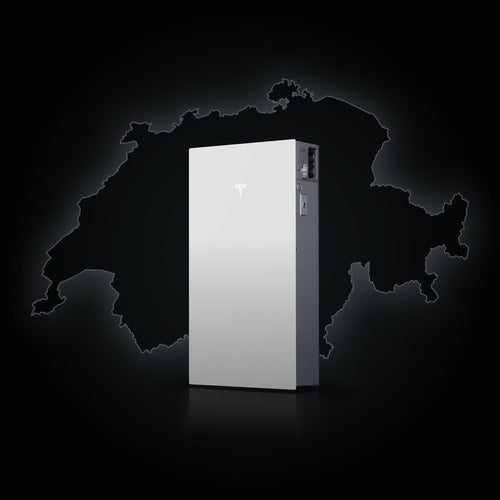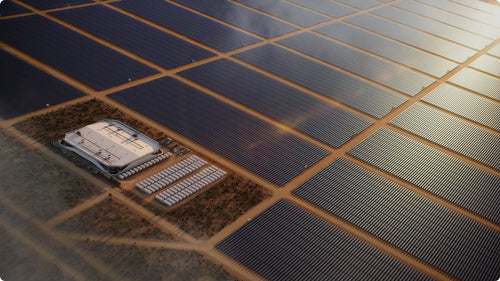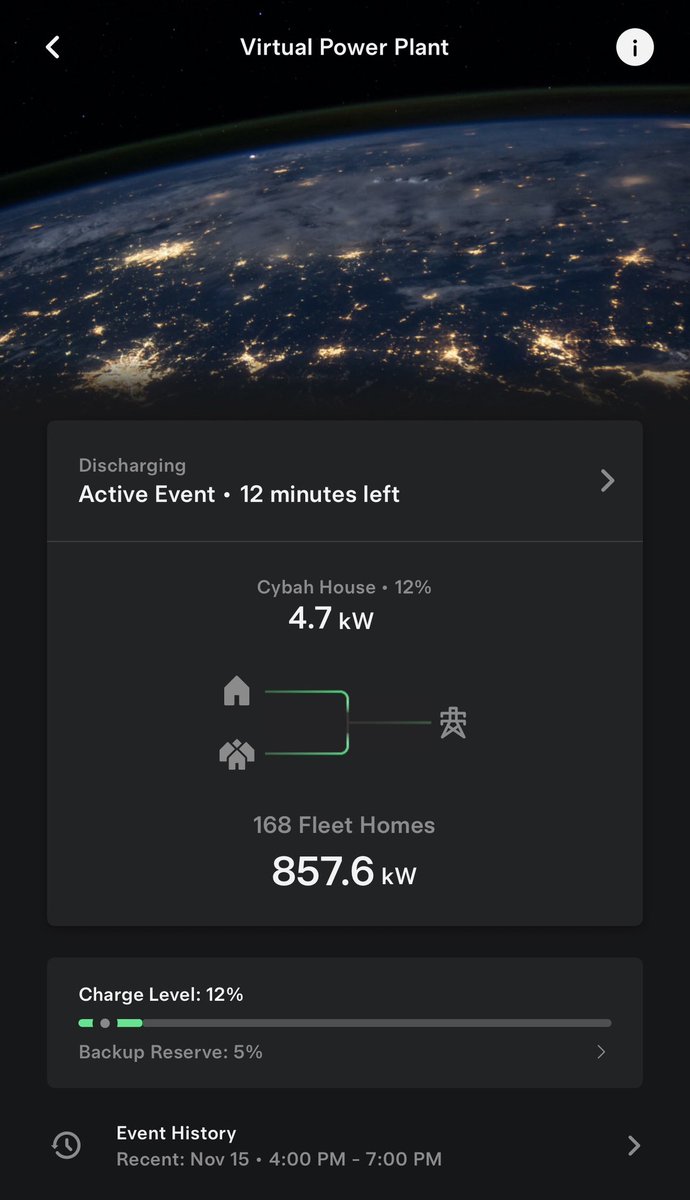
Tesla Energy confirmed this week that Powerwall owners are actively dispatching stored electricity to stabilize grids as part of more than 100 Virtual Power Plant programs operating worldwide. The numbers behind those programs have grown significantly — and so have the earnings opportunities for homeowners who participate. Here's what the latest data tells us.

1. Over 2 GW of Dispatchable Capacity Is Already Online
Tesla's fleet of enrolled Powerwalls now represents more than 2 GW of fleet capacity and 2.38 GW of dispatchable capacity across five active markets: Australia, California, Puerto Rico, New England, and Texas, according to Tesla. That's not theoretical headroom — it's capacity that grid operators can call on in real time when demand spikes. To put it in perspective, a single large natural gas peaker plant typically generates around 500 MW. Tesla's Powerwall network is already four times that, distributed across hundreds of thousands of homes.
2. California Just Set a New Record — Twice in One Month
On October 6, 2026, more than 85,000 California Powerwall owners collectively dispatched a record 600 MW to the state grid during a peak demand event, according to reporting from multiple energy sources. That surpassed a previous record of 580 MW set less than a month earlier. Across 10 major dispatch events in California in 2026, Powerwall owners collectively sent 5 gigawatt-hours of stored electricity back to the grid — enough to power hundreds of thousands of homes for an hour. These events operate under the California Energy Commission's Demand Side Grid Support (DSGS) program and the Emergency Load Reduction Program (ELRP).
3. Powerwall Owners in California Can Earn Up to $350 Per Unit Per Summer
Participation isn't purely altruistic. California's DSGS program paid enrolled Powerwall owners up to $350 per Powerwall per summer in 2026, disbursed as an annual lump sum. Monthly capacity payments ranged from $7/kW in May to $14.97/kW in September, according to program data. For owners with two Powerwalls, that's potentially $700 in a single season for doing nothing beyond keeping the system enrolled. Note: Tesla stopped accepting new DSGS enrollments as of March 2026, directing eligible customers to the ELRP instead, which pays $2.00 per additional kWh delivered during an event. New legislation (SB 913, signed September 30, 2026) is expected to create a long-term market pathway for 2027, though payment rates are not yet set.
4. A 16.8 GW Joint VPP Initiative Is in the Works
The scale of ambition extends well beyond what's already deployed. In June 2026, Sunrun, Tesla, and Renew Home announced an agreement to deliver up to 16.8 GW of flexible power output, targeting data centers and utilities. The proposed VPP would aggregate 7.8 GW from home battery systems (Sunrun and Tesla combined) with 9 GW of flexible peak capacity from over 8 million smart thermostats and connected devices managed by Renew Home — covering up to 12 million existing devices across 9 million customer homes in the United States. If realized, this would represent one of the largest distributed energy resources ever assembled.
5. The UK Is Now an Active Market
International expansion is accelerating. In March 2026, Ofgem — the UK's energy regulator — granted Tesla Energy Ventures Limited an electricity supply license, enabling Tesla to formally operate a Powerwall-based VPP in Britain. Australia has had active programs for longer, with estimated annual earnings for participants ranging from $80 to $1,500 depending on the program and retailer, according to vppfinder.com.au. Active or pilot VPP projects now span more than a dozen U.S. states, including Arizona, California, Connecticut, Florida, Massachusetts, New York, North and South Carolina, Texas, Utah, and Puerto Rico.
6. The Network Hit 1 Million Installs — and 89,000 Dispatch Events in a Single Year
The raw scale of the installed base is what makes the dispatch numbers possible. More than 1 million Powerwalls were installed globally by 2025, and that year alone the network supported over 89,000 VPP dispatch events, according to Tesla. Cumulative homeowner electricity bill savings across the network have surpassed $1 billion. One thing worth flagging: Tesla's Energy Plan — which had integrated Powerwalls into a VPP in some regions — ended for all customers on September 30, 2025. Powerwalls previously on that plan were removed from the Tesla VPP automatically, but owners can and should enroll in other open VPP programs available in their area.
The 100+ program milestone Tesla cited this week is a headline number, but the operational data underneath it tells the more compelling story: a distributed network of home batteries is now a measurable, dispatchable grid resource — not a pilot project. For Powerwall owners not yet enrolled in a VPP, the question worth asking is whether you're leaving real money on the table each summer.
Sources & reporting notes
The links below identify the material source records used for this report.
- @teslaenergy on X (2026-11-18T18:07:33.000Z) — Direct source
Source links are preserved as published or accessed. See our editorial standards and corrections policy.
The BASENOR Editorial Desk covers Tesla, SpaceX, and related technology, curating reporting from primary sources — official accounts, regulatory filings, and software release data. Every article passes source-record and fact-checking review before publication. About the newsroom.
This report was curated by the BASENOR Editorial Desk from the sources listed above. Read our editorial standards or email editorial@basenor.com to report an error.