📌 UPDATE — July 22, 2026
Tesla has crossed a major milestone with its Q2 2026 results: the company is now running at an annualized revenue rate exceeding $100 billion for the first time in its history. This figure, derived from Q2 quarterly revenue extrapolated across four quarters, underscores how significantly Tesla's top line has scaled. The milestone adds meaningful context to the earnings report — revenue growth, not just margin recovery, is now a central part of the Tesla bull case heading into the second half of 2026.

📌 UPDATE — July 22, 2026
Tesla confirmed a record FSD (Supervised) subscription attach rate in North America for Q2 2026, with over 55% of new deliveries including an FSD subscription at the time of delivery — a new all-time high. That momentum translates to an average of 2,200 new FSD subscribers per day throughout the quarter. Analyst Sawyer Merritt estimates Tesla is now generating approximately $775 million annually from FSD subscriptions alone, making it a meaningful and fast-growing software revenue line heading into the second half of 2026.


📌 UPDATE — July 22, 2026
Tesla has officially reported Q2 2026 results. Revenue came in at $28.2B, beating the $27.6B consensus estimate, but non-GAAP EPS of $0.33 badly missed the $0.55 analyst expectation. Gross margin landed at 16.8%, with GAAP net income of $1.11B. Most notably, free cash flow turned negative at -$1.1B — the key metric flagged in our original analysis — signaling that heavy AI and Optimus infrastructure spending is weighing on cash generation.

Tesla releases its Q2 2026 financial results after market close today, July 22, with a live management Q&A webcast to follow at 5:30 p.m. ET. While the headline delivery numbers are already on the table — Tesla confirmed a record Q2 earlier this month — Wall Street's attention has shifted to the balance sheet. Specifically: how much is Tesla spending to build the infrastructure behind its AI, Optimus, and autonomous driving ambitions, and what is that doing to cash?

1. Deliveries hit a record — but that's already priced in
Tesla delivered 480,126 vehicles in Q2 2026, its strongest second quarter on record and a 25% increase year-over-year, according to the company's July 2 production and delivery report. Model 3/Y accounted for 467,762 of those deliveries; other models made up the remaining 12,364. Strong as those numbers are, they were disclosed weeks ago. Today's call is about what it cost to get there — and what comes next.
2. CAPEX is running at a pace Wall Street hasn't seen from Tesla before
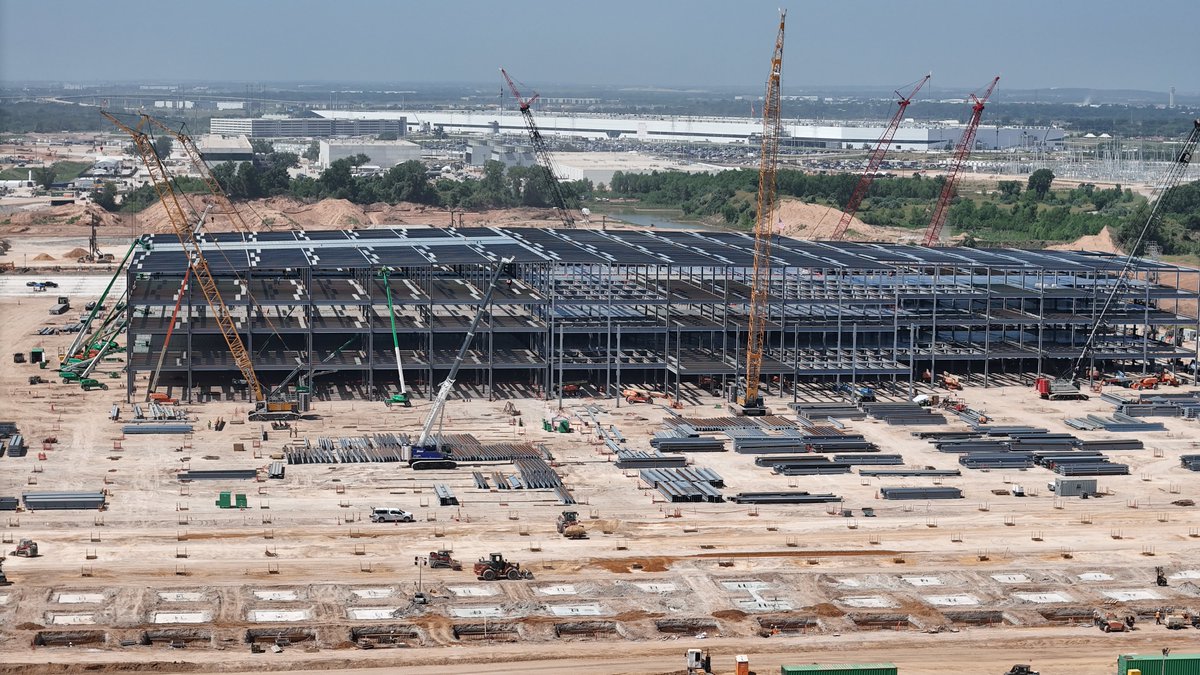
Analysts project Q2 2026 capital expenditure in the range of $6.59 billion to $6.7 billion for the quarter alone. Annualized, that puts Tesla on track for roughly $25 billion in full-year 2026 CAPEX — compared to $8.5 billion in 2025. That near-tripling of spend in a single year is the central tension of today's earnings: it signals enormous ambition, but it also means the company is consuming cash at a rate that demands scrutiny.
3. Free cash flow is expected to go negative for the first time in over two years
The elevated CAPEX has a direct consequence. Analysts forecast Tesla will report negative free cash flow of approximately $3.25 billion to $3.3 billion for Q2 2026 — which would mark its first cash burn in more than two years. That's not necessarily alarming in isolation; heavy infrastructure investment phases often produce temporary FCF dips. But it will be a talking point on the call, and management's framing of the timeline to positive FCF will matter to investors.
4. The cash balance provides a significant cushion
Tesla is expected to end the quarter with around $41 billion in cash, cash equivalents, and marketable securities. That war chest gives the company considerable runway to sustain its infrastructure buildout without needing to raise capital in the near term. For context, even at the projected Q2 burn rate, Tesla has years of operational runway — which is likely part of why management has been willing to accelerate spending so aggressively.
5. Revenue and EPS consensus points to a solid operating quarter underneath the spend
Wall Street consensus estimates Q2 2026 revenue between $25.9 billion and $26.4 billion, while Tesla's own company-compiled consensus sits higher at $27.584 billion. Non-GAAP EPS is expected in the $0.53–$0.55 range. Energy storage also had a standout quarter: Tesla deployed 13.5 GWh of storage products, more than 40% above Q2 2025 levels. The underlying business, in other words, is performing — the question is whether the infrastructure investment thesis holds up under analyst questioning tonight.
The earnings call at 5:30 p.m. ET is where the real detail emerges. Expect management to be pressed on the specific allocation of that CAPEX — how much is going to Optimus manufacturing capacity, how much to AI compute, and how much to Gigafactory expansion. The answer will shape how the market reads Tesla's near-term financials against its longer-term platform ambitions.
Related Gear
Gear up your Tesla with tested, custom-fit BASENOR accessories — shop Tesla accessories →
Sources & reporting notes
The links below identify the material source records used for this report.
- @JoeTegtmeyer on X (2026-07-22T14:01:55.000Z) — Direct source
Source links are preserved as published or accessed. See our editorial standards and corrections policy.
The BASENOR Editorial Desk covers Tesla, SpaceX, and related technology, curating reporting from primary sources — official accounts, regulatory filings, and software release data. Every article passes source-record and fact-checking review before publication. About the newsroom.
This report was curated by the BASENOR Editorial Desk from the sources listed above. Read our editorial standards or email editorial@basenor.com to report an error.