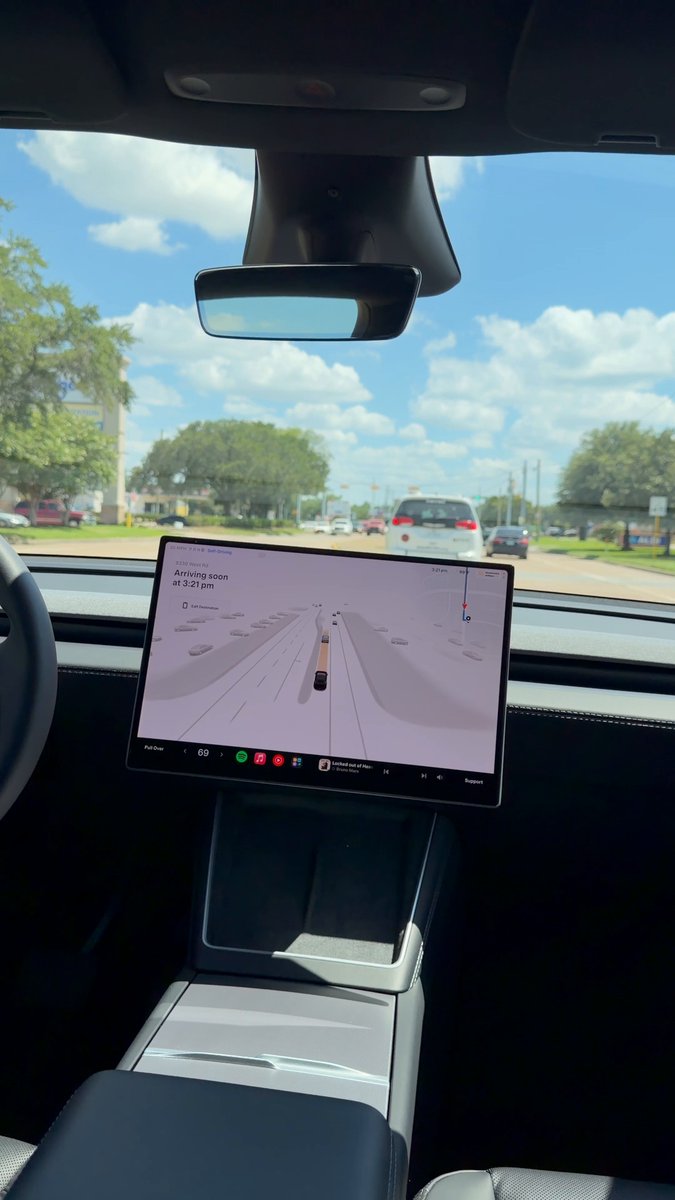
Tesla has quietly updated its unsupervised Model Y Robotaxis to remove the turn signal and hazard light sounds — a small but telling change that riders in the Austin fleet will notice immediately. Multiple observers flagged the update on July 27, and the reasoning behind it says more about Tesla's autonomous strategy than the tweak itself might suggest.

1. What Actually Changed
Tesla removed both the turn signal click and the hazard light sound from its Robotaxi fleet vehicles. These are the audible ticking sounds that, in a human-driven car, serve as a confirmation cue for the driver that the blinker is active. In an unsupervised autonomous vehicle with no driver to inform, that cue has no functional purpose — it's a holdover from a design built around human operation. The change applies specifically to the unsupervised Robotaxi configuration of the Model Y, not to standard consumer vehicles.
2. Why It Took This Long
The Robotaxi service launched with the same base software stack as a consumer Model Y, blinker sounds included. Stripping out features that exist for driver feedback — rather than passenger experience or safety — takes deliberate engineering prioritization. As Sawyer Merritt noted, leaving the turn signal sound on during unsupervised operation "didn't really make much sense," but these kinds of refinements tend to come after the core autonomous functionality is proven stable. The fleet is now mature enough that Tesla is iterating on the in-cabin experience layer.
3. The Vertical Integration Angle
Whole Mars Catalog framed this as a direct benefit of Tesla owning the entire product stack — hardware, software, and the fleet itself. Most automakers licensing autonomous technology from third parties would face contractual, regulatory, or technical friction to make a change like this. Tesla can push a software update to its own fleet vehicles and alter cabin behavior without navigating any of those barriers. It's a mundane example of a significant structural advantage.

4. What It Signals About Fleet Refinement Pace
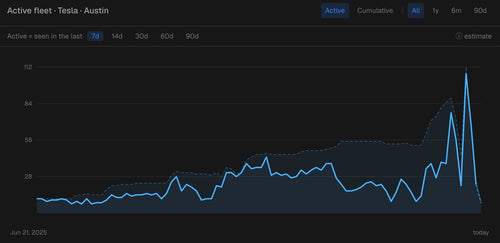
This is almost certainly not the last "vestigial" human-driver feature to be removed from Robotaxi vehicles. Turn signal sounds are the obvious first cut, but other driver-centric feedback elements — certain chimes, warnings designed for the person behind the wheel, or UI elements on the center screen that only matter when someone is actively driving — are all candidates for removal or replacement with passenger-relevant alternatives. The pace at which Tesla iterates on these details will be worth watching as the fleet scales beyond Austin.

The blinker sound removal won't make headlines the way a full FSD version drop does, but it's a useful signal: Tesla is actively rearchitecting the Robotaxi cabin experience from the ground up, not just running consumer software on a fleet vehicle. Expect more of these quiet subtractions — and eventually, deliberate additions built specifically for the passenger — as the service matures.
🚕 Following the Robotaxi rollout? See every operating city, launch date and announced market in our Tesla Robotaxi Tracker.
Related Gear
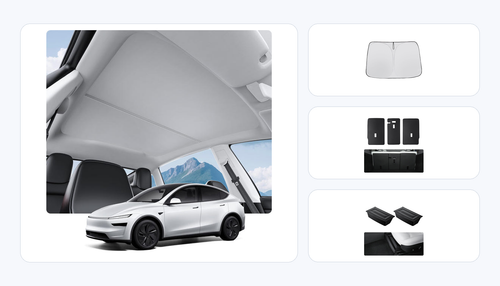
Gear up your Model Y with tested, custom-fit BASENOR accessories — shop Model Y accessories →
Sources & reporting notes
The links below identify the material source records used for this report.
- @SawyerMerritt on X (2026-07-27T21:36:29.000Z) — Direct source
- @wholemars on X (2026-07-27T21:55:21.000Z) — Direct source
- @TeslaNewswire on X (2026-07-27T21:55:42.000Z) — Direct source
Source links are preserved as published or accessed. See our editorial standards and corrections policy.
The BASENOR Editorial Desk covers Tesla, SpaceX, and related technology, curating reporting from primary sources — official accounts, regulatory filings, and software release data. Every article passes source-record and fact-checking review before publication. About the newsroom.
This report was curated by the BASENOR Editorial Desk from the sources listed above. Read our editorial standards or email editorial@basenor.com to report an error.