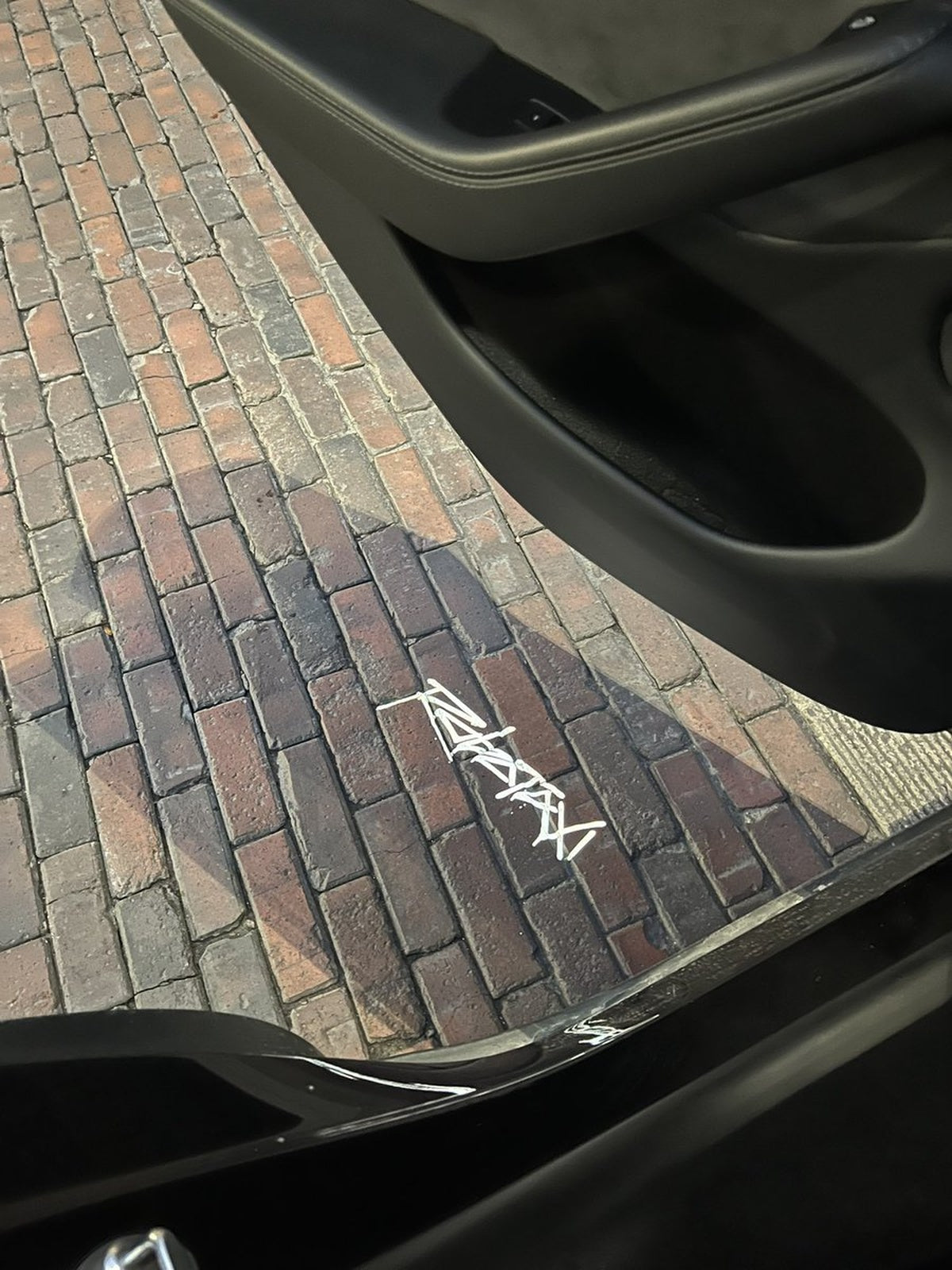
Spotted in Austin, Texas: Tesla's Robotaxi Model Y fleet is getting a new hardware addition. Puddle lights are now appearing on the rear doors of vehicles designated for autonomous ride-hailing service — a small but telling upgrade that points to how seriously Tesla is refining the passenger experience as the program scales.

1. What Was Actually Spotted
Observers in Austin caught Robotaxi-designated Model Y vehicles with puddle lights integrated into the rear door panels — a feature that projects illumination onto the ground when the door opens. This is a hardware-level addition, not a software toggle, meaning these units are being built or retrofitted specifically for fleet service. The sighting confirms Tesla is actively iterating on the physical configuration of its Robotaxi vehicles beyond just the software stack.
2. Why Puddle Lights on a Robotaxi Are Different
On a personally owned vehicle, puddle lights are a convenience and aesthetic touch. On a driverless Robotaxi, they serve a more functional role: illuminating the entry zone for passengers stepping into a car with no human driver present to assist. In low-light conditions — parking garages, night pickups, poorly lit streets — that ground projection could meaningfully reduce the chance of a passenger misstep. It's a detail that signals Tesla is designing the Robotaxi experience around the reality of truly unassisted boarding.
3. Where the Robotaxi Program Stands Right Now
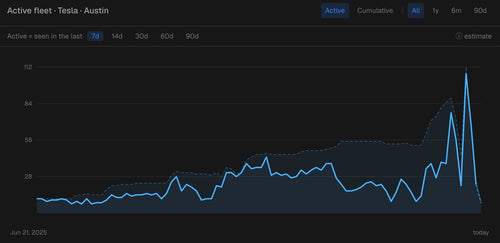
Austin has been the proving ground for Tesla's autonomous ride-hailing ambitions. The service launched there in June 2025 with human safety monitors aboard, transitioned to a limited unsupervised zone by January 2026, and according to background research, expanded to cover the entire Austin metro area in June 2026. That rapid progression from supervised to fully driverless across a whole metro in under a year sets the pace for what comes next. Tesla has also confirmed expansion to seven additional US cities — Dallas, Houston, Phoenix, Miami, Orlando, Tampa, and Las Vegas — meaning the fleet configuration being refined in Austin today will be replicated at significant scale.
4. What It Signals About Fleet Maturity
Hardware additions like puddle lights don't happen in isolation. They reflect a program moving from proof-of-concept toward a polished commercial product. When a company starts sweating the details of how a passenger's foot lands on the pavement, it suggests the core autonomy questions are settled enough that attention has shifted to the end-to-end ride experience. Combined with the aggressive city expansion timeline, this small sighting is a reasonable indicator that Tesla views the Robotaxi fleet as a near-term commercial reality, not an extended pilot.
The Austin fleet will continue to be the clearest window into how Tesla's Robotaxi hardware evolves before broader rollout. Each incremental change spotted there — software or physical — is worth tracking as the program moves toward its next expansion cities.
🚕 Following the Robotaxi rollout? See every operating city, launch date and announced market in our Tesla Robotaxi Tracker.
Related Gear
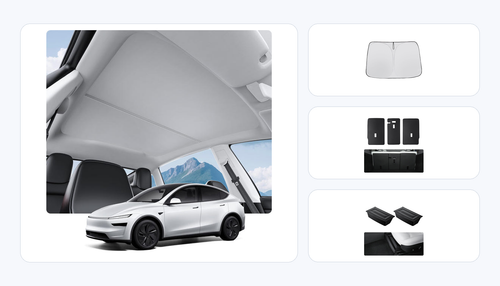
Gear up your Model Y with tested, custom-fit BASENOR accessories — shop Model Y accessories →
Sources & reporting notes
The links below identify the material source records used for this report.
- @TeslaNewswire on X (2026-07-15T04:09:58.000Z) — Direct source
Source links are preserved as published or accessed. See our editorial standards and corrections policy.
The BASENOR Editorial Desk covers Tesla, SpaceX, and related technology, curating reporting from primary sources — official accounts, regulatory filings, and software release data. Every article passes source-record and fact-checking review before publication. About the newsroom.
This report was curated by the BASENOR Editorial Desk from the sources listed above. Read our editorial standards or email editorial@basenor.com to report an error.