📌 UPDATE — September 9, 2026
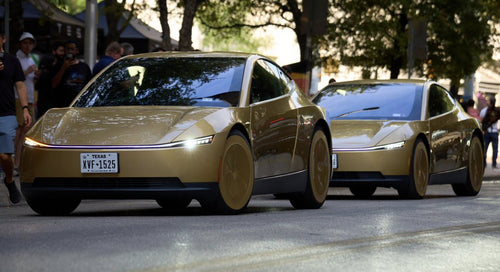
New real-world Cybercab data is in from a longer haul: Tesla reporter Joe Tegtmeyer completed a 19.4-mile Cybercab ride today, clocking in at approximately $1.41 per mile over 57 minutes — a notably longer trip than the 8-mile Model Y Robotaxi rides covered in our original analysis. Tegtmeyer noted the extended duration was likely influenced by heavy traffic and routing choices, which may have pushed the per-mile cost slightly higher than baseline. The ride was conducted while interviewing a prospective third-party fleet manager for the @robotaxi platform, offering an early window into how independent operators may eventually scale the service. At $1.41/mile, this Cybercab fare remains well below typical Uber pricing on comparable distances, reinforcing the cost-competitiveness case — though longer rides in congested conditions appear to narrow that gap somewhat compared to shorter urban trips.

Source: @JoeTegtmeyer via X, Sept 9 2026
📌 UPDATE — September 4, 2026
Fresh data from Tesla's Cybercab launch event confirms the robotaxi pricing advantage is even sharper with the dedicated Cybercab vehicle. Sawyer Merritt compared all three options on a single 15-minute ride: Uber came in at $21 (with tip), the Model Y robotaxi at $16.99, and the Cybercab at just $9.65 — 54% cheaper than Uber and 43% cheaper than the Model Y robotaxi covered in our original article. That puts the Cybercab's per-mile economics in a different league entirely.
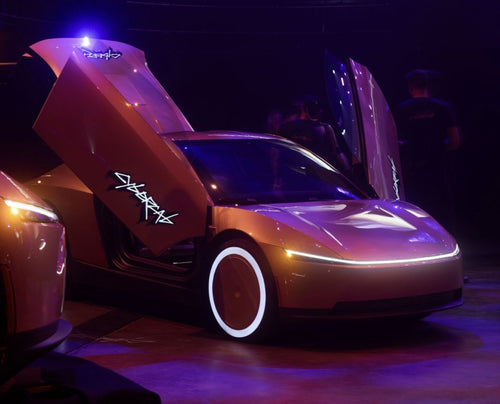
Beyond pricing, Joe Tegtmeyer's first-hand launch event footage highlights what makes the Cybercab experience distinct: a completely controlless interior (no steering wheel, pedals, or mirrors), a redesigned passenger UI, and Starlink integration for in-ride connectivity — none of which apply to the Model Y robotaxi units previously tested.

| Service | 15-min Ride Cost | vs. Uber |
|---|---|---|
| Uber | $21.00 | — |
| Model Y Robotaxi | $16.99 | −19% |
| Cybercab | $9.65 | −54% |
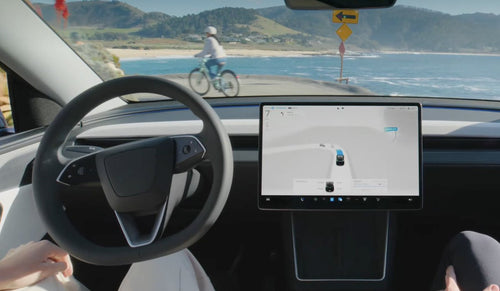
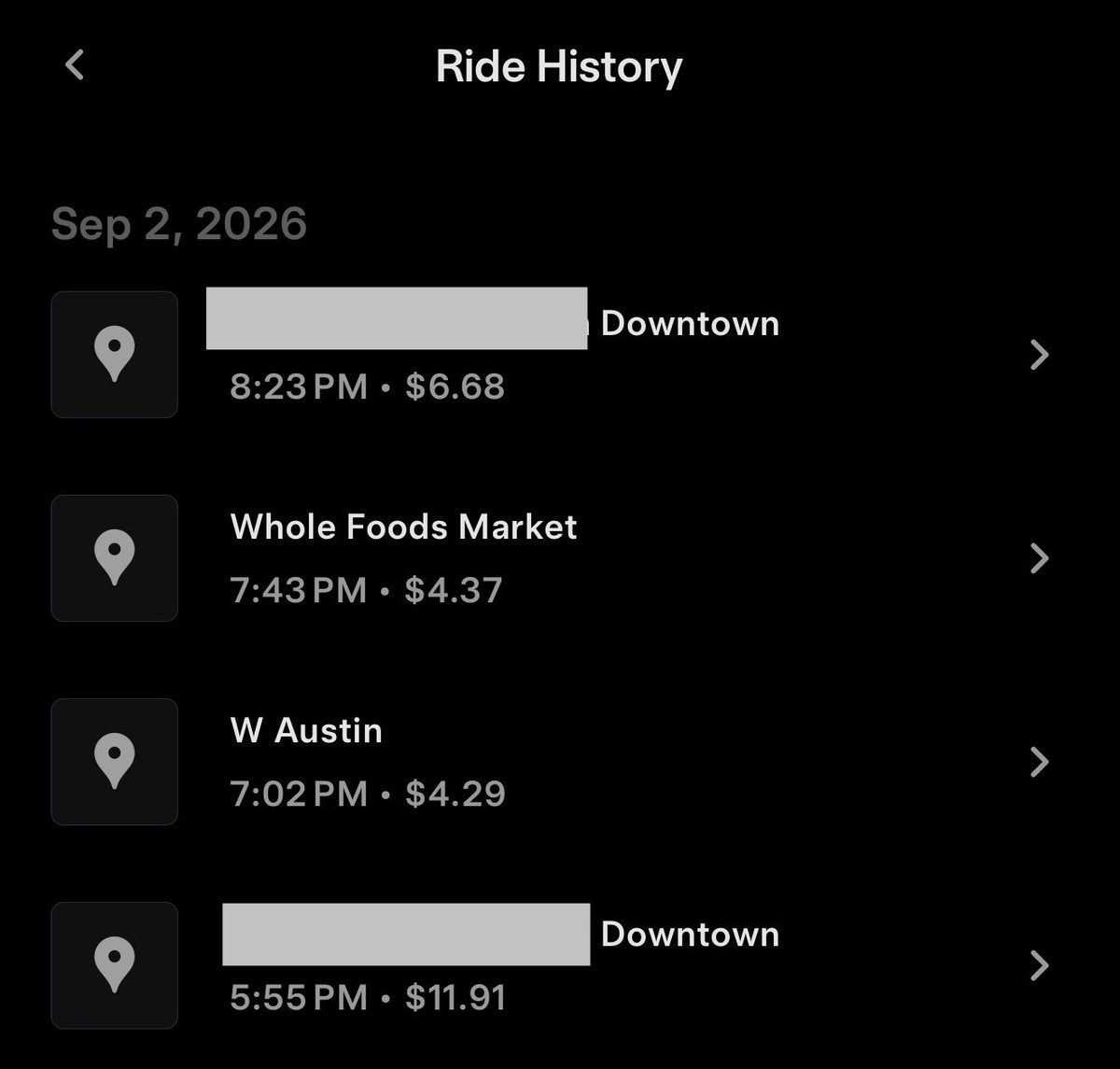
The Tesla Robotaxi program is no longer a concept demo. On September 3, 2026 — the same day Tesla unveiled the Cybercab in Austin — prominent Tesla community member Sawyer Merritt posted a side-by-side cost comparison that cuts through the marketing noise: four unsupervised Model Y Robotaxi rides across 50 minutes and 8 miles of travel cost him $27.25 combined. One 20-minute Uber ride that same day ran $33, tip included. The car, he noted, also smelled.
That's not a cherry-picked stat. It's a lived, same-day comparison from someone who used both services back-to-back — and the gap is significant enough to warrant a closer look at what the Robotaxi program is actually delivering on the ground.

Breaking Down the Numbers
| Metric | Tesla Robotaxi (×4 rides) | Uber (×1 ride) |
|---|---|---|
| Total cost | $27.25 | $33.00 |
| Total time | 50 minutes | 20 minutes |
| Total distance | 8 miles | Not specified |
| Driver present | No | Yes |
| Tip included | N/A | Yes |
At roughly $6.81 per Robotaxi ride on average, the per-trip cost is well below what most urban riders pay for a comparable Uber or Lyft trip once surge pricing and tips are factored in. The Uber fare Merritt cited — $33 for a single 20-minute ride — reflects the kind of pricing that has become routine in major cities, particularly during peak hours.
The Cybercab Context
The timing of Merritt's report is not coincidental. According to background research, Tesla officially unveiled the Cybercab on September 3, 2026, at an invite-only event in Austin, Texas. The Cybercab is a purpose-built two-seater with no steering wheel, no pedals, and no side mirrors — designed entirely around Tesla's camera-only FSD system running on AI4 hardware. It represents the long-term vision for Tesla's autonomous ride-hailing network.
But the Model Y Robotaxi rides Merritt took today are the bridge product — the proof that the underlying FSD system is already capable enough to run unsupervised commercial operations. Four rides, no safety driver, no incident. That's the data point that matters most right now, independent of whatever the Cybercab stage show delivers.

What the Market Is Actually Watching
The rideshare industry's structural vulnerability has always been driver cost — it typically accounts for the majority of what a passenger pays. Remove the driver entirely and the economics flip dramatically. Merritt's $27.25 for four rides suggests Tesla is pricing the service competitively rather than at a premium, which points toward a volume-first strategy: get riders habituated to the product before the Cybercab fleet scales up.
Whole Mars Catalog's brief reply — "typical rideshare experience" — captured the sentiment of anyone who has sat in a questionable Uber. It's a low bar, but it's the bar Tesla is clearing right now, and clearing it on price and cleanliness simultaneously is a meaningful early signal.
The bigger question isn't whether the Robotaxi can undercut Uber on a Tuesday in Austin. It's whether the operational reliability holds across weather conditions, edge-case traffic scenarios, and a much larger geographic footprint. Today's rides are a data point, not a verdict. But they're the kind of data point that tends to age well.
🚕 Following the Robotaxi rollout? See every operating city, launch date and announced market in our Tesla Robotaxi Tracker.
Related Gear
Gear up your Model Y with tested, custom-fit BASENOR accessories — shop Model Y accessories →
Sources & reporting notes
The links below identify the material source records used for this report.
- @SawyerMerritt on X (2026-09-03T03:06:08.000Z) — Direct source
- @wholemars on X (2026-09-03T03:40:47.000Z) — Direct source
Source links are preserved as published or accessed. See our editorial standards and corrections policy.
The BASENOR Editorial Desk covers Tesla, SpaceX, and related technology, curating reporting from primary sources — official accounts, regulatory filings, and software release data. Every article passes source-record and fact-checking review before publication. About the newsroom.
This report was curated by the BASENOR Editorial Desk from the sources listed above. Read our editorial standards or email editorial@basenor.com to report an error.