📌 UPDATE — March 7, 2026
The redesigned Tesla Semi is now officially undergoing winter testing in Alaska, confirmed directly by Tesla's official account and echoed by Elon Musk. This cold-weather validation phase is a key milestone ahead of mass production, which remains on track to begin in 2026. The dedicated Nevada factory is now reported to be mostly complete, accelerating confidence in the production timeline. Tesla's official post and Musk's confirmation signal the program is progressing without major delays.


📌 UPDATE — March 6, 2026
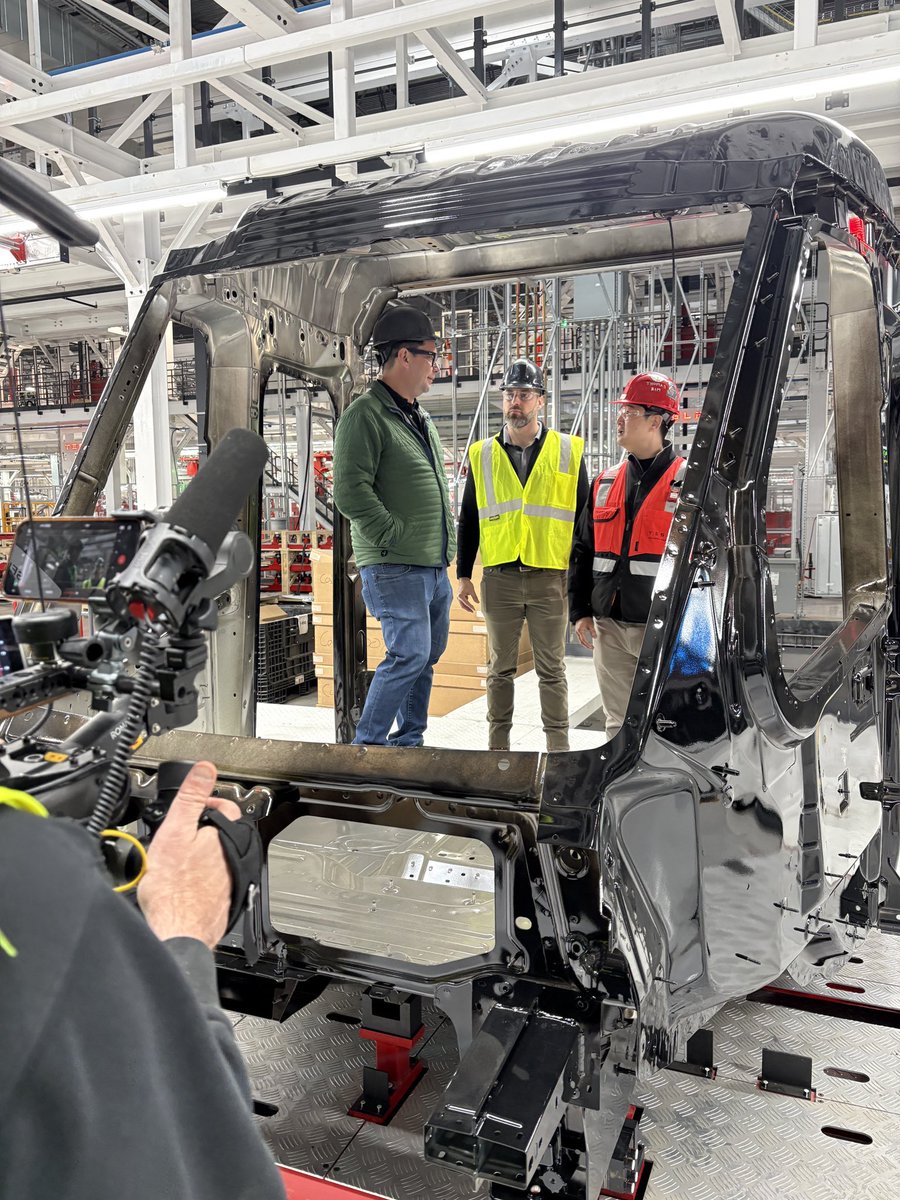
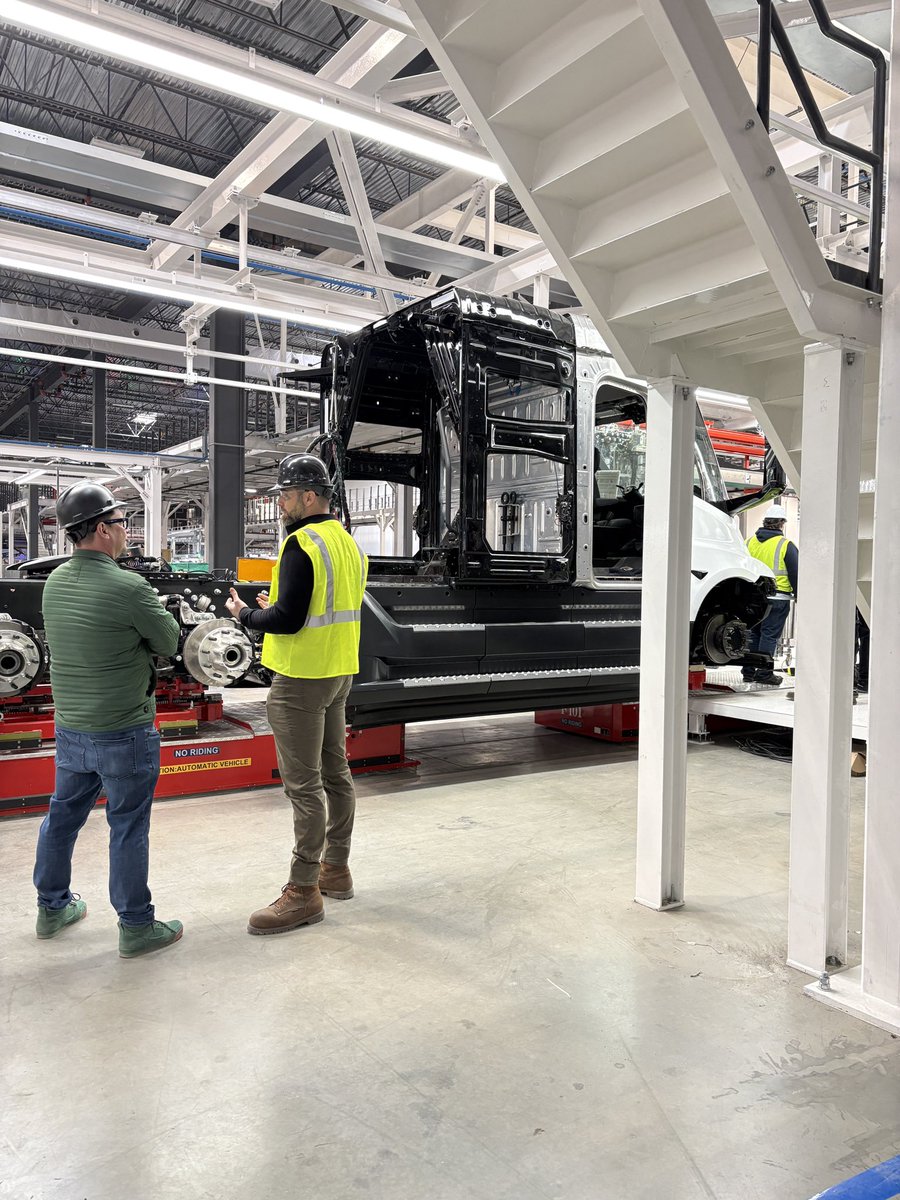
New images from Tesla's Reno, Nevada facility show the Tesla Semi on the production line for the first time, confirming the program has entered pilot production. This phase is used to validate tooling and manufacturing processes before full-scale mass production kicks off — a critical milestone that suggests the ramp to 50,000 trucks/year is now actively underway. Tesla has not made an official announcement, but the factory floor images, shared by @TeslaNewswire, provide the clearest evidence yet that commercial Semi production is imminent.
The Tesla Newswire @TeslaNewswire · Mar 6, 2026New pics from the Tesla Semi factory in Reno, Nevada show the Semi on the production line for the first time. This is likely pilot production, used to validate tooling ahead of mass production.

📌 UPDATE — March 6, 2026
Fresh images shared by @SawyerMerritt confirm Tesla Semi trucks are actively moving down the production line at the Nevada facility, providing the clearest visual evidence yet of ongoing serial manufacturing. The photos show multiple units at various stages of assembly, suggesting a structured, repeatable build process is now firmly underway — moving well beyond prototype or pre-production phases. This aligns with Tesla's push to ramp deliveries to fleet customers who have been waiting for expanded Semi availability.
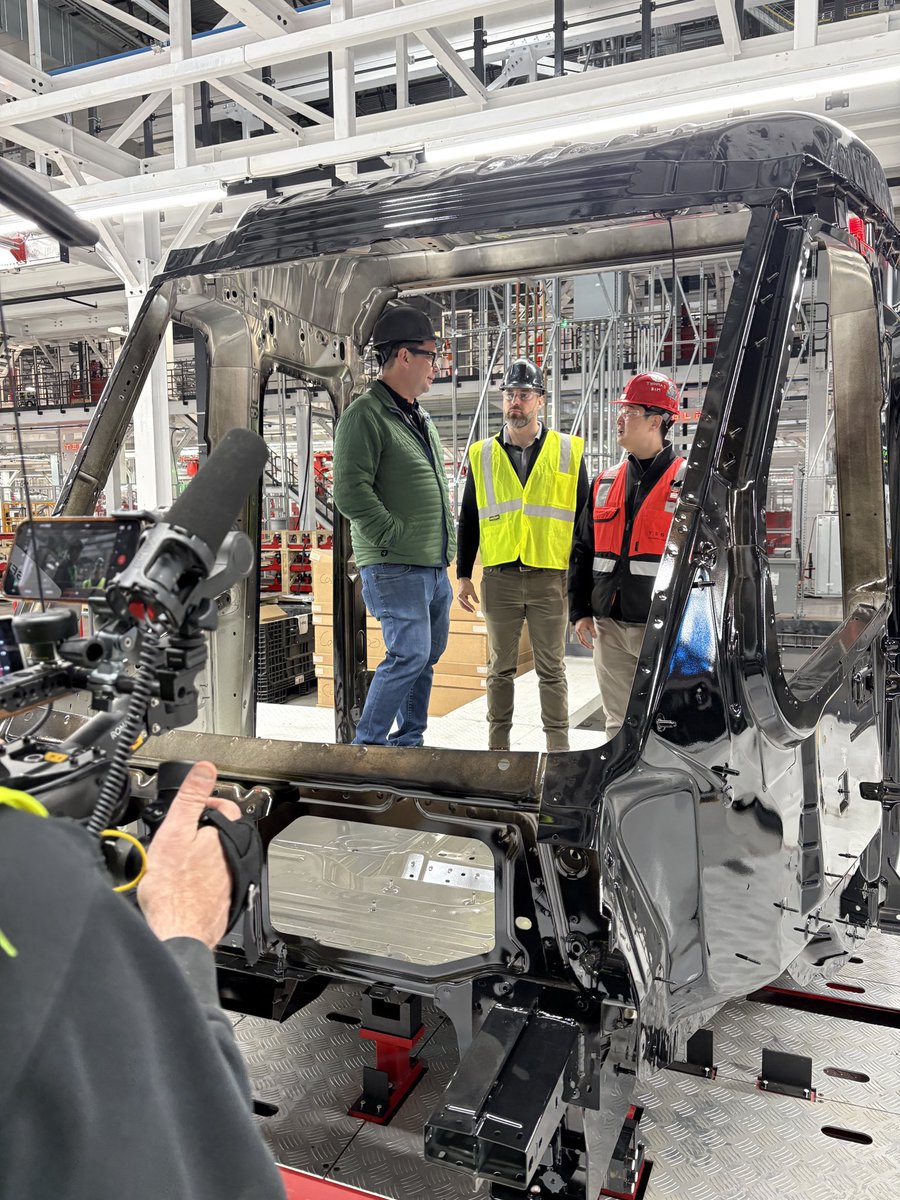
📌 UPDATE — March 5, 2026
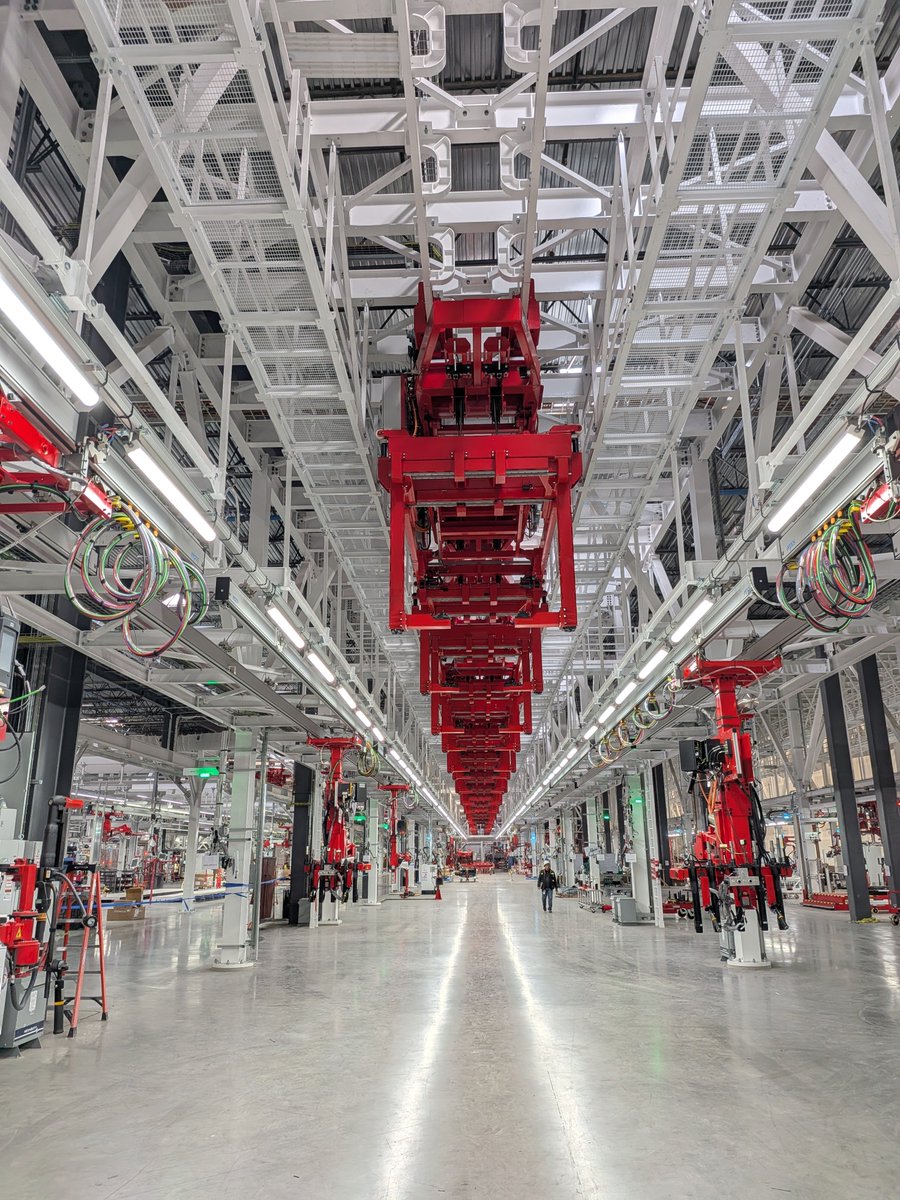
New interior images of the Tesla Semi factory in Reno, Nevada have surfaced, offering the clearest look yet at the facility's production floor. According to @TeslaNewswire, mass production is now expected to commence before the end of June 2026, giving Tesla a concrete mid-year target for ramping output. The photos reveal a facility that appears significantly further along than previously indicated, with equipment and assembly infrastructure visibly in place.
🔥 @TeslaNewswire · Mar 5, 2026
First look inside the new Tesla Semi factory in Reno, Nevada. Mass production is expected to begin before the end of June 2026.
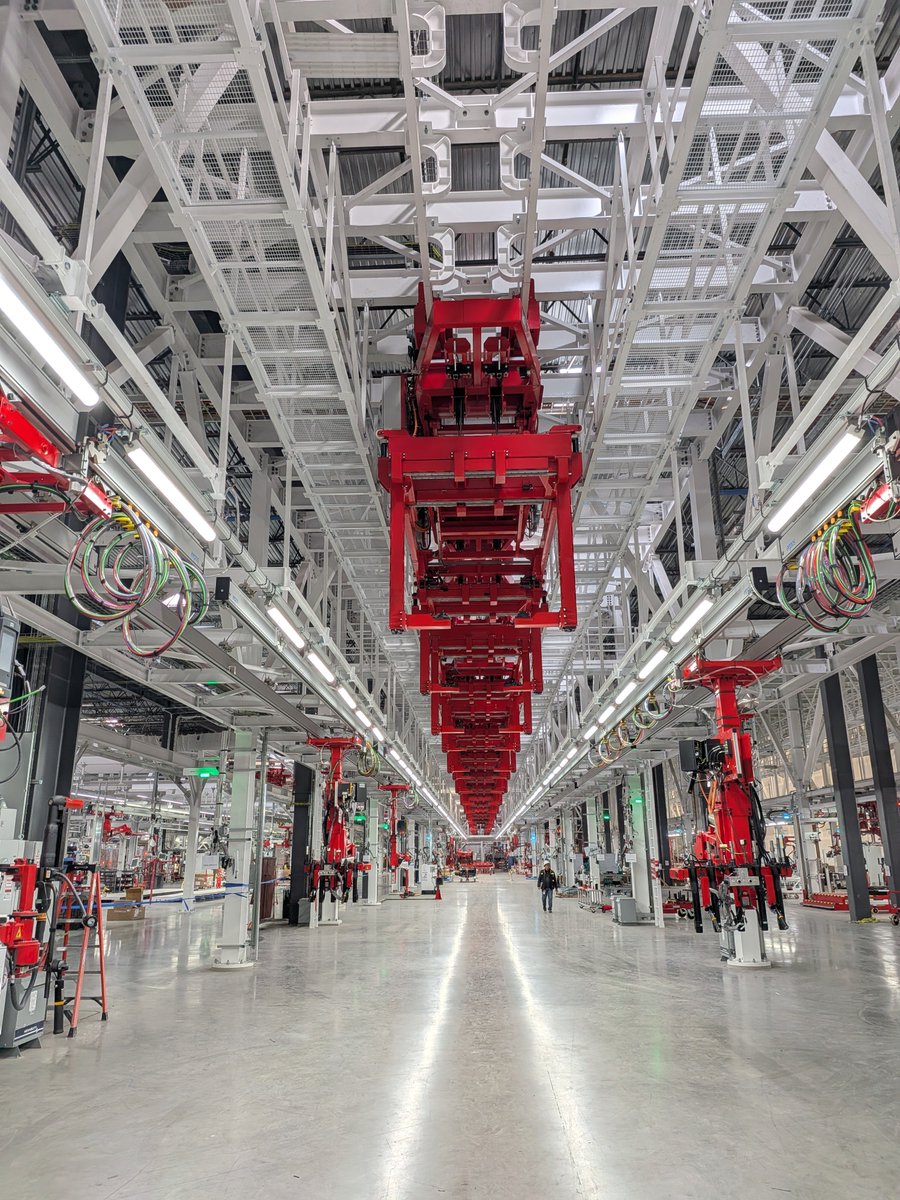
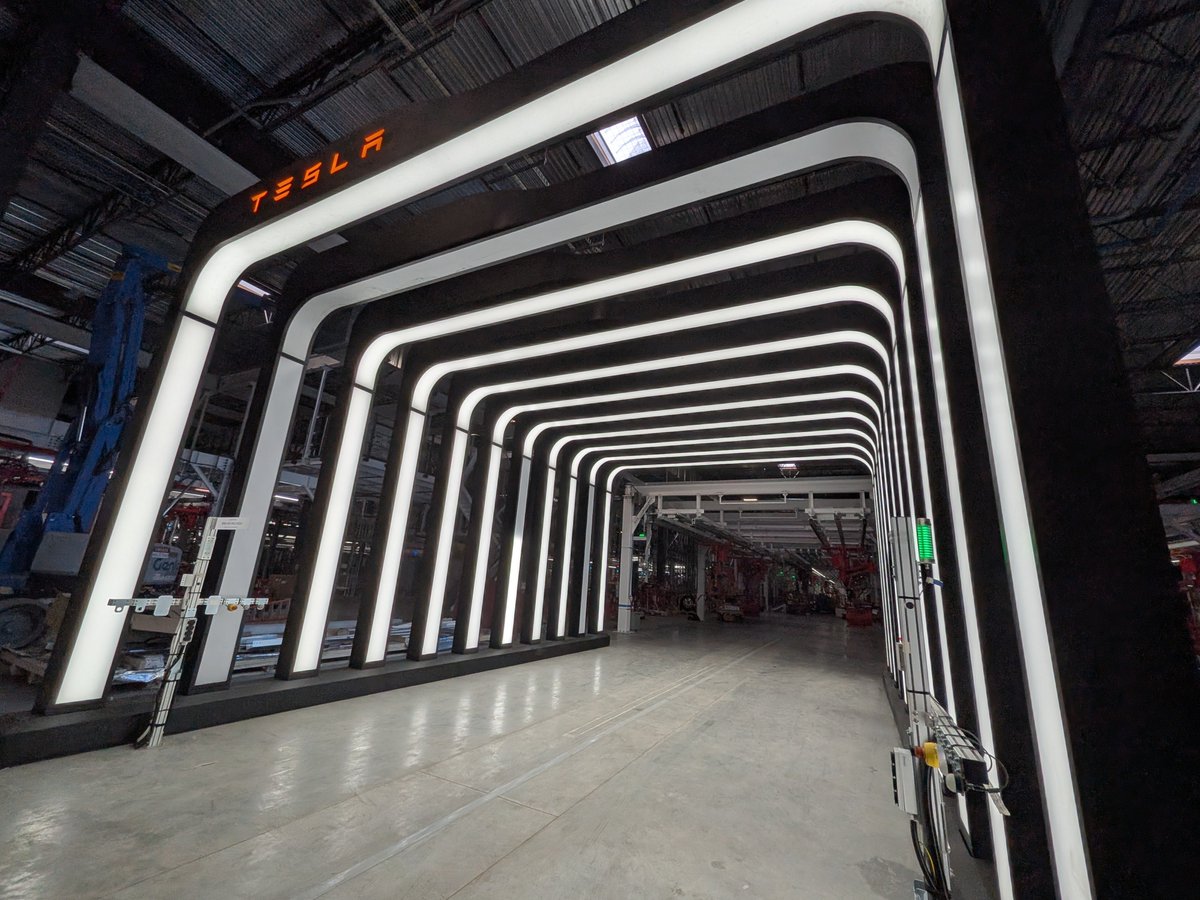
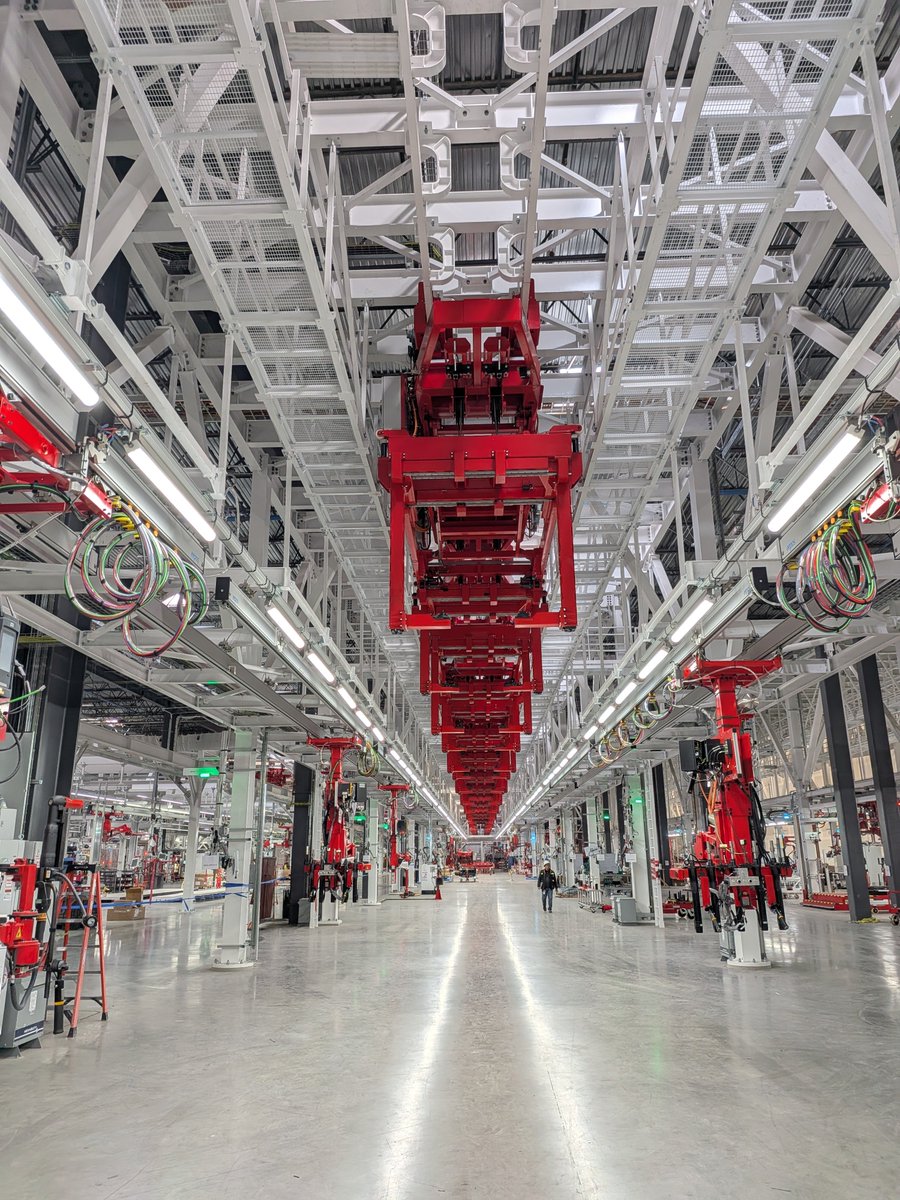
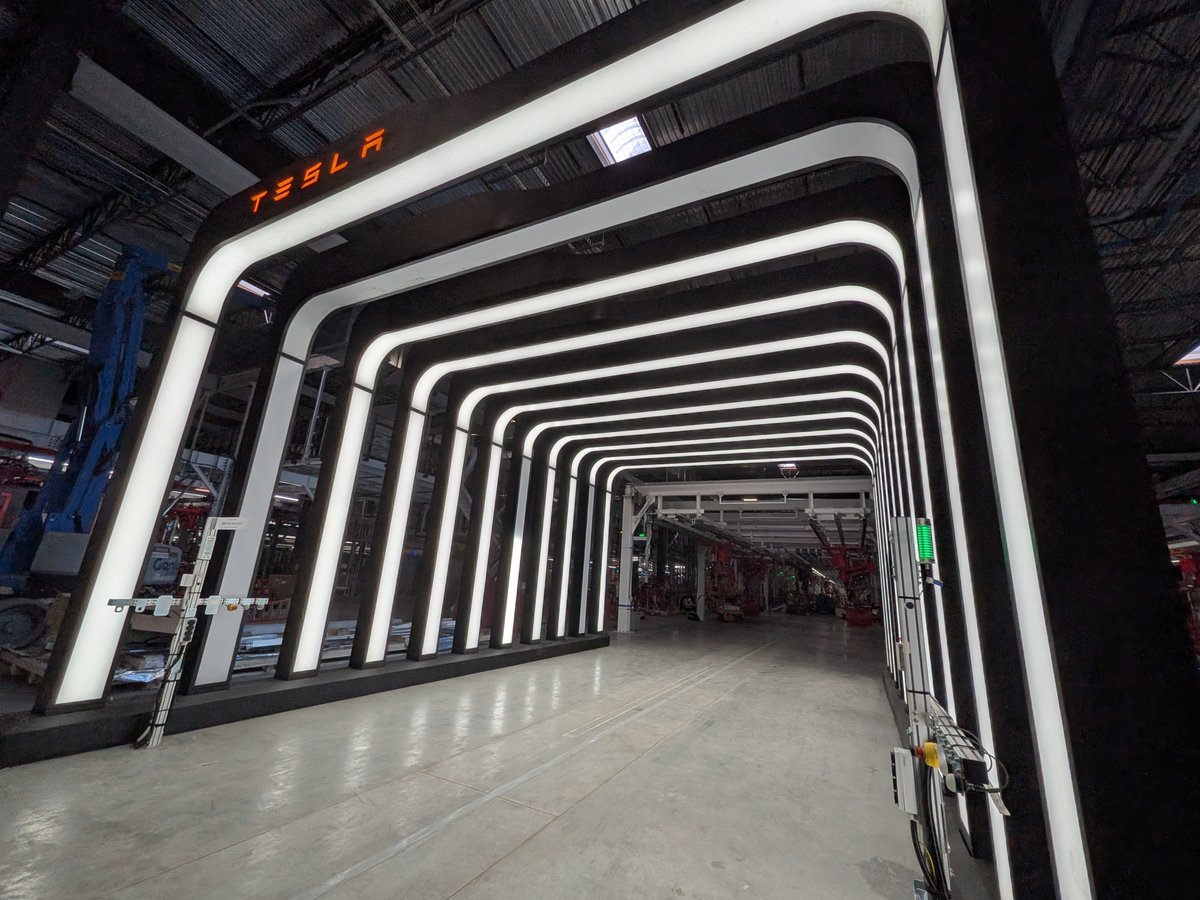
The News: First images of Tesla's brand-new dedicated Semi truck factory in Nevada have surfaced, signaling that volume production is imminent.
Why It Matters: At full ramp, this single factory is projected to produce 50,000 Semi trucks per year — a potential $13B+ annual revenue stream that could reshape Tesla's business beyond passenger vehicles.
Source: @SawyerMerritt on X
Tesla's Nevada Semi Factory Gets Its First Close-Up — And Production Is Almost Here
For years, the Tesla Semi has existed in a kind of limbo — debuted in 2017, delayed repeatedly, and delivered only in small pilot quantities. That era is ending. First images of Tesla's dedicated Semi production facility in Nevada show a factory that is clearly ready to build trucks at scale, and according to multiple reports, volume production kicked off in March 2026.

📊 Key Figures
| Metric | Value | Context |
|---|---|---|
| Annual Production Capacity (full ramp) | 50,000 units | Targeted for 2026 |
| Projected Annual Revenue | $13B+ | At full capacity |
| 500-Mile Version Range | Up to 500 mi | Fully loaded at 81,000 lbs |
| Energy Consumption | ~1.7 kWh/mile | At 36,000 kg GVWR |
| Pilot Units Delivered (to date) | ~200 | Including PepsiCo, DHL |
| MCS Charging Speed | Up to 1.2 MW | 70% charge in ~30 min |
| Planned MCS Corridor Sites | ~46 | Across major U.S. freight routes |
From Prototype to Production Floor
The new factory sits adjacent to Gigafactory Nevada — a deliberate choice that gives Tesla direct access to the battery cell supply chain it needs to build the Semi at scale. Construction advanced rapidly over recent months, with the building structure now complete and internal utilities installed. What the new images show is a facility that has crossed the line from construction site to operational factory.
Volume production is reported to have begun in March 2026, with initial assembly concentrated in the first half of the year and a full ramp-up expected through the second half. The target: 50,000 trucks annually by the time the factory hits its stride.
The Semi's Specs — What Buyers Are Actually Getting
Tesla will offer the Semi in two range configurations: approximately 300 miles and 500 miles. The 500-mile version is the headline product — capable of covering that distance fully loaded at 81,000 pounds gross vehicle weight, with an energy consumption rate of roughly 1.7 kWh per mile. The latest production units feature a reengineered battery pack using domestically sourced cells, which is significant both for supply chain resilience and potential pricing dynamics.
On pricing: original 2017 announcements pegged the 300-mile version at $150,000 and the 500-mile at $180,000. Trial customers have reportedly been paying closer to $250,000 per vehicle during the pilot phase. As production scales, pricing is expected to trend back toward those original targets — though no official updated pricing has been confirmed for volume production units.
Charging Infrastructure Is Growing With It
A truck with 500 miles of range is only useful if you can charge it efficiently on freight corridors. Tesla is building out its Megawatt Charging System (MCS) network in parallel, with roughly 46 sites planned along major U.S. freight routes. The MCS architecture delivers up to 1.2 megawatts of power — enough to restore 70% of the Semi's range in approximately 30 minutes using V4 technology. That charging speed is a genuine competitive differentiator for fleet operators evaluating total route economics.
Early Customers Already on the Road
Tesla hasn't waited for the factory to open before building a customer base. Approximately 200 Semi trucks have been delivered during the pilot phase, with PepsiCo and DHL Supply Chain among the named recipients. DHL received its first Semi in 2025 and has committed to adding more units in 2026. Hight Logistics took delivery of a production-ramp vehicle in March 2026, making them one of the earliest commercial operators of the new factory's output. Early production units are also being used internally by Tesla for its own logistics operations and data collection — a pattern consistent with how Tesla has historically validated new platforms before broader commercial rollout.
🔭 The BASENOR Take
Timeline: Volume production started March 2026 — full ramp expected by end of 2026.
Impact Level: 🔴 High — This is a new revenue category for Tesla, not an incremental improvement to an existing one.
Confidence: High — Factory images, customer deliveries, and multiple corroborating reports all point in the same direction.
The Semi has always been Tesla's most strategically interesting product for one simple reason: the commercial trucking market is enormous, and the economics of electric freight are compelling in a way that's easy to quantify. Diesel costs, maintenance intervals, driver retention — fleet operators run the numbers constantly, and a truck that costs less per mile to operate sells itself once the upfront price is right.
At 50,000 units per year and a conservative average selling price of $260,000, the math approaches $13 billion in annual revenue from a single product line. For context, that would represent a substantial new pillar of Tesla's business — one that runs entirely parallel to the passenger vehicle side and is largely insulated from consumer sentiment swings.
The infrastructure build-out is the piece that often gets overlooked. Tesla isn't just selling trucks — it's building the charging network those trucks depend on, which creates a recurring revenue opportunity and raises the barrier to entry for anyone trying to compete on the same corridors. The ~46 MCS sites planned along major freight routes aren't just a convenience feature; they're a moat.
For Tesla owners watching from the passenger vehicle side: a healthy, revenue-generating Semi business strengthens Tesla's overall financial position and funds continued investment in the platforms you already drive. The Semi's ramp is good news for the whole ecosystem.
Related Gear
Gear up your Tesla with tested, custom-fit BASENOR accessories — shop Tesla accessories →
Sources & reporting notes
The links below identify the material source records used for this report.
- @SawyerMerritt on X (2026-03-05T15:38:05.000Z) — Direct source
- @TeslaNewswire on X (2026-03-05T16:22:42.000Z) — Direct source
- @SawyerMerritt on X (2026-03-06T02:40:41.000Z) — Direct source
- @TeslaNewswire on X (2026-03-06T18:19:44.000Z) — Direct source
- @SawyerMerritt on X (2026-03-07T01:35:23.000Z) — Direct source
- @Tesla on X (2026-03-07T01:48:02.000Z) — Direct source
- @elonmusk on X (2026-03-07T01:57:02.000Z) — Direct source
Source links are preserved as published or accessed. See our editorial standards and corrections policy.
The BASENOR Editorial Desk covers Tesla, SpaceX, and related technology, curating reporting from primary sources — official accounts, regulatory filings, and software release data. Every article passes source-record and fact-checking review before publication. About the newsroom.
This report was curated by the BASENOR Editorial Desk from the sources listed above. Read our editorial standards or email editorial@basenor.com to report an error.