Tesla's Asia Pacific Supercharger network added six new stations in a single week, with all of them landing in China — and a planned site in Malaysia signaling continued expansion into Southeast Asia. The data, tracked by supercharge.info, reflects a steady drumbeat of infrastructure investment across the region as Tesla works to keep charging density ahead of its growing fleet.
Network Changes This Week — Asia Pacific
Source: supercharge.info — week of October 22, 2026
Where the New Stations Are
All six openings this week are in China, spread across five cities. The mix of hotel and commercial-center locations is deliberate — Tesla has long favored sites where drivers are already spending time, reducing the psychological friction of charging stops.
| Location | Site | Status |
|---|---|---|
| Haining, China | Guanglong Fortune Center | Open |
| Shanghai, China | Hanbin New Energy | Open |
| Linyi, China | All Seasons Hotel (Linyi Mall Branch) | Open |
| Wenling, China | Yage International Hotel | Open |
| Shanghai, China | Wyndham Nanxiang Hotel | Open |
| Tianjin, China | Ocean LeDi Port | Open |
| Ampang, Malaysia | — | Planned |
Shanghai accounts for two of the six openings — a reflection of both the city's density and Tesla's continued effort to close coverage gaps in China's most competitive EV market. The Hanbin New Energy site name is also notable: it suggests a co-location or partnership with a local energy operator, a model Tesla has used elsewhere to accelerate site permitting and construction.
Malaysia: A Foothold Grows
The single planned site in Ampang — a suburb of Kuala Lumpur — fits neatly into Tesla Malaysia's stated expansion roadmap. According to paultan.org, as of October 1, 2026, Tesla Malaysia's network stood at 21 Supercharger stations with 92 chargers, alongside 18 Destination Charging sites. The company has publicly committed to adding six more charging sites before year-end, targeting Kuala Lumpur, Selangor, Perak, Negeri Sembilan, and Penang. Ampang sits within the Selangor/KL metro corridor, making it a logical next pin on the map.
Southeast Asia has historically lagged behind China and Australia in Supercharger density, but the pace of planned additions suggests Tesla is treating the region as a priority ahead of broader Model 3 and Model Y fleet growth there.
The Broader Asia Pacific Picture
These seven changes sit within a larger regional push. In South Korea, Tesla is working through a program to install chargers at 21 highway rest-area locations selected by the Korea Expressway Corporation — part of a plan that could eventually reach 30 highway Supercharger sites, according to driveteslacanada.ca. None of those Korean sites appear in this week's changes, meaning they are still in construction or permitting phases.
In Australia, Tesla submitted plans in mid-October for a 37-stall Supercharger hub in Albury — potentially the country's largest EV charging site — featuring V4 chargers and solar canopies. Australia's network crossed 1,000 total charging stalls back in June 2026, and this proposed hub would represent a meaningful step-change in single-site capacity.
Taken together, the week's data points to a network that is expanding on multiple fronts simultaneously: filling urban density gaps in China, building out the Southeast Asian backbone, and laying groundwork for high-capacity corridor charging in markets like Australia and South Korea. The China-heavy opening count this week is typical — Gigafactory Shanghai's output means the local fleet grows faster than anywhere else in the region, and infrastructure investment tends to follow fleet density closely. For owners in Malaysia and Southeast Asia, the Ampang planned site is a small but concrete signal that the coverage map is about to get a little less sparse. Keep an eye on the charging news feed for confirmation when that site moves to open status.
Related Gear
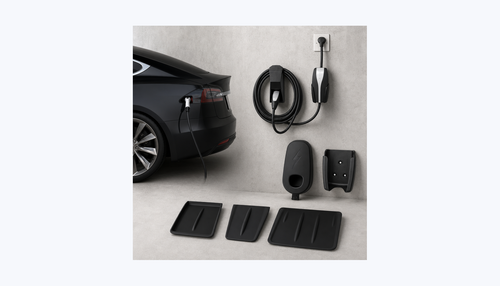
Gear up your Tesla with tested, custom-fit BASENOR accessories — shop Tesla accessories →
Sources & reporting notes
The links below identify the material source records used for this report.
- SUPERCHARGER — Collected source record
Source links are preserved as published or accessed. See our editorial standards and corrections policy.
The BASENOR Editorial Desk covers Tesla, SpaceX, and related technology, curating reporting from primary sources — official accounts, regulatory filings, and software release data. Every article passes source-record and fact-checking review before publication. About the newsroom.
This report was curated by the BASENOR Editorial Desk from the sources listed above. Read our editorial standards or email editorial@basenor.com to report an error.