📌 UPDATE — March 15, 2026
Tesla's FSD outreach is extending well beyond the Austin popup. Reporter Sawyer Merritt shared that Tesla brought a Model Y to a separate community event and used it to shuttle approximately 200 people on FSD (Supervised) to and from a parking lot over six hours. Merritt noted it appeared to be the first time most attendees had ever experienced FSD firsthand — underscoring Tesla's broader push to get the technology in front of everyday consumers, not just enthusiasts.

📣 @SawyerMerritt · March 15, 2026 — 597 likes · 16K views
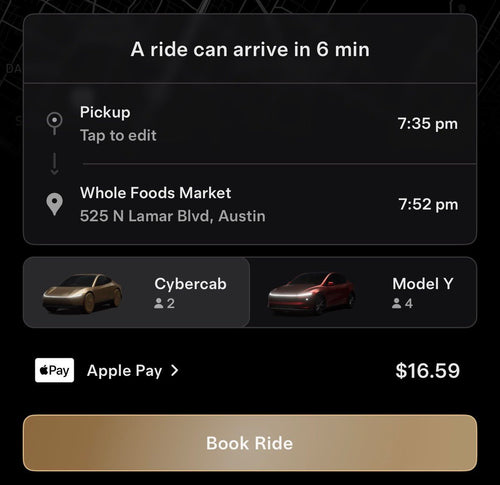
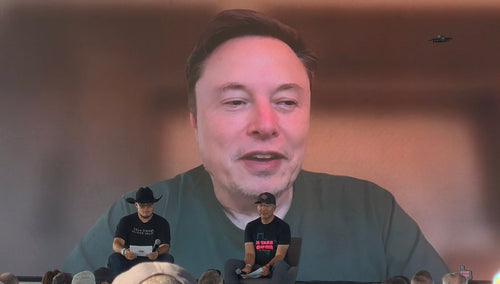
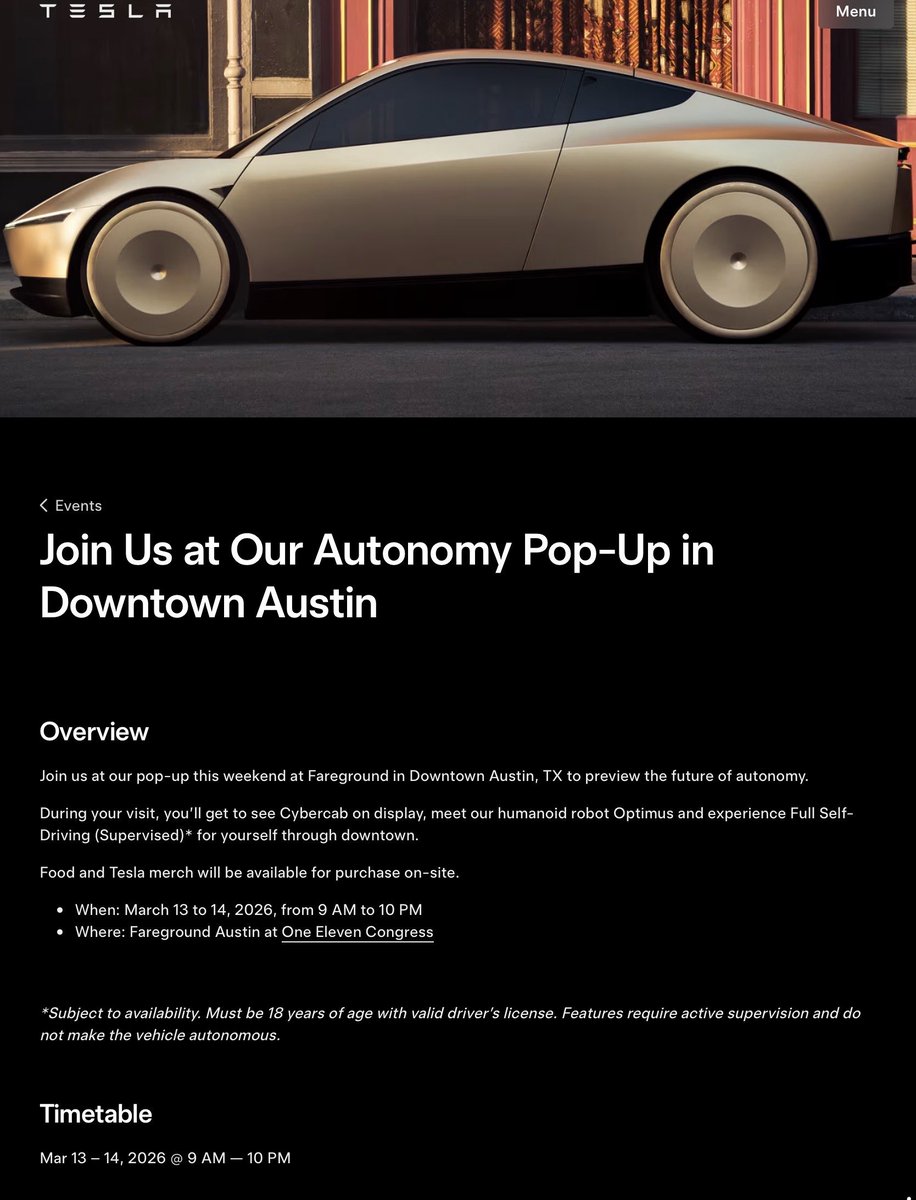
The News: Tesla is running a live two-day autonomy popup event in downtown Austin, showcasing Cybercab prototypes, Optimus, and Full Self-Driving demos — open to the public through March 14, 2026.
Why It Matters: This is one of the most accessible public showings of the Cybercab to date, giving everyday owners and curious observers a firsthand look at Tesla's autonomous future before commercial launch.
Source: @JoeTegtmeyer on X
Tesla Takes the Cybercab to the Streets of Austin
Tesla is making a bold public statement this week. The company has set up a two-day autonomy popup event at Foreground Austin in downtown Austin, Texas — and the display is anything but low-key. Cybercab prototypes, a live Optimus humanoid robot serving drinks, and real Full Self-Driving demonstrations are all on the floor, accessible to anyone who shows up.
The event kicked off March 13, 2026, and runs through March 14. If you're in Austin, this is a rare opportunity to get up close with hardware that hasn't yet hit public roads at scale.

What's Actually on Display
Based on firsthand reporting from the event floor, here's what Tesla has brought to Austin:
- Cybercab prototypes — The purpose-built robotaxi is the centerpiece. The two-seat EV features butterfly-wing doors, no steering wheel, no pedals, and no side mirrors. According to verified specs, the interior includes a 20.5-inch display and generous legroom — designed from the ground up for a passenger, not a driver.
- Optimus humanoid robot — Tesla's bipedal robot is on-site and actively serving drinks to attendees. This is a notable public deployment of Optimus in an interactive, real-world context.
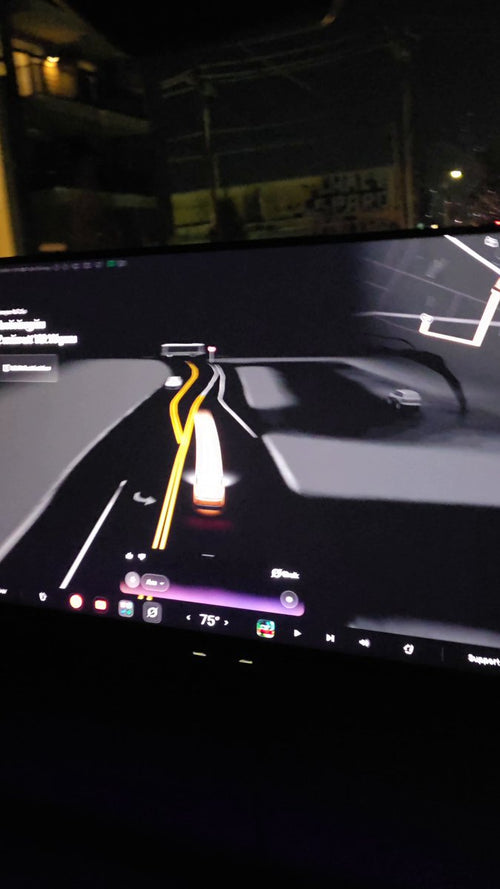
- Full Self-Driving (Supervised) demos — Attendees can experience Tesla's FSD software in action, giving a tangible sense of where the autonomy stack stands today. For more on our FSD coverage, see our full archive.
📊 Key Figures
| Detail | Info |
|---|---|
| Event Dates | March 13–14, 2026 |
| Location | Foreground Austin, Downtown Austin, TX |
| Cybercab Seating | 2 seats, purpose-built for driverless operation |
| Cybercab Display | 20.5-inch interior screen, butterfly-wing doors |
| Controls | No steering wheel, no pedals, no side mirrors |
| Also Featured | Optimus robot (live, serving drinks), FSD demos |
🔭 The BASENOR Take
Timeline: Active now — March 13–14, 2026
Impact Level: 🟡 Medium — Public awareness event, not a commercial launch
Confidence: ✅ High — Firsthand eyewitness reporting, corroborated by verified background sources
Tesla doesn't do popup events casually. The choice of Austin — where Tesla's Gigafactory and HQ are based — is deliberate. This is home turf, and the company is using it to build local momentum and public familiarity with hardware that most people have only seen in renders or stage reveals.
The Optimus deployment is worth watching closely. Serving drinks at a public event is a controlled but genuine real-world task. It's a far cry from warehouse automation, and it signals Tesla is comfortable enough with Optimus's reliability to put it in front of a live, unpredictable crowd.
For current Tesla owners, the FSD demos are the most immediately relevant element. Seeing the software navigate real Austin streets — not a controlled track — gives context to what's already in your car today and where it's heading. The Cybercab, meanwhile, represents the logical endpoint of that software journey: a vehicle where the autonomy stack IS the product, and the human driver is simply removed from the equation.
📰 Deep Dive
The Cybercab's design philosophy is a clean break from every Tesla that came before it. There's no steering wheel to grab in an emergency, no pedals to override with your foot. Tesla is betting that its AI-driven autonomy stack is reliable enough to operate without any mechanical fallback for the human occupant. That's not just a product decision — it's a regulatory and philosophical statement about where the company believes autonomous driving technology stands right now.
Public events like this one serve multiple purposes simultaneously. They generate organic media coverage, they let Tesla collect real-world feedback from people who interact with the hardware for the first time, and they normalize the idea of stepping into a car with no driver controls. That normalization process is arguably just as important as the engineering work itself — public trust in autonomous vehicles has to be built incrementally, and hands-on demos in a familiar city environment are one of the most effective tools available.
The inclusion of Optimus alongside the Cybercab is also strategically smart. Tesla is framing both as part of the same broader vision: intelligent, autonomous systems that handle tasks humans currently do themselves. Whether it's driving a passenger across town or handing someone a drink, the underlying message is consistent. Austin residents walking through Foreground this week are getting a preview of what Tesla's product roadmap looks like in physical form — not on a keynote slide, but in front of them, moving and operating in real time.
🚕 Following the Robotaxi rollout? See every operating city, launch date and announced market in our Tesla Robotaxi Tracker.
🤖 Tracking Tesla's humanoid robot? See every Optimus production milestone and appearance in our Tesla Optimus Tracker.
Related Gear
Gear up your Tesla with tested, custom-fit BASENOR accessories — shop Tesla accessories →
Sources & reporting notes
The links below identify the material source records used for this report.
- @JoeTegtmeyer on X (2026-03-13T17:30:47.000Z) — Direct source
- @SawyerMerritt on X (2026-03-15T01:15:33.000Z) — Direct source
Source links are preserved as published or accessed. See our editorial standards and corrections policy.
The BASENOR Editorial Desk covers Tesla, SpaceX, and related technology, curating reporting from primary sources — official accounts, regulatory filings, and software release data. Every article passes source-record and fact-checking review before publication. About the newsroom.
This report was curated by the BASENOR Editorial Desk from the sources listed above. Read our editorial standards or email editorial@basenor.com to report an error.