30-Second Brief
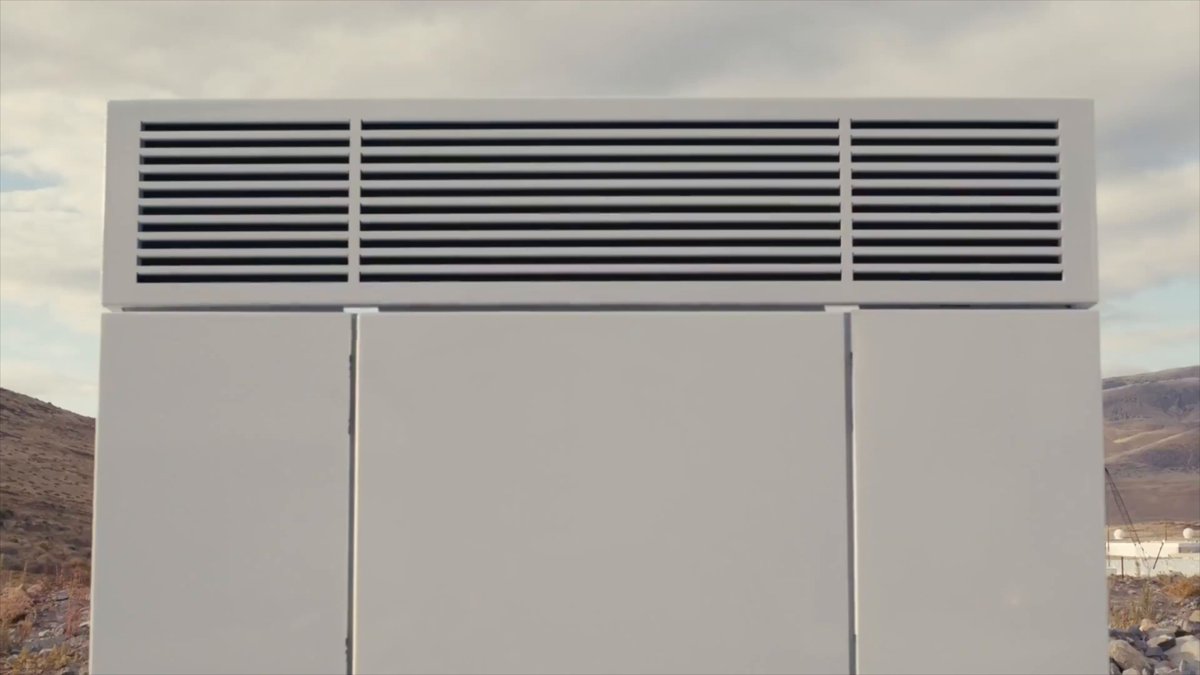
The News: Tesla has stood up a new automated production line at its Gigafactory New York in Buffalo, dedicated to manufacturing V4 cabinets — the hardware backbone of its expanding Supercharger and energy infrastructure.
Why It Matters: V4 Supercharger deployment has been constrained by cabinet supply; automation in Buffalo signals Tesla is removing that bottleneck, which could meaningfully accelerate both Supercharger rollout and Tesla Energy deployments.
Source: @wholemars on X
Tesla's Buffalo Gigafactory Gets a New Automated V4 Cabinet Line — And It Could Change Everything for Supercharger Expansion
Tesla's Gigafactory New York in Buffalo has quietly taken a significant manufacturing step forward. According to Whole Mars Catalog, a well-connected Tesla observer, the facility has brought online a new automated production line specifically dedicated to V4 cabinets — and the expectation is that output is about to accelerate considerably.

📊 What's Happening in Buffalo
Gigafactory New York has been Tesla's North American hub for Supercharger hardware production since the facility pivoted away from solar panel manufacturing. The plant has now made another generational leap: V3 cabinet production has been discontinued in favor of the newer V4 architecture, and the new line is automated — meaning less manual labor, faster cycle times, and more consistent output quality.
V4 Supercharger cabinets are the core power delivery units behind Tesla's latest charging stalls, which offer up to 500 kW of peak output — roughly double what V3 hardware delivers. Every V4 Supercharger station that opens depends on these cabinets coming out of Buffalo. If the line was previously a constraint, automation is the fix.
📋 V3 vs V4 Cabinet: What Changed
| Attribute | V3 Cabinet | V4 Cabinet |
|---|---|---|
| Peak Output | Up to 250 kW | Up to 500 kW |
| Stall Design | Side-by-side shared power | Dedicated per-stall power |
| Magic Dock (CCS) | Select units only | Standard on new deployments |
| Production Status (Buffalo) | Discontinued | Active — now automated |
🔭 The BASENOR Take
Timeline: Automated line operational as of March 2026
Impact Level: 🟠 High — directly affects Supercharger expansion pace across North America
Confidence: Medium-High — sourced from a credible Tesla observer with a strong track record; not yet confirmed by Tesla officially
The Supercharger network's expansion rate has never been purely a question of money or land — it's been a manufacturing and logistics puzzle. Cabinets are the long-lead item. Sites can be permitted and stalls installed in weeks, but if the cabinet supply chain is thin, stations sit incomplete. Automation at Buffalo directly addresses that constraint.
This also signals something broader about Tesla's manufacturing philosophy: the same principles that made Gigafactory Texas and Gigafactory Shanghai so productive — aggressive automation, reduced human touchpoints, higher throughput — are now being applied to infrastructure hardware, not just vehicles. That's a maturation of Tesla's approach to its energy and charging divisions.
For non-Tesla EV owners who charge on the Supercharger network via NACS adapters or Magic Dock, this is equally good news. More V4 stations coming online faster means less congestion at existing sites and better coverage in underserved corridors.
📰 Deep Dive
Buffalo's Gigafactory has had an interesting evolution. Originally built to produce solar panels for SolarCity, the facility gradually shifted focus toward Supercharger hardware as Tesla's energy ambitions scaled. The decision to automate V4 cabinet production there — rather than outsource or shift production elsewhere — suggests Tesla views Buffalo as a long-term, strategic manufacturing site, not a transitional one.
Automation in cabinet manufacturing is non-trivial. These are high-voltage, precision-engineered enclosures with complex internal wiring, thermal management systems, and power electronics. The fact that Tesla has built an automated line for them suggests the V4 design has been sufficiently standardized and refined to support repeatable, robotic assembly — a meaningful engineering milestone in itself.
The timing also aligns with Tesla's broader push to densify the Supercharger network ahead of what is expected to be a significant increase in EVs on the road — both Teslas and non-Tesla vehicles accessing the network through NACS adoption by other automakers. Demand for V4 stalls is only going up. Getting the supply side right now is exactly the right move. For owners who've been watching their local V4 station open slowly or seen construction stall mid-build, this automated line in Buffalo may be the upstream reason things start moving faster in the months ahead.
Related Gear
Gear up your Tesla with tested, custom-fit BASENOR accessories — shop Tesla accessories →
Sources & reporting notes
The links below identify the material source records used for this report.
- @wholemars on X (2026-03-20T00:07:38.000Z) — Direct source
Source links are preserved as published or accessed. See our editorial standards and corrections policy.
The BASENOR Editorial Desk covers Tesla, SpaceX, and related technology, curating reporting from primary sources — official accounts, regulatory filings, and software release data. Every article passes source-record and fact-checking review before publication. About the newsroom.
This report was curated by the BASENOR Editorial Desk from the sources listed above. Read our editorial standards or email editorial@basenor.com to report an error.