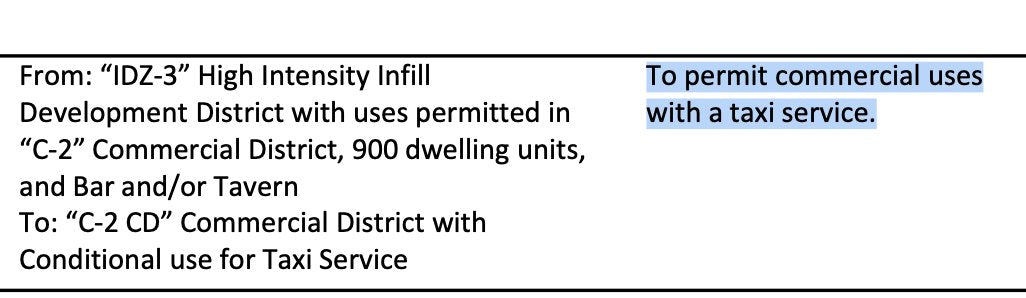
Tesla has cleared a significant regulatory hurdle in San Antonio, Texas, moving one step closer to building out dedicated charging infrastructure for its private Robotaxi fleet. The San Antonio Zoning Commission voted 8-2 on July 21 to recommend approval of the facility — but the story has more layers than the headline suggests.

1. This Is Not a Public Supercharger Station
The facility at 245 and 257 W. Josephine St. is purpose-built for Tesla's private autonomous fleet — not for Model 3, Model Y, or any other owner-operated vehicle. If you're a Tesla driver in San Antonio hoping for another charging option, this won't help you. The 56 stalls are reserved exclusively for Robotaxis returning to charge between rides, which is a fundamentally different operational model from the public Supercharger network.
2. The Zoning Commission Voted 8-2 — But City Council Has the Final Word
An 8-2 recommendation from the Zoning Commission is a strong signal, but it's not the finish line. The San Antonio City Council must still hold a final vote on the rezoning request, and no date has been set for that hearing. According to the San Antonio Express-News, the commission's recommendation carries weight but the council is under no obligation to rubber-stamp it. Watch for the council calendar in the coming weeks.
3. The Location Is Adjacent to a School
The proposed site sits next to Nathaniel Hawthorne Academy, a detail that will almost certainly surface in the City Council debate. Proximity to a school doesn't automatically block approval, but it tends to generate community comment periods and additional scrutiny around traffic patterns, noise, and lighting. Tesla will likely need to address those concerns before the council vote proceeds smoothly.

4. 56 Stalls Suggests a Meaningful Fleet Size
Charging depot capacity is typically sized to support overnight or off-peak charging for the full active fleet, plus buffer. A 56-stall facility implies Tesla is planning to operate a substantial number of Robotaxis in San Antonio — not a handful of pilot vehicles. For context, a depot this size would allow the entire fleet to cycle through charging within a single overnight window, which is standard practice for commercial EV fleets. The actual fleet number hasn't been disclosed.
5. San Antonio Joins a Growing List of Robotaxi Infrastructure Markets
Tesla's Robotaxi service launched commercially in Austin in June 2026, and the company has been methodically building out the physical backbone — depots, charging facilities, service centers — needed to scale beyond a single city. San Antonio, roughly 80 miles from Austin, is a logical next market given its size and proximity. Securing zoning approval for dedicated charging infrastructure is typically one of the earliest steps in a new city rollout, suggesting San Antonio is actively in the pipeline rather than a distant future target.
The City Council vote will be the real test. If approved, construction timelines and a Robotaxi launch window for San Antonio would be the next details to watch. For now, the commission's 8-2 recommendation puts Tesla firmly on track.
🚕 Following the Robotaxi rollout? See every operating city, launch date and announced market in our Tesla Robotaxi Tracker.
Related Gear
Gear up your Tesla with tested, custom-fit BASENOR accessories — shop Tesla accessories →
Sources & reporting notes
The links below identify the material source records used for this report.
- @wholemars on X (2026-07-22T00:14:59.000Z) — Direct source
- @SawyerMerritt on X (2026-07-22T00:19:56.000Z) — Direct source
Source links are preserved as published or accessed. See our editorial standards and corrections policy.
The BASENOR Editorial Desk covers Tesla, SpaceX, and related technology, curating reporting from primary sources — official accounts, regulatory filings, and software release data. Every article passes source-record and fact-checking review before publication. About the newsroom.
This report was curated by the BASENOR Editorial Desk from the sources listed above. Read our editorial standards or email editorial@basenor.com to report an error.