Tesla's Cybercab Robotaxi fleet in Texas keeps growing — fast. According to the Texas DMV, Tesla has now registered 158 Cybercabs in the state, adding 32 vehicles in the latest batch. That's a fleet that went from 69 registered units on September 23 to 158 by October 2 — more than doubling in under two weeks. Here's what the numbers mean and what's actually happening on the ground.
How many Cybercabs does Tesla now have registered in Texas?
158, according to Texas DMV records cited by @SawyerMerritt and @wholemars. The most recent batch added 32 vehicles. That figure covers only purpose-built Cybercabs — the two-seat, steering-wheel-free robotaxi. The broader Texas Robotaxi fleet also includes 420 Model Y vehicles, bringing the combined total to over 546 registered Robotaxi vehicles in the state, according to earlier tracking data.
How quickly is the fleet scaling?
The pace has been notable. Tesla had 69 Cybercabs registered in Texas on September 23, 2026. That number jumped to 126 by September 28 — a gain of 57 in five days. Now it stands at 158 as of October 2. That's roughly 89 new registrations in nine days. Whether this rate continues or plateaus depends on production throughput at Gigafactory Texas, where Cybercab manufacturing is underway.
Where is the Robotaxi service actually operating?
Commercial service launched in Austin on September 3, 2026, with paid public rides beginning the following day. As of late September, the service has expanded to Dallas and Houston in Texas, plus Miami, Orlando, and Tampa in Florida. All current operations run without an in-vehicle safety supervisor — fully driverless. The Cybercab runs on Tesla's Full Self-Driving software and is limited in extreme weather conditions.
What exactly is the Cybercab — is it just a modified Tesla?
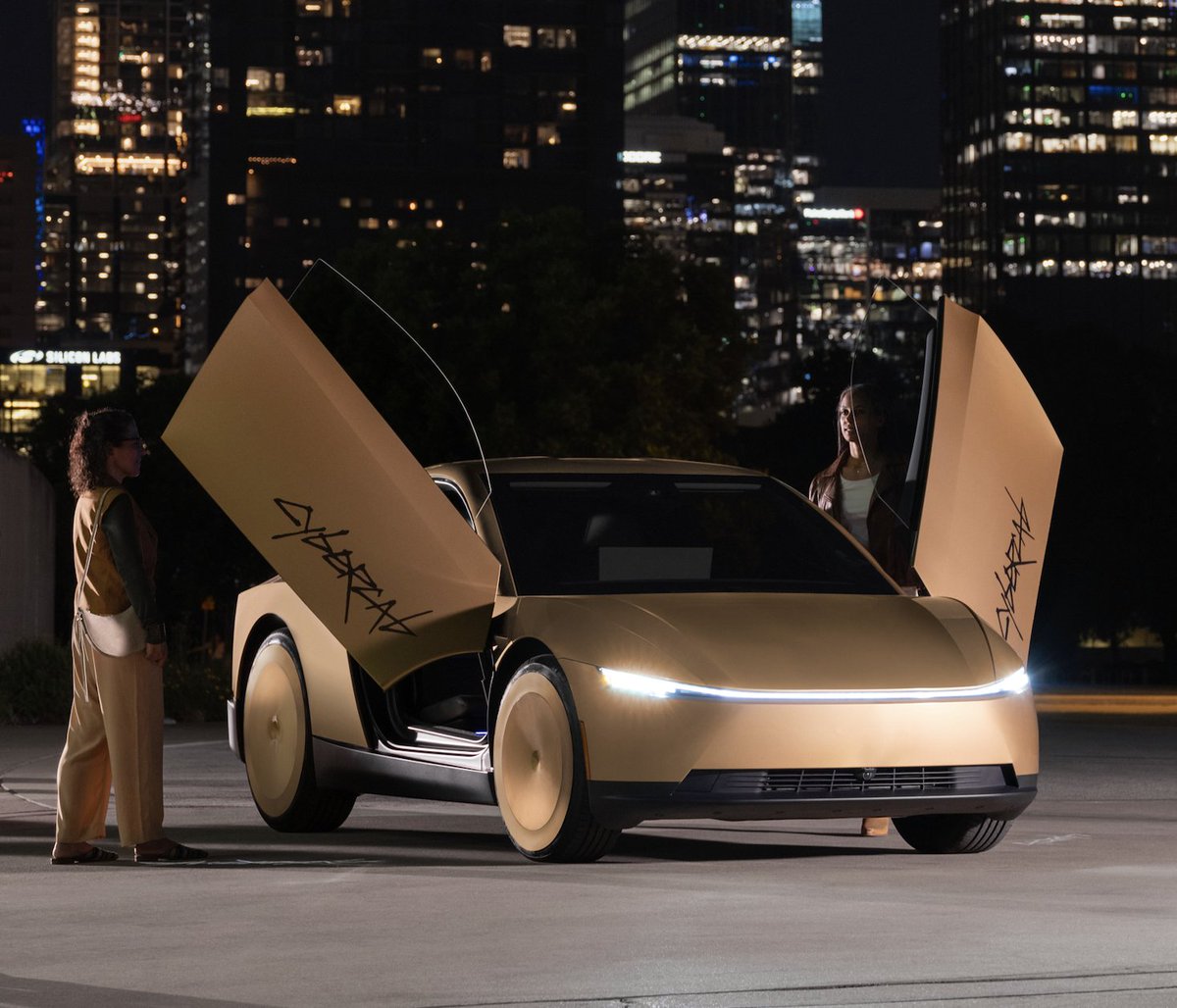
No. The Cybercab is a purpose-built vehicle with no steering wheel, no pedals, and no side mirrors. It seats two passengers, produces 219 HP, carries a 48 kWh battery pack, and weighs 3,113 pounds. EPA-rated range is 418 miles, though real-world estimates run closer to 293 miles. It's front-wheel drive and priced at $25,000 — a figure Tesla has confirmed publicly, roughly aligned with production cost.
Is the Cybercab facing any regulatory issues?
Yes, and it's worth watching. NHTSA opened an audit query (AQ26002) on September 3 — the same day commercial service launched in Austin. The agency is seeking information on how a vehicle without traditional controls complies with Federal Motor Vehicle Safety Standards. Tesla has notified NHTSA that it certified the Cybercab as compliant with all applicable FMVSS. The audit remains open, and the outcome could have implications for how Tesla scales the fleet nationally.
What does a growing registration count actually tell us?
Registration numbers are a proxy for deployment intent, not necessarily active rides. A registered vehicle has cleared the DMV paperwork hurdle but may still be in pre-deployment staging, software validation, or geographic expansion prep. That said, the consistent week-over-week additions suggest Tesla is moving vehicles from factory to operational status at a deliberate clip. The mix of Cybercabs and Model Ys in the Texas fleet also signals that Tesla is running a hybrid approach — using existing hardware alongside the new platform while Cybercab production ramps.
The registration data is public and trackable, which makes Texas an unusually transparent window into how Tesla is building out its autonomous fleet. The next milestone worth watching: whether the Cybercab count crosses 200 before the end of October — and whether NHTSA's audit query produces any operational constraints in the meantime.
🚕 Following the Robotaxi rollout? See every operating city, launch date and announced market in our Tesla Robotaxi Tracker.
Related Gear
Gear up your Tesla with tested, custom-fit BASENOR accessories — shop Tesla accessories →
Sources & reporting notes
The links below identify the material source records used for this report.
- @wholemars on X (2026-10-02T02:13:39.000Z) — Direct source
- @SawyerMerritt on X (2026-10-02T02:46:18.000Z) — Direct source
Source links are preserved as published or accessed. See our editorial standards and corrections policy.
The BASENOR Editorial Desk covers Tesla, SpaceX, and related technology, curating reporting from primary sources — official accounts, regulatory filings, and software release data. Every article passes source-record and fact-checking review before publication. About the newsroom.
This report was curated by the BASENOR Editorial Desk from the sources listed above. Read our editorial standards or email editorial@basenor.com to report an error.