Tesla has published two new patents focused on wireless vehicle charging — and the details reveal a more safety-conscious approach to cutting-the-cord charging than most people expected. Here's what the filings actually say, and what they could mean for owners down the road.

What did Tesla actually patent?
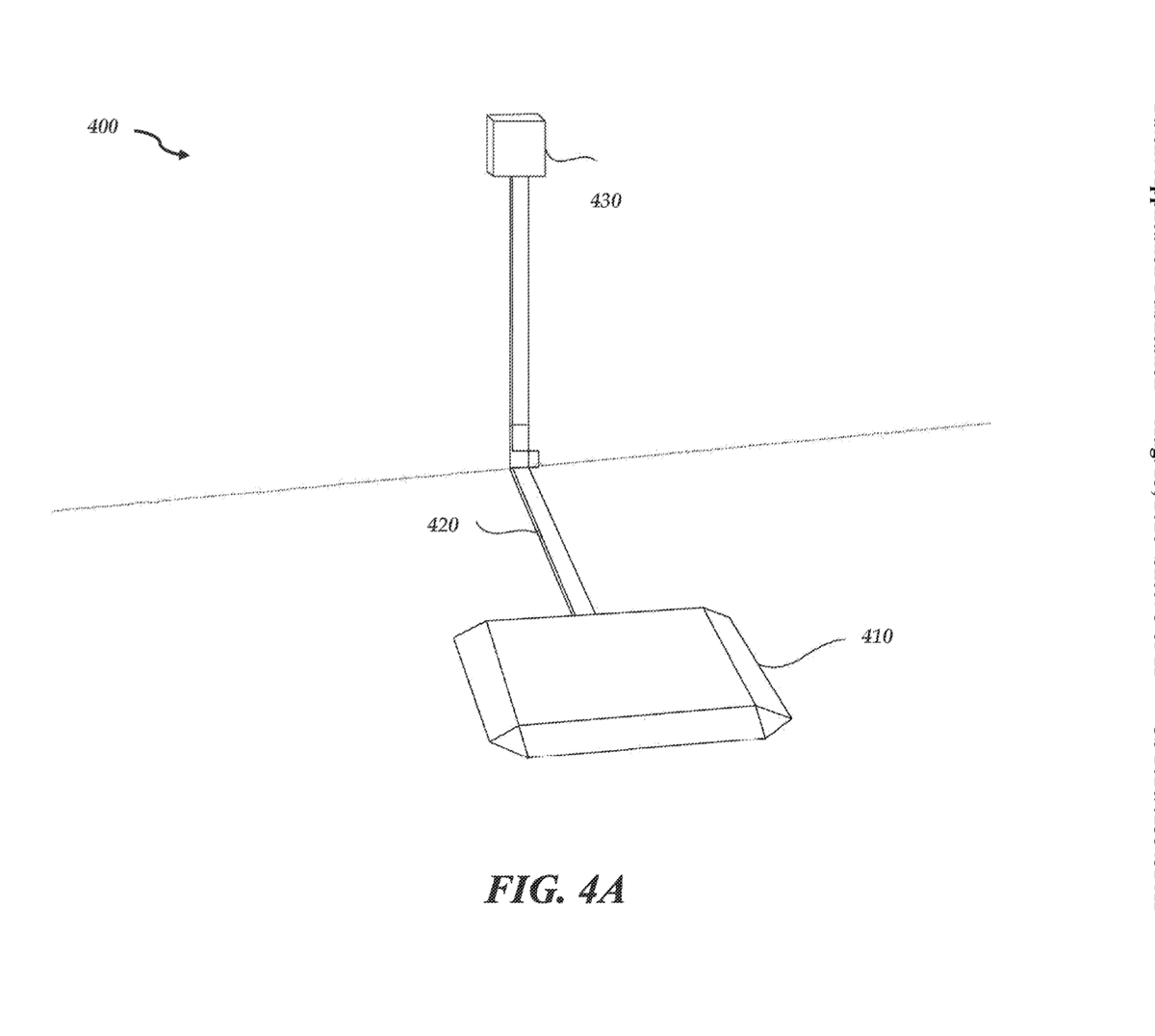
Two separate patents were published simultaneously. The first covers temperature sensors embedded in the wireless charging pad itself — designed to detect when an object on or near the pad is heating up abnormally and automatically cut power before damage or fire can occur. The second patent is also wireless charging-related, though the full scope of Patent 2 wasn't detailed in the initial report from @SawyerMerritt. Both filings were surfaced on August 15, 2026.
Why does the temperature sensor feature matter?
Wireless charging — whether for phones or vehicles — carries an inherent risk: foreign objects (coins, keys, small metal items) left on a charging pad can heat up rapidly as they absorb electromagnetic energy. At vehicle-scale power levels, that risk is significantly amplified compared to a phone charger. Tesla's approach of embedding thermal detection directly into the pad means the system doesn't rely on the driver to notice a problem — it shuts itself down automatically. That's a meaningful safety layer, not just a regulatory checkbox.

Does a patent mean wireless charging is coming soon?
Not necessarily. Tesla files and publishes patents regularly across many technology areas, and publication is not a product announcement. Patents protect intellectual property and can sit on the shelf for years before — or without ever — reaching a production vehicle. That said, the specificity of these filings (thermal cutoff logic, pad-level sensor integration) suggests active engineering work rather than purely defensive IP. It's a signal worth watching, not a delivery date.

Which Tesla models would this apply to?
The patents don't specify a target vehicle. Wireless charging at vehicle scale would most logically debut on a future platform — the Cybercab robotaxi is an obvious candidate, since autonomous vehicles that park themselves to charge would benefit enormously from a cable-free solution. Whether existing models like Model 3 or Model Y would ever gain wireless charging hardware is unknown and not implied by these filings.

How does Tesla's approach compare to existing wireless EV charging standards?
Several wireless EV charging standards already exist — including SAE J2954, which covers inductive charging for light-duty vehicles. The foreign object detection problem is a known challenge across all of them. Tesla's patent specifically addresses thermal detection at the pad level, which could be a proprietary implementation layered on top of (or independent from) any standard the company eventually adopts. Whether Tesla pursues interoperability or builds a closed ecosystem — as it initially did with Superchargers — remains an open question.
Two patents don't make a product roadmap, but they do confirm Tesla's engineers are working through the hard problems of vehicle-scale wireless charging — safety chief among them. The thermal cutoff mechanism in particular is the kind of unglamorous engineering that has to be solved before anything else can ship. Worth keeping on your radar as Cybercab development continues.
🚕 Following the Robotaxi rollout? See every operating city, launch date and announced market in our Tesla Robotaxi Tracker.
Related Gear
Gear up your Tesla with tested, custom-fit BASENOR accessories — shop Tesla accessories →
Sources & reporting notes
The links below identify the material source records used for this report.
- @SawyerMerritt on X (2026-08-15T16:52:48.000Z) — Direct source
- @SawyerMerritt on X (2026-08-15T16:52:48.000Z) — Direct source
Source links are preserved as published or accessed. See our editorial standards and corrections policy.
The BASENOR Editorial Desk covers Tesla, SpaceX, and related technology, curating reporting from primary sources — official accounts, regulatory filings, and software release data. Every article passes source-record and fact-checking review before publication. About the newsroom.
This report was curated by the BASENOR Editorial Desk from the sources listed above. Read our editorial standards or email editorial@basenor.com to report an error.