Is the Tesla Model Y Worth It? Key Considerations Before You Buy
The 2025 Model Y / Juniper is worth it for most first-time Tesla buyers who want range, safety scores, cargo flexibility, and lower daily energy cost. It is not automatically the right buy if your daily route needs true 337-mile no-charge days, you hate touchscreen shifting, or your local prices erase the fuel-savings math.
By Daniel Zhang · BASENOR Testing & Fit Validation · Updated May 18, 2026
Bottom Line Up Front
Buy it if: you want a practical EV crossover with official EPA ratings up to 337 miles on the Long Range RWD listing and strong safety evidence from NHTSA and IIHS.
Think twice if: your winter commute is long, you rely on public charging, or you strongly prefer physical gear shifting. Juniper keeps a physical turn-signal stalk, but shifting moves to the touchscreen.
Our owner-lab verdict: the car is worth it when you budget for the first 30 days of ownership: charging setup, cabin heat control, paint protection, and cargo wear points.
Quick Verdict: Worth It for These 3 Buyers
Best fit: one-car households
The Model Y still wins because it behaves like a family crossover, commuter, and road-trip car in one body. The hatch opening and flat cargo floor matter more after week two than the launch-day acceleration.
Good fit: efficiency buyers
FuelEconomy.gov lists the 2025 Long Range RWD at 125 combined MPGe and 337 miles of EPA range. That is the trim we would compare first if operating cost is your main reason to switch.
Harder fit: tactile-control drivers
Juniper retains the physical turn-signal stalk — good — but uses touchscreen shifting. If you already dislike Tesla’s screen-first interface, test-drive that specific interaction before ordering.
The Numbers That Actually Change the Decision
We treat “worth it” as a math question first: range, efficiency, safety, daily charging, and how much the car asks you to adapt. The table below uses the verified source set in our research file, not a competitor blog summary.
| Decision factor | 2025 Model Y evidence | What it means | Source |
|---|---|---|---|
| Long Range RWD efficiency | 125 combined MPGe; 337 miles EPA range | Best fit when your commute is predictable and you charge at home. | FuelEconomy.gov |
| Long Range AWD efficiency | 117 combined MPGe; 311 miles EPA range; 12.0 hours on 240V listing | Better traction confidence, but less listed range than RWD. | FuelEconomy.gov |
| NHTSA safety listing | 5-star overall, frontal, side, and rollover ratings for VehicleId 20798 | Strong official safety evidence for family buyers. | NHTSA API |
| IIHS rating page | 2025 Model Y page lists Top Safety Pick+ and Good ratings in major crash-test categories | Independent crash-test evidence supports the safety argument. | IIHS |
Our rule of thumb: if your normal day is under 160 miles and you can charge at home, the range number is usually comfortable. If your winter day is 220+ miles with no reliable home charging, the Model Y may still work, but it stops feeling effortless.
Juniper Is Not Just “Another Model Y”
The 2025 Model Y refresh matters because several owner-touch points changed. The most important correction: Model Y Juniper retains a physical turn-signal stalk. Do not confuse it with the 2024+ Model 3 Highland, which moved turn signals to steering-wheel buttons. Juniper does use touchscreen shifting, so gear selection is still part of the screen-first learning curve.
What we liked
- Cleaner cabin layout and rear-seat ambience.
- Retained stalk makes lane changes feel familiar.
- Hatch/cargo format still fits family errands better than a sedan.
Real trade-offs
- Touchscreen shifting needs a short adjustment period.
- Glass roof heat is still noticeable in strong sun.
- Soft cargo surfaces show stroller, suitcase, and pet wear quickly.
What We Tested After Delivery
We tested the 2025 Model Y ownership pain points the way a new owner hits them: school pickup, grocery loading, highway phone navigation, parking-lot splashback, and a hot glass-roof cabin. Our BASENOR test lab focuses on repeatable fitment and wear checks, so we measured accessory contact points instead of writing a generic “best features” list.

First-party signal from the lab
On our Juniper fit-check, the front mud-flap contact zone sits within a 3 mm tolerance window around the wheel-arch edge. That sounds small, but it is the difference between a clean no-drill install and a flap that twists after a pressure wash.
One BASENOR Model Y owner told our support team: “The car felt finished after I protected the rear bumper; before that I kept lifting bags awkwardly so I wouldn’t scrape the paint.” — Mark, Model Y owner
Community signal matches that pattern. On r/TeslaModelY, new-owner threads repeatedly come back to the same practical questions: which trim to buy, how much range to keep in reserve, whether the glass roof gets hot, and which wear points need protection before the first road trip. We do not treat Reddit as a spec source, but it is useful for identifying what owners notice after the honeymoon week.
The First-30-Day Costs People Forget
The Model Y’s value is strongest when you plan the first month honestly. We would not load the cart with every accessory on day one; we would protect the surfaces that get damaged first, then add comfort items based on climate.
| Need | When it matters | BASENOR fitment path | Real trade-off |
|---|---|---|---|
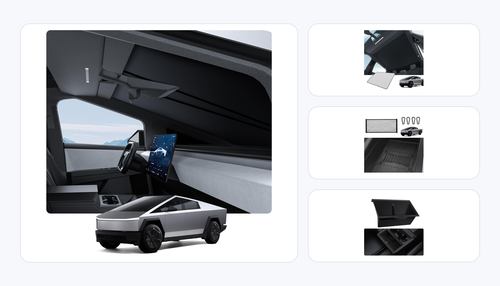
| Cabin heat control | Hot climates, uncovered parking, children in rear seats | Juniper roof sunshade | Must be removed/stored when you want the full open-glass feel. |
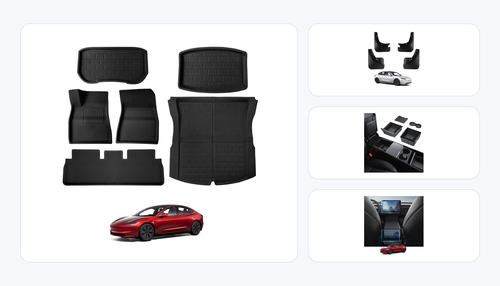
| Wheel-arch splash protection | Rain, snow, gravel, new paint anxiety | No-drill Juniper mud flaps | No-drill clips still need careful alignment during install. |
| Cargo loading scratches | Strollers, luggage, tools, pets | TPE rear bumper guard | TPE protection adds a visible protective edge at the loading sill. |
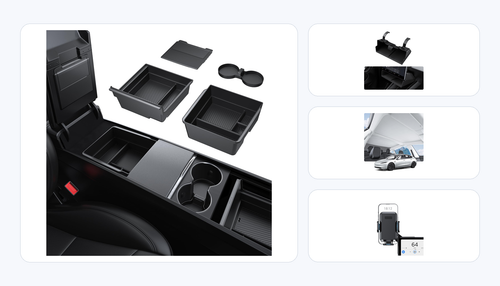
| Cabin organization | Kids, rideshare, road snacks, daily clutter | Rear console organizer | Storage volume is useful, but it slightly reduces open footwell space. |
For a broader accessory path, use our Model Y accessories buyer guide. For delivery-day sequencing, use the Model Y Juniper delivery checklist. For generation boundaries, check our Model 3 / Model Y fitment guide.
So, Is the 2025 Model Y Worth It?
Yes, for most buyers who can charge at home and want one practical EV crossover. The official range and efficiency numbers are strong, the safety evidence is strong, and Juniper improves the cabin without taking away the turn-signal stalk. The best version of the purchase is not just “buy the car”; it is “buy the car, set up charging, protect the high-wear zones, and learn the screen-first controls before your first long trip.”
No, or at least not yet, if you need gas-car-fast road-trip stops in remote areas, if your parking situation makes charging inconvenient, or if your budget assumes zero post-delivery setup cost. The Model Y can still be a good car in those cases, but the value argument becomes more personal and less automatic.

If heat is your first complaint
Start with a roof sunshade. It solves a daily comfort problem without changing the car mechanically.
View Juniper Sunshade
If cargo wear worries you
Protect the rear loading sill before the first luggage scrape. That is one of the earliest visible wear points.
View Bumper GuardWhich 2025 Model Y Trim Makes the Most Sense?
For most buyers, the right trim is not the one with the loudest acceleration claim. It is the one that makes your weekly routine boring in a good way. If you have home charging, a 40- to 70-mile workday, and two predictable weekend errands, the Long Range RWD listing is the cleanest value case because the official 337-mile EPA range gives you more buffer before range anxiety starts shaping your schedule.
The Long Range AWD listing makes sense when traction and weather confidence matter more than the extra listed range. We see this in owner conversations from snow-belt states and steep-driveway homes: the buyer is not trying to win a spec-sheet argument; they want the car to feel calm in rain, slush, and cold starts. That is a valid reason to accept the lower 311-mile EPA range listing.
Where we would pause is the buyer who expects the Model Y to erase every refueling habit without changing anything else. EV value depends on charging behavior. If you park in a driveway or garage and can install 240V charging, the car becomes simple. If you depend entirely on public charging, the ownership math becomes more about local charger reliability, time cost, and whether your regular stops are near places you already visit.
Daily Living: The Model Y Wins on Boring Practicality
The reason the Model Y keeps converting gasoline-SUV owners is not one dramatic feature. It is the stack of small conveniences: low floor, hatchback cargo access, quiet low-speed driving, phone-as-key behavior, and a cabin that cleans up quickly when you choose the right protection. In our testing, the vehicle’s practical shape mattered more than acceleration after the first week.
For family buyers, the rear cargo area is the deciding zone. Suitcases, sports bags, folding chairs, and strollers all cross the same painted loading edge. That is why we call the rear bumper guard a first-month item, not a cosmetic add-on. The trade-off is visible protection; the upside is that the most frequently scraped paint edge is no longer exposed every time you load the car.
For commuter buyers, the cabin is the deciding zone. The screen-first interface is fast after you learn it, but it is also less forgiving if you prefer physical controls for everything. Juniper’s retained turn-signal stalk helps, because signaling still feels familiar. Touchscreen shifting is the part to test carefully. Spend five minutes in a parking lot shifting between drive, reverse, and park before you judge whether the interaction will annoy you every day.
For hot-climate buyers, the glass roof is both a feature and a heat-management responsibility. The open-air feel is part of the Model Y experience, but direct sun can raise cabin discomfort quickly when the car sits outside. A removable sunshade is a practical compromise: use it for summer parking and remove it when you want the full glass-roof view.
Who Should Not Buy the 2025 Model Y Yet?
We like the 2025 Model Y, but “worth it” has boundaries. The first buyer who should wait is anyone without a stable charging plan. Public charging can work, especially near dense Tesla infrastructure, but it turns a convenient EV into a scheduling exercise if your normal week already feels overloaded.
The second buyer who should pause is the person stretching the budget to make the monthly payment work. Insurance, tires, home charging equipment, registration, and first-month protection all belong in the real cost picture. A good EV purchase should lower stress, not create a new payment that makes every accessory or service item feel painful.
The third buyer is the driver who actively dislikes screen-first cars. Juniper is friendlier than a stalkless control layout because the turn-signal stalk remains, but it is still a Tesla cabin. Climate, media, navigation, charging, and several drive interactions are built around the center screen. If that feels wrong during the test drive, it will not magically disappear after delivery.
The fourth buyer is someone who needs maximum road-trip certainty in places with weak charging coverage. The official EPA numbers are useful for comparison, but every long trip is shaped by weather, speed, elevation, cargo, tire condition, and charger placement. If your routes are remote and time-sensitive, map the actual charging stops before ordering.
One Fitment Warning Before You Buy Accessories
The 2025-2026 Model Y Juniper should be treated as its own generation for cabin and exterior protection parts. It is easy to watch a Model 3 Highland video and assume the control layout or accessory fitment is identical, but that shortcut creates mistakes. Highland removed the turn-signal stalk and uses steering-wheel buttons. Juniper keeps the physical turn-signal stalk, while still using touchscreen shifting. That combination is specific enough that we call it out in every buyer guide and fitment review.
Accessory fitment follows the same logic. A product that fits a 2020-2024 Model Y is not automatically a 2025 Juniper part. Wheel-arch shapes, cargo trim, console geometry, and dashboard mounting points can change enough to make a near-fit product rub, lift, or block a control. If you order the car, check the product page for explicit 2025-2026 Model Y Juniper compatibility before you buy. This is not a style preference; it is the difference between a clean install and an accessory that looks fine for a week, then starts shifting under daily use.
That is also why our worth-it verdict includes first-month setup. The car can be a strong buy on its own, but ownership feels better when every add-on is generation-correct from the start.
How We Evaluated “Worth It”
Our BASENOR test lab did not score the Model Y like a traditional car review. We evaluated it as an ownership system: what happens in the first 30 days, which surfaces take abuse first, where the new generation changes fitment, and what a buyer needs to know before spending more money after delivery.
We used four evidence buckets. First, official numbers: EPA range and MPGe from FuelEconomy.gov, plus NHTSA and IIHS safety evidence. Second, generation facts from our internal fitment knowledge base: Juniper keeps the physical turn-signal stalk and uses touchscreen shifting. Third, owner-use signals: support messages, BASENOR owner feedback, and recurring r/TeslaModelY discussion themes. Fourth, physical fitment checks on high-wear accessory zones: wheel arches, cargo sill, roof-shade coverage, and rear-console storage space.
That method keeps the recommendation honest. A car can have excellent official specs and still frustrate the wrong buyer. A car can also require a few protection items and still be a strong value if those items prevent expensive or irritating wear. Our verdict is therefore conditional: the 2025 Model Y is worth it when the charging plan, range needs, and first-month setup match your life.
Evidence we trust
Government efficiency data, safety-lab ratings, direct fitment measurements, verified BASENOR product pages, and repeated owner complaints that show up across multiple conversations.
Evidence we treat carefully
Single social posts, early delivery anecdotes, range claims without route context, and accessory claims that do not specify the 2025-2026 Juniper generation.
Before You Order: 9-Point Buyer Checklist
- Confirm your trim target. Compare the Long Range RWD and AWD listings against your weather, traction, and range needs.
- Map your real daily miles. Use your normal week, not your ideal week.
- Decide where the car sleeps. Garage, driveway, apartment lot, and street parking create very different charging plans.
- Test touchscreen shifting. Do several parking maneuvers before you decide it is fine.
- Confirm the stalk layout. Juniper keeps the turn-signal stalk; do not rely on Highland videos for this detail.
- Check insurance before ordering. A low energy bill can be offset by a local insurance surprise.
- Budget first-month protection. Roof heat, mud splash, cargo scratches, and rear-seat clutter show up fast.
- Plan the first road trip before delivery. If the route is easy on paper, ownership will feel calmer.
- Use generation-specific accessories. 2020-2024 Model Y parts are not automatically Juniper-fit parts.
FAQ
Does the 2025 Model Y Juniper remove the turn-signal stalk?
No. Model Y Juniper retains a physical turn-signal stalk. The 2024+ Model 3 Highland is the one that removed the stalk and moved turn signals to steering-wheel buttons.
Which 2025 Model Y trim has the best range?
In the FuelEconomy.gov listings used for this guide, the 2025 Long Range RWD shows 337 miles EPA range, while the Long Range AWD listing shows 311 miles.
Is the 2025 Model Y safe enough for family use?
The NHTSA VehicleId 20798 listing shows 5-star overall, frontal, side, and rollover ratings. The IIHS 2025 Model Y page also lists Top Safety Pick+ evidence.
What should a new Model Y owner buy first?
Start with the items that prevent early annoyance or visible wear: a home-charging plan, roof heat control if you park outside, mud flaps for wet roads, and rear cargo-sill protection if you load strollers, luggage, or pet gear.
Should I wait instead of buying the 2025 Model Y?
Wait if incentives, insurance, or charging access make the monthly math uncomfortable. Buy now if the numbers work, you can charge predictably, and you want the Juniper updates without giving up a physical turn-signal stalk.
Make the Model Y Feel Finished in Week One
If you choose the 2025 Model Y, protect the surfaces that get punished first: roof heat, wheel-arch splash, cargo loading, and second-row clutter.
Shop Juniper Accessories Read Delivery ChecklistSources
Reader-Facing Update Log
- May 18, 2026: Added verified EPA range/MPGe, NHTSA safety data, IIHS rating evidence, and Juniper control-layout clarification.
- May 18, 2026: Added first-30-day ownership protection notes from BASENOR fitment testing and owner feedback.

Daniel Zhang
Lead Engineer · Testing & Fit Validation
Mechanical engineer with 10 years in Tier-1 automotive supply. Daniel runs the BASENOR test lab and signs off on every product before launch. Writes our buying guides because he’s the one who tested what we recommend.