Tesla Delivery Day Minus One: The 24-Hour Pre-Delivery Checklist
The day before Tesla delivery is not the time to start improvising. If paperwork, insurance, payment, home charging, and first-drive gear are still half-done, delivery day feels stressful fast. The goal of this guide is simple: handle the tasks that belong before pickup so the handoff itself can stay focused.
This is intentionally not an on-site inspection checklist. BASENOR already has a published Model Y Juniper delivery inspection article for that next-stage moment. This piece stays one step earlier, the minus-24-hours window when getting organized saves the most friction.
Quick answer
The day before delivery, confirm five things: your insurance proof is accessible, payment and trade-in details are settled, your charging plan is ready, your pickup route and backup charging options are understood, and the small items you want for the first drive home are already packed.
If those basics are finished, delivery day feels much calmer. If they are not, the stress usually has nothing to do with the car itself and everything to do with preventable prep work.
What this guide does not cover
This article does not try to replace an on-site panel-gap, paint, glass, wheel, or screen inspection guide. Keep those checks for the delivery appointment itself. Here, the focus is the 24-hour-before window: documents, charging, route planning, and first-drive readiness.
The five tasks that matter most in the last 24 hours
1. Insurance proof
California DMV guidance is a useful reminder that insurance documentation may be requested before registration is considered complete.
Whether you are in California or not, delivery day is the wrong moment to start hunting for proof-of-insurance emails.
2. Charging plan
AFDC still frames home charging as the ownership foundation. If charging starts at home, make sure the setup is real, not theoretical.
If home charging is not ready yet, know your first public-charging backup before pickup.
3. First-drive logistics
Pickup location, route home, phone battery, and any stop you may need on the way back should already be thought through.
Delivery is smoother when you already know how the first drive home works.
Documents first, because paperwork stress is the easiest problem to avoid
The DMV insurance note matters because it represents a broader truth: delivery-day frustration often starts with missing admin details, not vehicle issues. Before pickup, make sure your insurance card or digital proof is easy to reach, not buried in an old email thread. If there is a financing or trade-in task still floating, clear it now. If you need IDs, payment confirmation, or account access, gather them before you go to bed.
The smartest version of this is boring. One folder, one note, or one checklist with every document you might need. The less you rely on memory at the delivery center, the easier the handoff feels.
Minus-24-hours document checklist
- Insurance proof ready, ideally in both app and screenshot form.
- Payment and trade-in status confirmed, with no open “I think that is done” items.
- Driver's license or required ID packed before leaving home.
- Tesla account access verified so you are not resetting passwords in the parking lot.
- Pickup time and location rechecked one last time.
Charging should feel boring before the car arrives
AFDC's home-charging guidance is the best reality anchor here too. Most EV owners charge at home, and Level 2 equipment usually uses 240 V service for faster charging. That means delivery-day prep is not just about excitement. It is about confirming the charging routine you expect to use is actually available.
If home charging is already set up, great. Test the cable storage area, make sure the parking spot is clear, and know exactly where the cord will live. If the home setup is not fully ready, then the day-before job is different: identify the backup public charging plan you will use immediately after pickup. AFDC's charging-stations overview is helpful here because it reinforces a practical pattern, public charging supports the routine, but most owners still do the majority of charging at home.
The mistake to avoid is assuming you will “figure it out later.” Later usually starts the same night the car arrives.
| Prep item | Why it matters the day before | Best simple action |
|---|---|---|
| Home charging setup | Sets the baseline ownership routine immediately | Confirm parking spot, outlet/access, and cable storage plan |
| Backup public charging | Reduces anxiety if home charging is not active yet | Know one reliable option on or near your route home |
| Phone and app readiness | Digital access is part of the handoff experience | Charge your phone and confirm app login before leaving |
What to pack for the first drive home
Keep this simple: driver's license, insurance proof, charging cable if needed, phone charger, and any small cleanup or storage item you already know you will want immediately. This is not the moment to pack a whole accessory haul. It is the moment to remove obvious friction from the first 24 hours with the car.
Useful BASENOR items to have ready after pickup
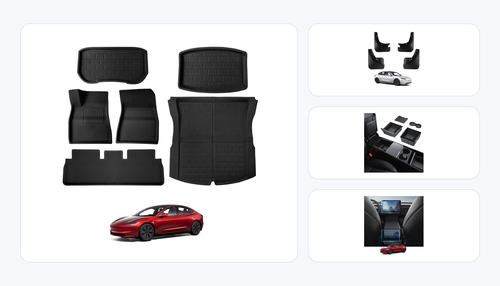
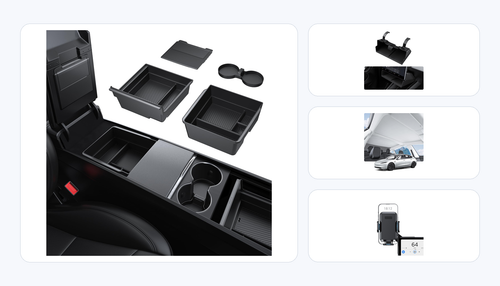
The most credible BASENOR connection at this stage is “first-drive-home readiness,” not heavy product selling. A windshield sunshade helps if the car will sit in open parking right away. A rear console organizer trash can helps keep the cabin under control during the first week. A charger-cable organizer makes more sense once the home setup is active. And if you already know your new Tesla will immediately carry kids, pets, or wet shoes, having protective gear ready is not overkill, it is planning.

Best for hot pickup or outdoor parking
Windshield Sunshade - Foldable Silver Reflective
A simple accessory that solves a real first-week problem if the car sits outside during work or home parking.

Best for keeping the cabin tidy fast
Rear Console Organizer - Trash Can with Lid
Useful if snacks, receipts, and everyday clutter always show up as soon as the new-car phase begins.

Best for home charging cleanup
Wall Connector Cable Organizer - Charger Holder Wall Mount
A practical buy once your charging spot is live and you want the cable area to feel organized instead of improvised.
The handoff between this article and delivery-day inspection
The cleanest way to use this guide is as a checkpoint. Finish everything here before you sleep, then use a separate on-site inspection guide when you arrive. That split matters because the tasks are different. Day-before prep is about reducing admin and charging friction. On-site inspection is about verifying the vehicle condition and delivery details in person.
Trying to combine both into one mental list usually makes buyers sloppy at both. Keep this article focused on readiness, then hand off to the delivery inspection checklist once you are physically with the car.
How we would sequence the last 24 hours
If you want the day before delivery to feel calm, do the work in order. Start with account and paperwork items while you still have time to fix surprises. Move next to charging and route planning, because those affect the first drive home. Finish with physical packing and cabin-readiness items so nothing is left to memory in the morning. This order matters because it keeps the hardest-to-fix problems early and the easiest-to-fix problems late.
We would not leave the important tasks for the final hour. The most common failure mode is a buyer who assumes everything is fine, then realizes late at night that insurance proof is not easy to access, a payment step is still unclear, the app login has expired, or the home charging area is still cluttered. None of those are dramatic problems, but they become stressful when they stack together.
What to confirm about your route home
The first drive home is usually where delivery-day energy shifts into real ownership. That is why route planning deserves more attention than people think. Decide whether you are going straight home, stopping for food, picking up family, or parking outdoors for several hours. If your home charging setup is not live yet, know the backup charging location you trust before you leave the delivery center. AFDC's charging-stations guidance is useful here because it frames public charging as support infrastructure, not a plan you invent in a hurry after pickup.
You also want a low-friction phone setup. Charge your phone fully, bring a cable if you rely on one, and make sure navigation, Tesla app access, and any insurance or payment screens are easy to reopen. Delivery-day stress often comes from digital friction more than mechanical issues.
| Last-24-hours task | What good looks like | Common mistake |
|---|---|---|
| Insurance and ID | Proof is saved, visible, and easy to reach | Relying on an email search while standing at pickup |
| Charging plan | Home setup is ready or one backup station is already chosen | Assuming charging will be figured out after the handoff |
| First-drive packing | Only useful basics are packed and ready | Bringing nothing helpful or overpacking random accessories |
If your home charging is not live yet
That does not automatically mean you should delay delivery, but it does change the checklist. In that case, your day-before preparation should focus on removing uncertainty. Know your first charging location, understand how far the trip home is, and decide whether you need to top up immediately or can charge later. A temporary workaround is manageable. An undefined plan is what creates stress.
This is also where accessory choices should stay practical. A cable organizer makes sense once a home-charging spot exists. A sunshade makes sense immediately if the car will sit in open sun. A tidy cabin organizer makes sense if the first week will involve commuting, kids, or everyday errands right away. Match the gear to the first week, not to a generic “new Tesla shopping list.”
Morning-of-delivery items you should not still be deciding
- Who is going with you and whether that changes parking or pickup timing.
- Where the car will park first when you get home.
- Whether you need to charge on the way home or can plug in immediately.
- Which items belong in the car on day one versus what can wait until later in the week.
- Which inspection guide you will use at pickup so you are not mixing prep tasks with vehicle checks.
A realistic final checklist for the night before
- Lay out your ID and confirm insurance proof is easy to access.
- Make sure any payment or trade-in item is truly closed, not “probably fine.”
- Charge your phone and confirm Tesla account login.
- Know your route home and at least one backup charging option.
- Pack only the useful first-drive items you will actually use.
Our honest rule for the day before pickup
If something can be finished calmly tonight, do not leave it for tomorrow. Delivery day already carries enough novelty. The easiest way to enjoy it is to make the administrative part boring in advance. Once documents, charging, route, and first-drive basics are handled, the car itself gets your attention instead of the surrounding friction.
That is also why we keep this guide separate from on-site inspection. The day before is about preparedness. The delivery appointment is about verification. Keeping those two jobs separate makes buyers more methodical and much less likely to miss something obvious.
Final takeaway
Tesla delivery day gets easier when the day before is boring. That is the real goal. If documents are ready, charging is planned, and your first-drive basics are packed, then delivery can stay focused on the car instead of preventable admin stress.
Then, once you are actually at pickup, switch mental modes. Use your delivery inspection checklist there. Keep this article for the minus-24-hours prep window where it does the most work.
Sources used for research and checklist framing: AFDC home charging guidance, California DMV insurance requirements, and AFDC charging stations overview.
Should you set up home charging before Tesla delivery day?
Yes, if possible. It makes the first week of ownership much easier and reduces the chance that pickup day creates unnecessary charging stress.
What documents should be ready the day before pickup?
At minimum, keep your driver's license, insurance proof, and any payment or trade-in confirmation easy to access before leaving for delivery.
Does this replace a Tesla delivery inspection checklist?
No. This guide is for the day before pickup. Use a separate inspection checklist when you are actually with the vehicle.