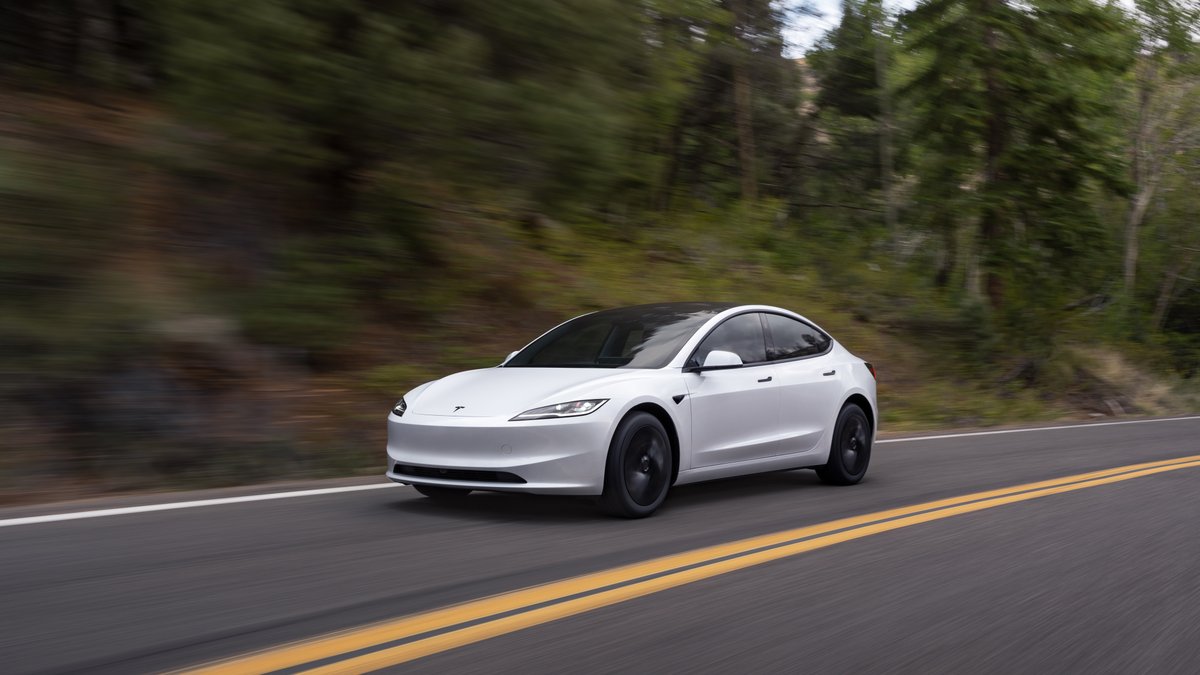
Tesla North America announced on September 13, 2026 that the refreshed 2026 Model 3 has earned a 5-star overall safety rating from the National Highway Traffic Safety Administration (NHTSA), along with 5 stars in every individual crash test category. It's a strong headline for Model 3 shoppers and current owners, but the announcement also raises a fair question: is the rating fully published on NHTSA's side, and what should owners actually do with this information?
Here's what Tesla shared, what we could and couldn't independently verify, and the concrete steps Model 3 owners should take to make sure the safety systems on their own car are configured to match that top-tier rating.

What Tesla Announced
According to Tesla North America's post, the 2026 Model 3 achieved:
- 5-star overall rating under NHTSA's New Car Assessment Program (NCAP)
- 5 stars in every subcategory — frontal crash, side crash, and rollover
This continues a long-running pattern for Model 3, which has repeatedly scored at the top of NHTSA's ratings since its original 2018 launch. The refreshed Model 3 (sometimes referred to internally as the Highland refresh) added a stiffer body structure, updated restraint systems, and revised front and rear crumple zones — all of which typically feed into stronger frontal and side pole crash performance.
One caveat worth flagging: as of the announcement date, NHTSA's own updated 5-Star Safety Ratings program has been running behind on public database publication timelines, and the individual test documentation for the 2026 model year may take additional time to appear on nhtsa.gov. Tesla's own announcement is the primary source at this stage; owners who want to independently verify the full test report should check the NHTSA database directly over the coming weeks.
Why This Matters for Current Owners
If you already own a 2024 or 2025 Model 3, the news is more relevant than it might first appear. The 2026 rating applies to a vehicle that shares the same underlying platform, restraint architecture, and active safety hardware as recent refresh-generation Model 3s. That means the crash-structure gains that helped earn this rating are largely present on your car too.
What changes over time is the software layer — Automatic Emergency Braking (AEB), Forward Collision Warning, Lane Departure Avoidance, Blind Spot Collision Warning, and the camera-based occupant monitoring system. NHTSA's Advanced Driver Assistance recommendations weight these features heavily, and Tesla has quietly refined all of them through OTA updates over the past 18 months.
Action Plan: Verify Your Model 3's Safety Configuration
Regardless of model year, here's what every Model 3 owner should check this week to make sure their car is set up to deliver the safety performance NHTSA tested for.
1. Confirm Your Software Is Current
Open the Tesla app → tap your vehicle → Software. If an update is pending, connect to Wi-Fi and install it. Tesla's most recent Model 3 firmware branch includes revised AEB thresholds and improved pedestrian/cyclist detection tuning — both of which affect NCAP-adjacent scoring.
2. Check Active Safety Settings
In the car: Controls → Autopilot → Active Safety Features. Confirm the following are all set to their recommended defaults:
- Automatic Emergency Braking: ON
- Forward Collision Warning: Medium (or Early, if you prefer more warning)
- Lane Departure Avoidance: Warning or Assist (not Off)
- Blind Spot Collision Warning Chime: ON
- Obstacle-Aware Acceleration: ON
These settings sometimes revert after major software updates or a factory reset, so it's worth double-checking even if you set them once before.
3. Verify Tire and Brake Health
NHTSA crash ratings assume a vehicle in as-tested condition. Tires with low tread or over/underinflated pressures materially change stopping distance and rollover resistance. In the Tesla app, check tire pressures against the door-jamb placard values. If you're running aftermarket wheels or a non-OEM tire size, be aware that the tested rollover resistance figures apply to factory spec.
4. Test Your AEB Awareness (Safely)
You don't need to trigger AEB to know it's working, but do confirm you get the audible Forward Collision Warning chime in normal driving when appropriate — for example, when approaching a stopped vehicle at a light with a little extra speed. Silent warnings often mean the driver has muted alerts or lowered warning sensitivity.
5. Check Cabin Camera and Attention Monitoring
If you use Autopilot or FSD, the cabin camera-based attention monitoring plays a role in how the car escalates hands-on-wheel and eyes-on-road nags. Make sure the camera lens above the rearview mirror is clean and unobstructed — a common overlooked maintenance item.
What to Watch Next
A few things to keep an eye on over the next several weeks:
- NHTSA database publication: The full test documentation and star breakdown by test type should appear at nhtsa.gov/ratings once NHTSA finishes its updated program rollout.
- IIHS testing: The Insurance Institute for Highway Safety runs a separate, stricter battery of tests (small overlap front, updated side impact, headlight ratings). Model 3's IIHS results for the 2026 model year are typically published a few months after NHTSA.
- Euro NCAP: European testing under the 2026 Euro NCAP protocol will provide an additional independent benchmark, especially on active safety and driver monitoring.
Bottom Line
A 5-star NHTSA rating on the 2026 Model 3 is a meaningful confirmation that Tesla's refreshed Model 3 architecture continues to perform at the top of the sedan class. For owners, the practical takeaway isn't the rating itself — it's the reminder that the active safety systems doing most of the day-to-day protection work depend on current software, proper settings, and vehicles kept in as-tested condition. Twenty minutes with your car this week is enough to confirm all three.
Related Gear
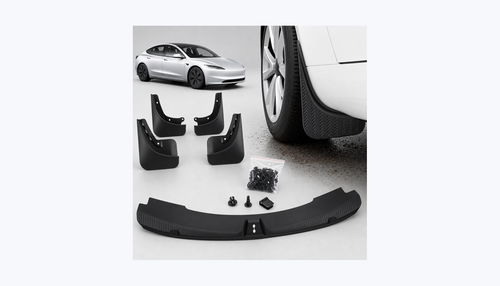
Gear up your Model 3 with tested, custom-fit BASENOR accessories — shop Model 3 accessories →
Sources & reporting notes
The links below identify the material source records used for this report.
- @tesla_na on X (2026-09-13T21:58:08.000Z) — Direct source
Source links are preserved as published or accessed. See our editorial standards and corrections policy.
The BASENOR Editorial Desk covers Tesla, SpaceX, and related technology, curating reporting from primary sources — official accounts, regulatory filings, and software release data. Every article passes source-record and fact-checking review before publication. About the newsroom.
This report was curated by the BASENOR Editorial Desk from the sources listed above. Read our editorial standards or email editorial@basenor.com to report an error.