Belgium's Flemish Minister of Mobility, Annick De Ridder, has stepped in to correct the record on what Belgian newspaper De Morgen reported as the country's first FSD-related accident. Her conclusion: the system wasn't responsible. The driver took over, made a reckless maneuver, and the car hit a stationary vehicle. FSD never caused the crash — the driver did.

What Actually Happened
According to reporting corroborated by the Brussels Times, the incident took place on a roundabout. The driver decided to turn earlier than FSD Supervised intended and manually took over the steering wheel to execute that turn — at which point the car struck a stationary vehicle at low speed. The Minister's statement was unambiguous: the accident "cannot be attributed to FSD."
This matters because FSD Supervised only received official approval for use on Belgian public roads on June 10, 2026 — barely five weeks before this incident. The initial De Morgen headline framing it as an "FSD accident" risked creating a chilling effect on a system that, in this case, wasn't even in control when the collision occurred.
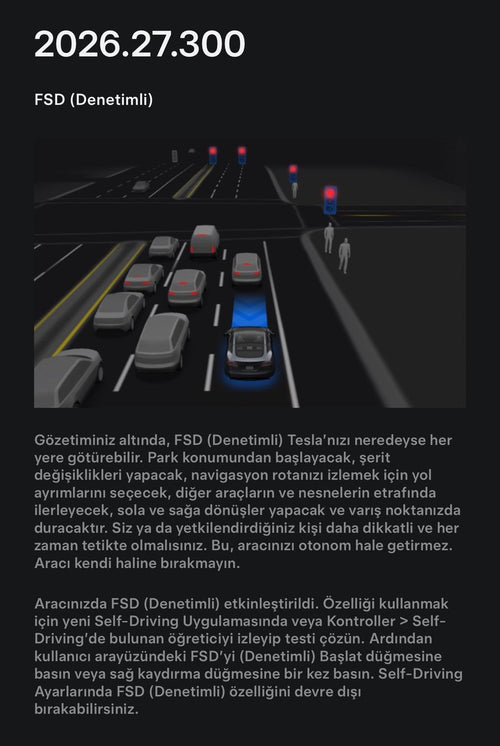
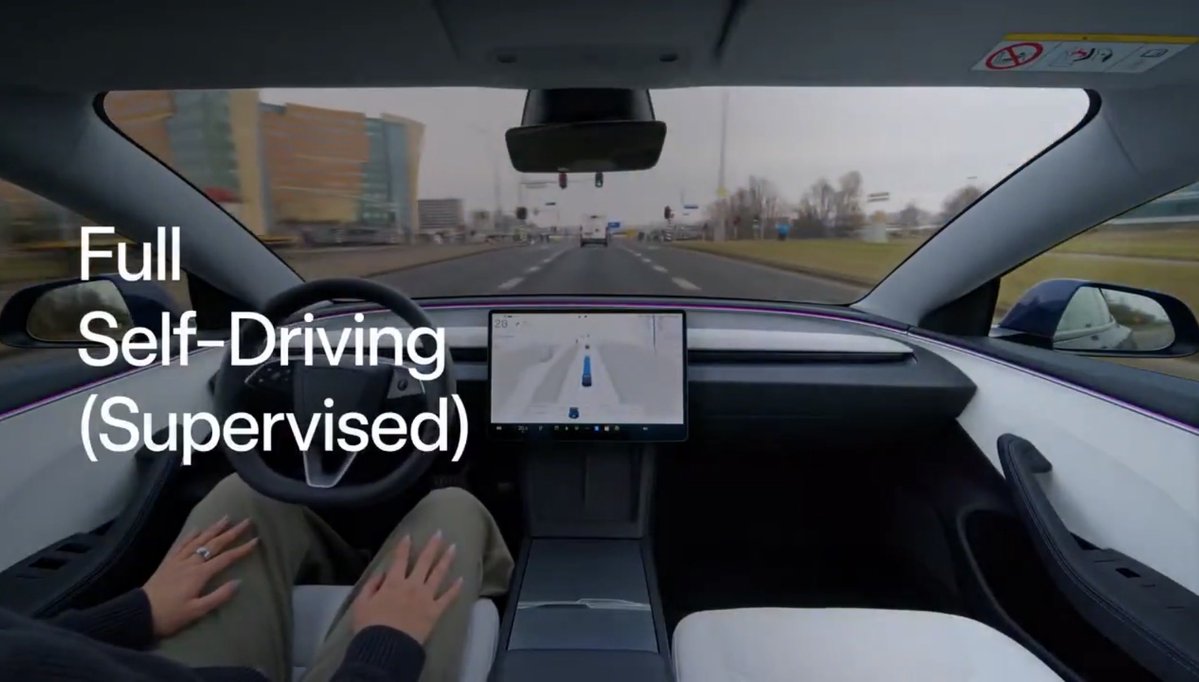
FSD Supervised is classified as SAE Level 2. That classification is not a technicality — it defines the legal and practical responsibility model. The driver is always in charge. The moment you take the wheel, the system is no longer making decisions.
What This Means If You Use FSD
The Belgium case is a useful reminder of the single most misunderstood aspect of FSD Supervised: taking over doesn't make the car safer by default. If you grab the wheel and make an abrupt or poorly-timed input, you own that outcome entirely. The system had nothing to do with it.
Belgian Tesla owners are already required to complete an in-car tutorial and pass a quiz before activating FSD for the first time — a safeguard specifically designed to ensure drivers understand this dynamic. But the lesson applies equally to owners anywhere FSD is available.
How to Take Over FSD Correctly
There's a right way and a wrong way to disengage FSD mid-maneuver. Here's what to do:
- Anticipate, don't react. If you know you want to turn earlier than the system is planning — at a roundabout, a complex intersection, or an unusual lane split — disengage before the maneuver begins, not during it. Grabbing the wheel mid-turn forces an abrupt transition.
- Use the stalk or brake to disengage cleanly. Pressing the brake pedal or double-pressing the right stalk cancels FSD and returns full control to you in a predictable way. This is cleaner than a sudden steering override.
- Don't assume the car will compensate. Once you take over, the vehicle follows your inputs. If your input is aggressive or mistimed, the car executes it. There is no safety net for driver-initiated maneuvers.
- Re-engage only when the road is clear and straight. After a manual override, wait until you're in a stable driving situation before re-activating FSD. Trying to re-engage mid-intersection or on a complex road section adds unnecessary risk.
- Stay alert even when FSD is active. Level 2 means your eyes stay on the road and your hands stay ready. The system can and will prompt you to retake control — and in some situations, like the Belgium roundabout, you may want to act before it does.
The Broader Picture
Belgium's approval of FSD Supervised in June 2026 was a meaningful regulatory step, and the Minister's swift clarification suggests authorities there are paying close attention to how incidents involving the technology are characterized publicly. Getting the facts right early — before a misleading narrative takes hold — is exactly the kind of regulatory engagement that helps FSD expand responsibly across Europe.
For owners using FSD anywhere in the world, the Belgium incident reinforces a principle that Tesla has stated from day one: you are the driver. The technology assists, but the responsibility never transfers. Knowing when and how to take over — and doing it deliberately rather than reactively — is the skill that actually keeps you safe.
Related Gear
Gear up your Tesla with tested, custom-fit BASENOR accessories — shop Tesla accessories →
Sources & reporting notes
The links below identify the material source records used for this report.
- @TeslaNewswire on X (2026-07-16T18:49:52.000Z) — Direct source
Source links are preserved as published or accessed. See our editorial standards and corrections policy.
The BASENOR Editorial Desk covers Tesla, SpaceX, and related technology, curating reporting from primary sources — official accounts, regulatory filings, and software release data. Every article passes source-record and fact-checking review before publication. About the newsroom.
This report was curated by the BASENOR Editorial Desk from the sources listed above. Read our editorial standards or email editorial@basenor.com to report an error.