
Boring Company tunnel rides are about to get significantly faster and lose their human drivers entirely. On November 27, Elon Musk confirmed that the company's tunnel network will be fully automated and optimized to deliver rides in under five minutes — a target already within reach after one route was cut from 14 minutes down to 4.

What does 'fully automated' actually mean for Boring Company tunnels?
Right now, Tesla vehicles operating in Boring Company tunnels are driven by human operators or navigate with driver assistance. Full automation means the cars will run the tunnel routes without any human in the driver's seat — essentially robotaxi operation underground. Musk's confirmation signals that the same autonomous driving stack Tesla is developing for surface roads is being applied to the controlled, predictable environment of a tunnel, where the variables are far fewer.
How did a 14-minute ride become a 4-minute ride?
The improvement comes from a combination of higher speeds, tighter vehicle spacing, and route optimization. Tunnels are a near-ideal environment for autonomous vehicles: no weather, no cyclists, no uncontrolled intersections. As the software matures and operators gain confidence in the system, speed limits inside the tunnels can be raised substantially. The jump from 14 to 4 minutes on one route suggests speeds are already being pushed well beyond the cautious early-operation pace.

Which tunnels are we talking about?
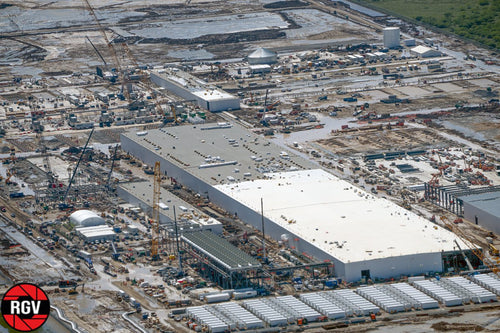
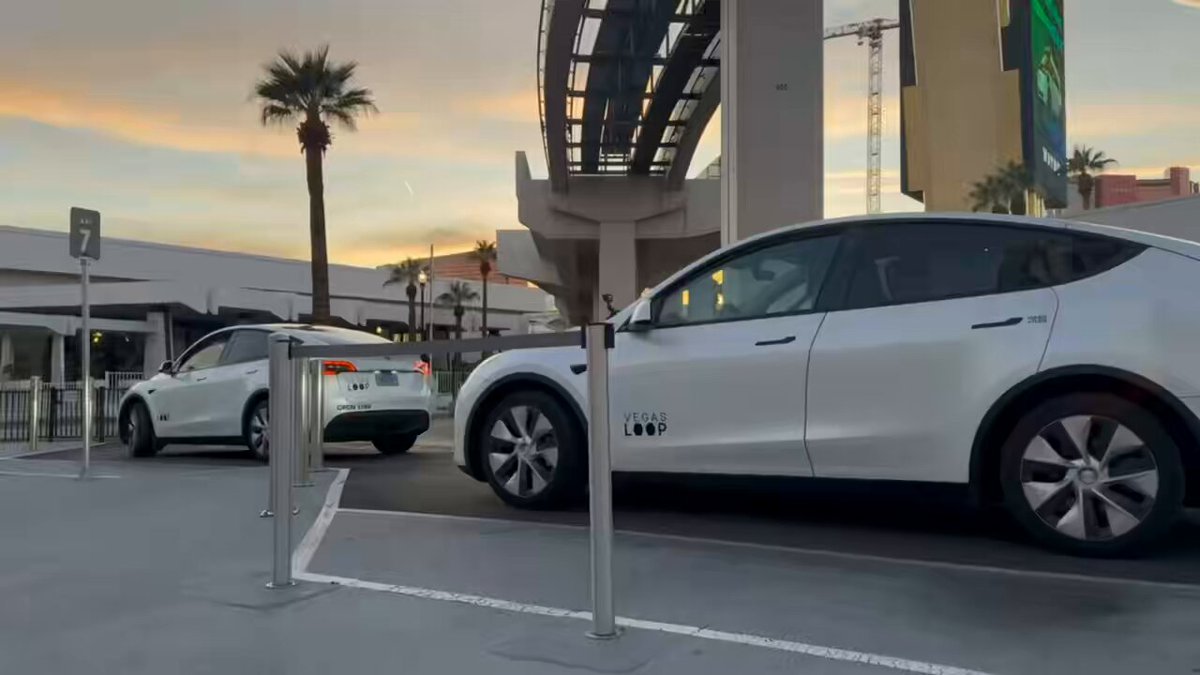
The Boring Company currently operates the Las Vegas Convention Center Loop, which connects venues across the Las Vegas Strip area. That network has been the primary proving ground for the company's tunnel transit concept. The Boring Company has also been expanding aggressively — digging is underway near Giga Texas, and a tunnel in San Antonio broke ground in November 2026. You can follow that expansion in our coverage of the Colorado River tunnel near Giga Texas and the Morgan's Inclusion tunnel in San Antonio.
Is the automation tied to Tesla's FSD technology?
The Boring Company uses Tesla vehicles — primarily Model 3s and Model Ys — as its passenger pods. The autonomous capability in tunnels would logically draw from the same FSD stack Tesla is deploying on public roads, adapted for the tunnel environment. In August 2026, the company also unveiled Liner Truck 3, a fully electric, driverless tunnel construction vehicle built using Tesla Model 3 battery technology, showing that automation is being pushed across both the construction and passenger-transport sides of the operation.
When will the sub-5-minute, fully automated rides actually launch?
Musk did not give a specific date — the confirmation was a statement of direction, not a launch announcement. Given that one route has already hit 4 minutes, the speed target appears achievable in the near term. Full automation without a human operator is the harder regulatory and engineering milestone. No timeline has been publicly committed to.
For a broader look at where the Boring Company's US tunnel network stands right now, our US tunnel push breakdown covers the key projects in progress.
Related Gear
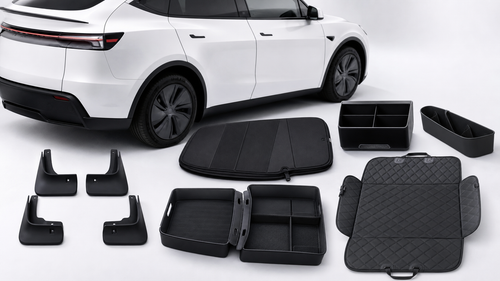
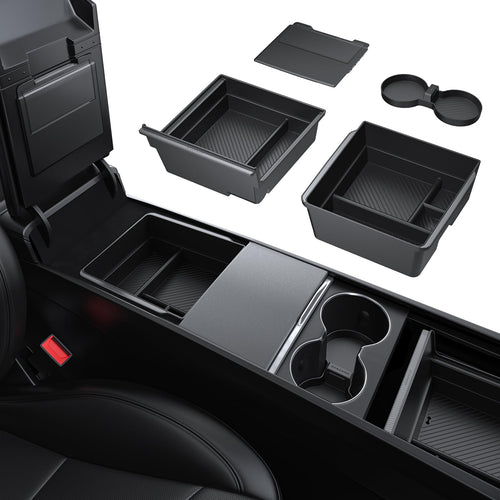
Gear up your Tesla with tested, custom-fit BASENOR accessories — shop Tesla accessories →
Sources & reporting notes
The links below identify the material source records used for this report.
- @wholemars on X (2026-11-27T19:05:31.000Z) — Direct source
- @elonmusk on X (2026-11-27T19:56:04.000Z) — Direct source
Source links are preserved as published or accessed. See our editorial standards and corrections policy.
The BASENOR Editorial Desk covers Tesla, SpaceX, and related technology, curating reporting from primary sources — official accounts, regulatory filings, and software release data. Every article passes source-record and fact-checking review before publication. About the newsroom.
This report was curated by the BASENOR Editorial Desk from the sources listed above. Read our editorial standards or email editorial@basenor.com to report an error.