California just launched one of the most substantial EV incentive programs aimed specifically at ride-share drivers. Starting this month, eligible Uber, Lyft, and HopSkipDrive drivers can claim thousands toward a new or used electric vehicle — plus an annual subsidy to help cover charging. Here's everything you need to know about how it works.

What is this program, and who's running it?
The program is called the Drivers Assistance Program, also known as Rideshare Incentives for Driving Electric (RIDE). It was approved by the California Public Utilities Commission (CPUC) on July 2, 2026, and is administered by the Center for Sustainable Energy (CSE). Funding comes from a Clean Miles Standard regulatory fee paid directly by transportation network companies — meaning Uber and Lyft are effectively helping foot the bill.
How much money can a driver actually receive?
The incentives are meaningful. Eligible drivers can receive up to $20,300 toward the purchase or lease of a new zero-emission vehicle, or up to $14,200 toward a used ZEV. On top of that, the program offers up to $1,170 per year to offset home or public charging costs. For a driver putting serious miles on a vehicle, that charging credit alone can cover a significant portion of annual electricity costs.
Who qualifies — and what are the income limits?
The program targets low- and moderate-income drivers who complete a high volume of rides. Specifically, applicants must complete at least 4,500 passenger miles per year on a qualifying platform (Uber, Lyft, or HopSkipDrive). On the income side, drivers must fall at or below 400% of the federal poverty level — which in 2026 works out to $63,840 annually for a single-person household. Drivers above that threshold are not eligible.
Does this only cover Teslas, or any EV?
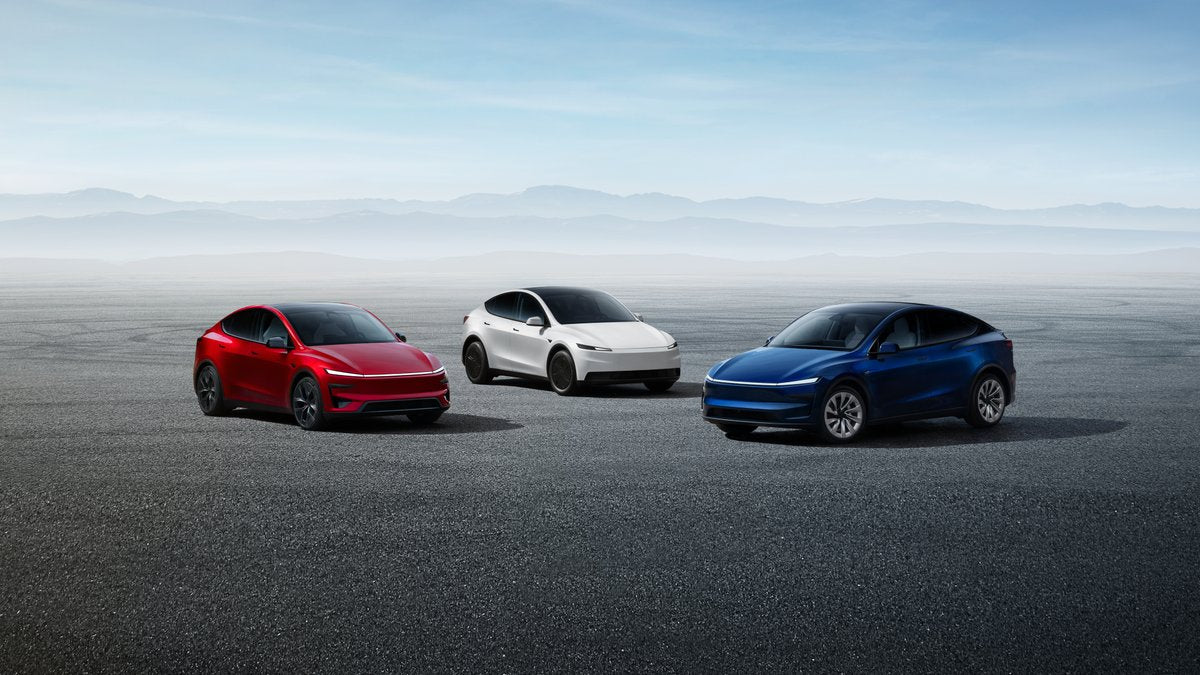
The program covers any qualifying zero-emission vehicle — it is not brand-specific. That said, Tesla models are a natural fit given their dominance in the ride-share EV space, strong resale values, and the availability of both new and used inventory at various price points. A used Model 3 or Model Y, for example, could fall well within the $14,200 used-vehicle incentive ceiling depending on the purchase price.
When does it start, and how do drivers apply?
The program officially launches this month — September 2026 — which aligns with the CPUC's anticipated Q3 2026 rollout. Applications are managed by the Center for Sustainable Energy. Drivers looking to apply should visit the CSE's official program page for eligibility verification, required documentation, and application steps. Given the income and mileage requirements, having recent earnings statements from your ride-share platform and proof of miles driven will likely be essential parts of the application.
Why is California doing this now?
Ride-share vehicles log far more miles annually than the average personal car, which means converting them to EVs has an outsized impact on emissions reduction. California's Clean Miles Standard already requires platforms like Uber and Lyft to hit specific zero-emission targets for their fleets. This program accelerates that transition by putting the financial incentive directly in drivers' hands rather than leaving it to the platforms to manage. For drivers on the fence about the upfront cost of an EV, a $20,300 incentive on a new vehicle changes the math considerably.
Sources & reporting notes
The links below identify the material source records used for this report.
- @SawyerMerritt on X (2026-09-02T18:16:54.000Z) — Direct source
- @SawyerMerritt on X (2026-09-02T18:16:56.000Z) — Direct source
Source links are preserved as published or accessed. See our editorial standards and corrections policy.
The BASENOR Editorial Desk covers Tesla, SpaceX, and related technology, curating reporting from primary sources — official accounts, regulatory filings, and software release data. Every article passes source-record and fact-checking review before publication. About the newsroom.
This report was curated by the BASENOR Editorial Desk from the sources listed above. Read our editorial standards or email editorial@basenor.com to report an error.