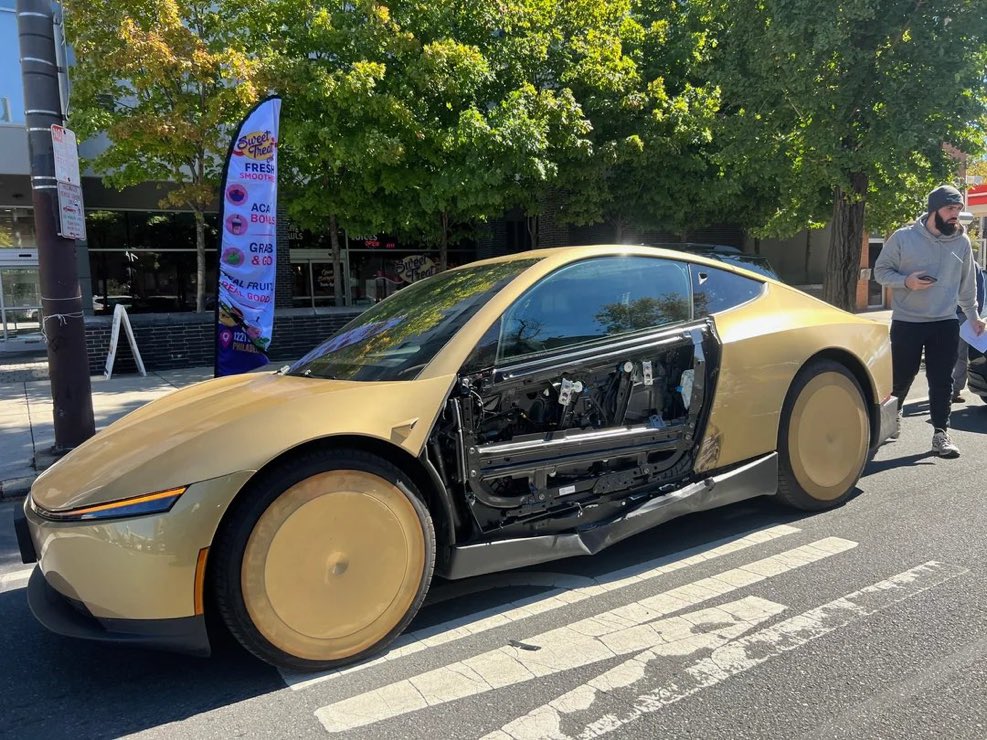
A clarification from Whole Mars Catalog is putting to rest some confusion about what the Tesla Cybercab is actually built from. The short answer: conventional steel and aluminum do the structural heavy lifting, while the eye-catching exterior pieces are Reaction Injection Molded plastic — decorative covers, not load-bearing components. Here's what that means in practice.

1. The structural frame is steel and aluminum — not plastic
Despite the Cybercab's futuristic silhouette, its bones are conventional. According to Whole Mars Catalog, the load-bearing frame is composed of steel and aluminum — the same material pairing found across Tesla's existing lineup. Aluminum castings, likely produced via Giga Press technology at Gigafactory Texas, handle certain structural nodes, while steel ties the chassis together. This isn't a shortcut; it's a deliberate choice that keeps the structure predictable, repairable, and manufacturable at scale.
2. The RIM pieces are decorative covers, full stop
Reaction Injection Molding produces the Cybercab's exterior body panels, but these are surface elements — not structural. Think of them as a skin over the steel-and-aluminum skeleton. Tesla developed its RIM process, machines, and materials in-house at Gigafactory Texas. The color is infused directly into the polyurethane material during molding, which eliminates traditional painting entirely. According to background research, this process cuts Volatile Organic Compound emissions by 100% for those parts and reduces manufacturing and supply chain emissions by 35%. Cycle times drop from hours to minutes.
3. Why Tesla chose plastic panels over metal — and it wasn't arbitrary
Tesla's VP of Engineering Lars Moravy has noted that hard materials like stainless steel were ruled out for the Cybercab's body panels on efficiency grounds. RIM plastic is lighter than stamped steel body panels, doesn't require a paint shop, and can be produced quickly on-site. For a vehicle designed to run autonomously at high utilization rates, minor cosmetic damage is also easier and cheaper to address when the outer skin is a replaceable molded piece rather than a structural metal panel.
4. The structural battery adds another layer to the picture
The Cybercab's ~48 kWh structural battery pack (47.6 kWh usable, 4680 cells in an 88S6P configuration) is integrated directly into the chassis — meaning the battery itself contributes to structural rigidity. Combined with the steel-and-aluminum frame and aluminum castings, the Cybercab ends up with a multi-material architecture where each layer has a defined job: the frame carries loads, the battery stiffens the floor, and the RIM panels define the shape. The vehicle's curb weight comes in at 3,113 lbs (1,412 kg), which is notably light for a vehicle with this level of structural integration.
The practical takeaway: the Cybercab's unconventional looks are largely a product of its exterior manufacturing process, not an exotic structural approach. Under the plastic, it's built on proven materials — which should matter to anyone thinking about long-term repairability and parts availability once the robotaxi fleet scales up.
🚕 Following the Robotaxi rollout? See every operating city, launch date and announced market in our Tesla Robotaxi Tracker.
Related Gear
Gear up your Tesla with tested, custom-fit BASENOR accessories — shop Tesla accessories →
Sources & reporting notes
The links below identify the material source records used for this report.
- @wholemars on X (2026-10-07T03:18:01.000Z) — Direct source
Source links are preserved as published or accessed. See our editorial standards and corrections policy.
The BASENOR Editorial Desk covers Tesla, SpaceX, and related technology, curating reporting from primary sources — official accounts, regulatory filings, and software release data. Every article passes source-record and fact-checking review before publication. About the newsroom.
This report was curated by the BASENOR Editorial Desk from the sources listed above. Read our editorial standards or email editorial@basenor.com to report an error.