30-Second Brief
The News: Elon Musk has confirmed a partnership with Intel on 'Terafab' — a $20–25 billion initiative to build two advanced chip factories in Austin, Texas, targeting 1 terawatt of annual AI compute capacity.
Why It Matters: Terafab chips are slated for Tesla's FSD systems, Cybercab, and Optimus robots — potentially ending Tesla's dependence on third-party chip suppliers and dramatically accelerating AI hardware development across all of Musk's companies.
Sources: @elonmusk (Tweet 1) · @elonmusk (Tweet 2)
Elon Musk and Intel Confirm Terafab Partnership — A $20–25B Bet That Could Reshape Tesla's AI Future
Elon Musk doesn't do small. But Terafab — the chip manufacturing megaproject he's now officially building with Intel — might be his most consequential infrastructure play yet for Tesla owners.
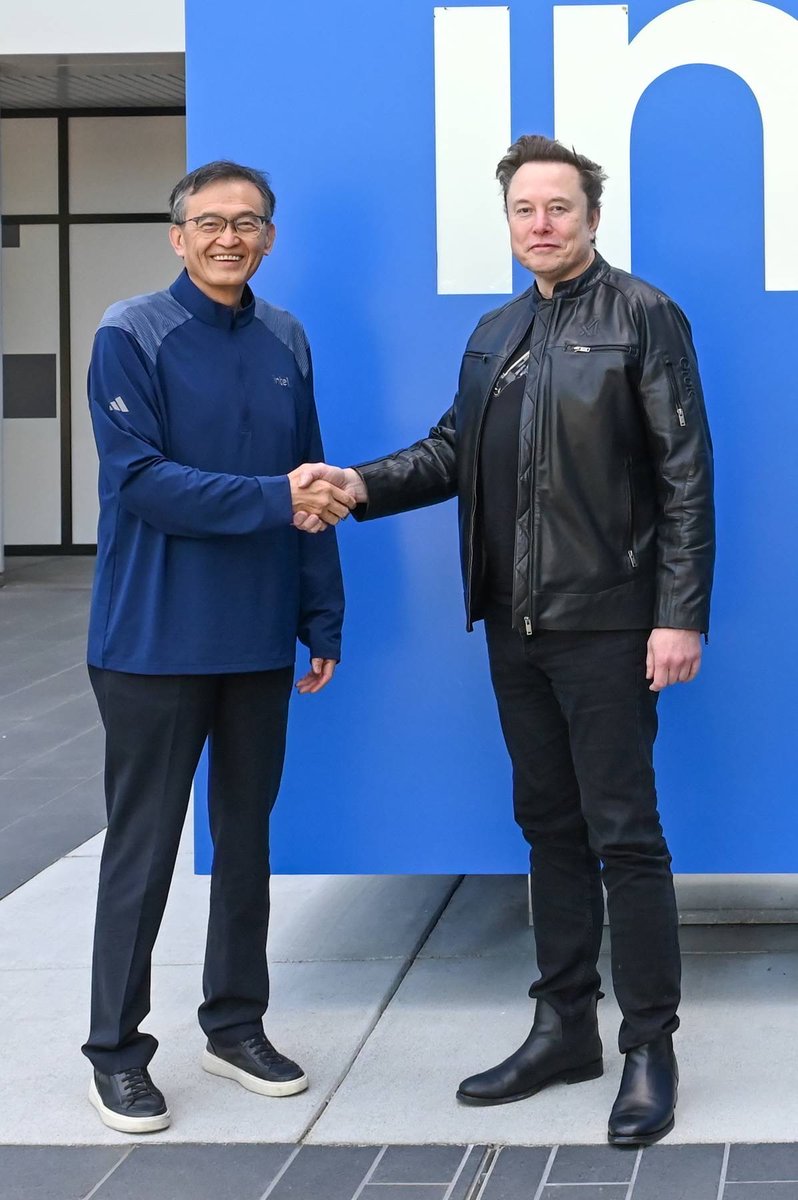
On April 7, 2026, Musk posted two back-to-back messages on X confirming the Intel partnership, personally naming Intel CEO Lip-Bu Tan in the second post. Within hours, the story had racked up over 4.8 million combined views.


📊 Key Figures
| Metric | Value | Context |
|---|---|---|
| Estimated Project Cost | $20–25 billion | Two factories in Austin, TX |
| Annual Compute Target | 1 terawatt | ~50× current global AI chip output |
| Factory Locations | 2 facilities | Austin, Texas |
| Intel Stock Reaction | +2% | Post-announcement |
| Combined X Engagement | 4.8M+ views | Across both Musk tweets |
What Is Terafab — And Why Does It Exist?
Terafab isn't a chip. It's a vertically integrated chip manufacturing ecosystem. According to verified reporting, the project consolidates the entire chip-making pipeline — design, fabrication, memory production, and advanced packaging — into a single location. That's a level of vertical integration that even the largest semiconductor players don't attempt at this scale.
Musk first unveiled the Terafab concept in March 2026, framing it as the answer to a straightforward problem: his companies — Tesla, xAI, and SpaceX — collectively need more AI compute than the global market can currently supply. Rather than compete for allocation from existing fabs, Musk is building his own.
Intel's role is specific and significant. The company brings expertise in chip design, fabrication at scale, and advanced packaging — areas where Intel has decades of institutional knowledge. Intel CEO Lip-Bu Tan visited with Musk at Intel facilities the weekend before the announcement, suggesting this partnership was in active negotiation well before the public reveal.
What Terafab Chips Are Built For
This is where it gets directly relevant to Tesla owners. According to verified reporting, Terafab's output is earmarked for:
- Tesla Full Self-Driving (FSD) — next-generation inference chips for autonomous driving
- Cybercab and Robotaxi programs — the compute backbone for Tesla's autonomous fleet
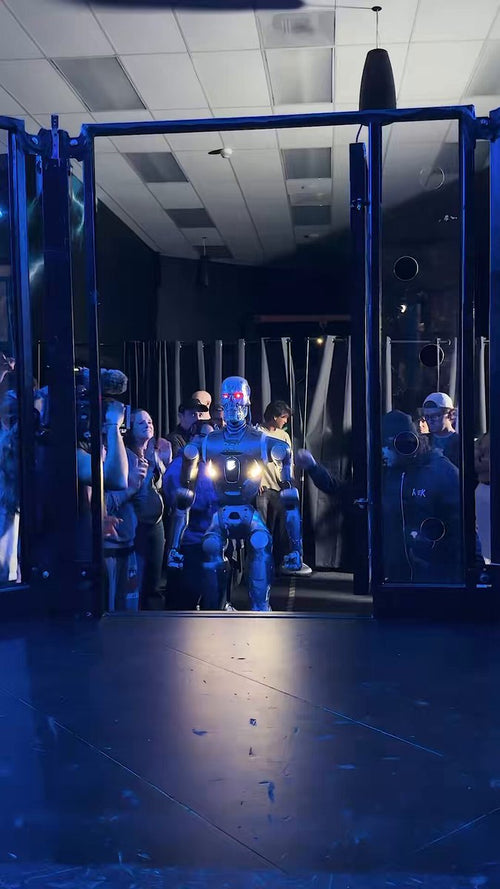
- Optimus humanoid robots — real-time AI processing for robotics
- SpaceX satellites — high-power, radiation-hardened chip variants
- xAI orbital data centers — Grok's future compute infrastructure
The 1 terawatt annual production target is the number that puts this in perspective. That figure represents approximately 50 times the current global AI chip output. Even if Terafab reaches a fraction of that goal in its first years, it would represent a seismic shift in the AI hardware landscape — and give Tesla a chip supply advantage that no competitor could easily replicate.
🔭 The BASENOR Take
Timeline: Project unveiled March 2026 → Intel partnership confirmed April 7, 2026 → Factory construction timeline not yet disclosed
Impact Level: 🔴 High — directly affects Tesla's FSD, Cybercab, and Optimus roadmap
Confidence: Medium-High — partnership confirmed by both parties via X; legal/contractual structure not yet publicly disclosed
The strategic logic here is hard to argue with. Tesla has been constrained by chip supply at multiple points in its history — from the early days of relying on Mobileye hardware to the scramble during the global semiconductor shortage. Building a captive supply chain at this scale would eliminate that vulnerability permanently.
What's notable about the Intel choice is what it signals about Terafab's ambitions. Intel isn't just a chip designer — it's one of the few companies in the world with genuine fab expertise at advanced nodes. Bringing Intel in as a fabrication partner, rather than just a design collaborator, suggests Terafab intends to produce chips that rival or exceed what TSMC currently offers to the AI industry.
The Austin location also matters. Terafab would sit in the same metropolitan area as Tesla's Gigafactory Texas and SpaceX's Starbase operations in South Texas — creating a geographic cluster of Musk-affiliated manufacturing that could become one of the most significant industrial zones in the United States.
One important caveat: as of this writing, no formal press releases or SEC filings have accompanied the announcement. The confirmation came via X posts from both Musk and Intel. The full legal and financial structure of the partnership remains undisclosed. Tesla owners and investors should watch for official filings that provide contractual specifics before drawing firm conclusions about timelines.
But the direction is clear. If Terafab delivers even a portion of its stated capacity, Tesla's ability to scale FSD, Cybercab, and Optimus would no longer be limited by what the global chip market can provide. That's a fundamentally different competitive position — and it starts with two tweets posted on a Tuesday afternoon in April 2026.
🚕 Following the Robotaxi rollout? See every operating city, launch date and announced market in our Tesla Robotaxi Tracker.
🤖 Tracking Tesla's humanoid robot? See every Optimus production milestone and appearance in our Tesla Optimus Tracker.
Related Gear
Gear up your Tesla with tested, custom-fit BASENOR accessories — shop Tesla accessories →
Sources & reporting notes
The links below identify the material source records used for this report.
- @elonmusk on X (2026-04-07T17:22:50.000Z) — Direct source
- @elonmusk on X (2026-04-07T17:18:52.000Z) — Direct source
Source links are preserved as published or accessed. See our editorial standards and corrections policy.
The BASENOR Editorial Desk covers Tesla, SpaceX, and related technology, curating reporting from primary sources — official accounts, regulatory filings, and software release data. Every article passes source-record and fact-checking review before publication. About the newsroom.
This report was curated by the BASENOR Editorial Desk from the sources listed above. Read our editorial standards or email editorial@basenor.com to report an error.