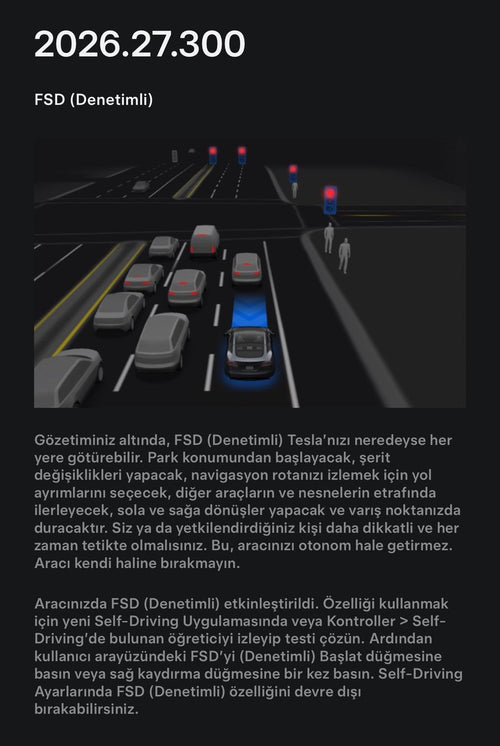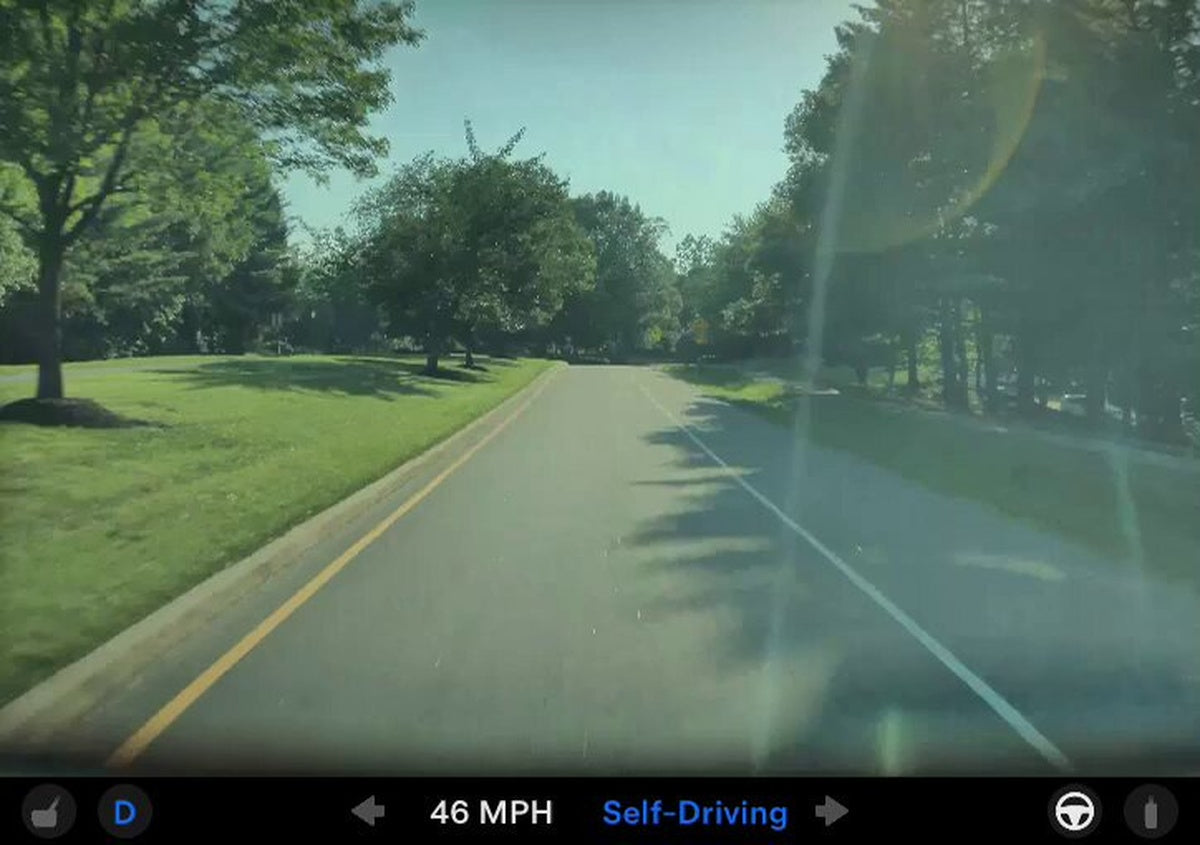
Tesla's official account posted a video on July 14 showing FSD Supervised detecting a child in the vehicle's path and reacting in time to avoid a potential collision — a moment that Tesla described simply as watching out for 'the little ones.' The clip, amplified by prominent Tesla owner and commentator Whole Mars Catalog, puts a spotlight on one of the most emotionally charged aspects of autonomous driving: protecting the most vulnerable road users.


What FSD Supervised Is Actually Doing Here
FSD Supervised operates as a Level 2 Advanced Driver-Assistance System — meaning it handles steering, acceleration, and braking, but the driver must remain attentive and ready to intervene at any moment. The child-detection scenario in the video is a product of Tesla's end-to-end neural network approach, where the system has been trained on millions of real-world video clips to recognize and respond to unpredictable objects in the road, including small, fast-moving ones like children.
This matters because children behave differently from adult pedestrians. They move erratically, dart between parked cars, and are shorter — making them harder to detect with traditional sensor setups. Tesla's vision-based system processes the full camera feed continuously, and the reaction shown in the video reflects that the system flagged the child as a high-priority hazard and initiated braking before a human driver might have consciously registered the situation.
It's worth noting context: in 2022, a third-party group claimed an earlier FSD Beta version failed to detect a stationary child-sized mannequin in controlled tests. The system has gone through substantial architectural changes since then — most notably the shift to a fully end-to-end neural network in recent versions — and real-world clips like this one represent the kind of evidence that matters most to owners using the system daily.
What Owners Should Do Right Now
If you're running FSD Supervised, this is a good moment to audit how you're using it — particularly in residential environments where children are most likely to appear unexpectedly.
- Confirm you're on the latest software. According to tesla-info.com, Tesla began rolling out software version 2024.33.15 (including FSD Supervised v12.5.5.2) around July 11, 2026. Go to Controls → Software on your touchscreen and tap Check for Updates. The latest neural network improvements are only available on current builds.
- Enable FSD Supervised in the right contexts — and be more cautious in others. FSD performs best on well-mapped roads. In school zones, residential streets, and areas with high foot traffic, treat the system as a co-pilot, not a replacement for your attention. Keep your hands on the wheel and eyes on the road.
- Calibrate your attention monitoring settings. The latest FSD versions include vision-based driver attention monitoring. Make sure cabin camera monitoring is enabled under Controls → Autopilot → Cabin Camera. This ensures the system can prompt you to re-engage if your attention drifts.
- Understand the intervention threshold. FSD Supervised will brake autonomously for detected hazards, but it is not infallible. If you see a situation developing — a child near the curb, a ball rolling into the street — take over immediately. The system is a safety net, not a guarantee.
- Report near-miss events through the app. If FSD catches something significant, or if you notice a detection failure, use the voice command 'Report' or tap the horn icon during an FSD session to flag the clip for Tesla's engineering team. These reports directly feed training data.
Why This Clip Matters Beyond the Video
Tesla sharing this footage publicly is deliberate. The company has faced ongoing federal scrutiny over FSD's ability to handle edge cases — including pedestrian detection and response to traffic signals. Demonstrating child detection in a real-world scenario, rather than a controlled test environment, is a direct counter-narrative to that criticism.
For owners, the practical takeaway is straightforward: FSD Supervised is meaningfully better at catching low-profile hazards than it was two years ago, but it still requires you in the loop. The video is a reminder of what the system can do — not a signal to disengage.
Related Gear
Gear up your Tesla with tested, custom-fit BASENOR accessories — shop Tesla accessories →
📋 Tracking Tesla software? See every firmware, FSD and app version in one place in our Tesla Software Update Tracker.
Sources & reporting notes
The links below identify the material source records used for this report.
- @Tesla on X (2026-07-14T04:51:21.000Z) — Direct source
- @wholemars on X (2026-07-14T04:47:43.000Z) — Direct source
Source links are preserved as published or accessed. See our editorial standards and corrections policy.
The BASENOR Editorial Desk covers Tesla, SpaceX, and related technology, curating reporting from primary sources — official accounts, regulatory filings, and software release data. Every article passes source-record and fact-checking review before publication. About the newsroom.
This report was curated by the BASENOR Editorial Desk from the sources listed above. Read our editorial standards or email editorial@basenor.com to report an error.