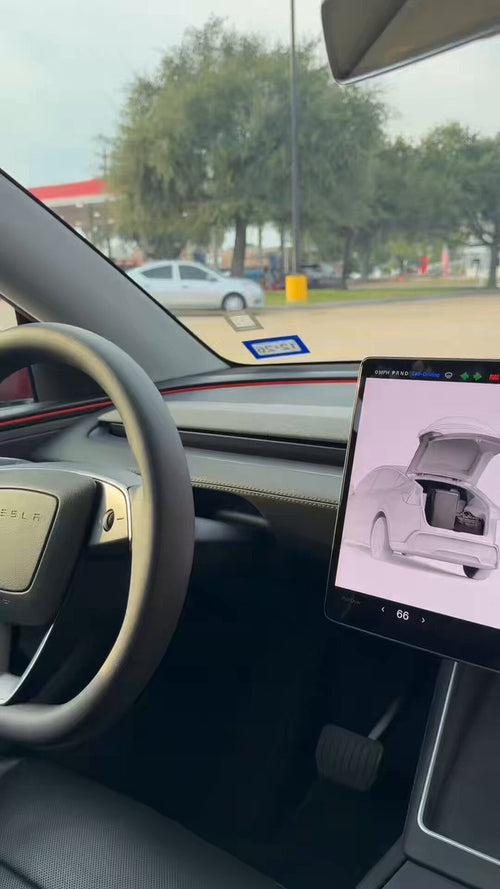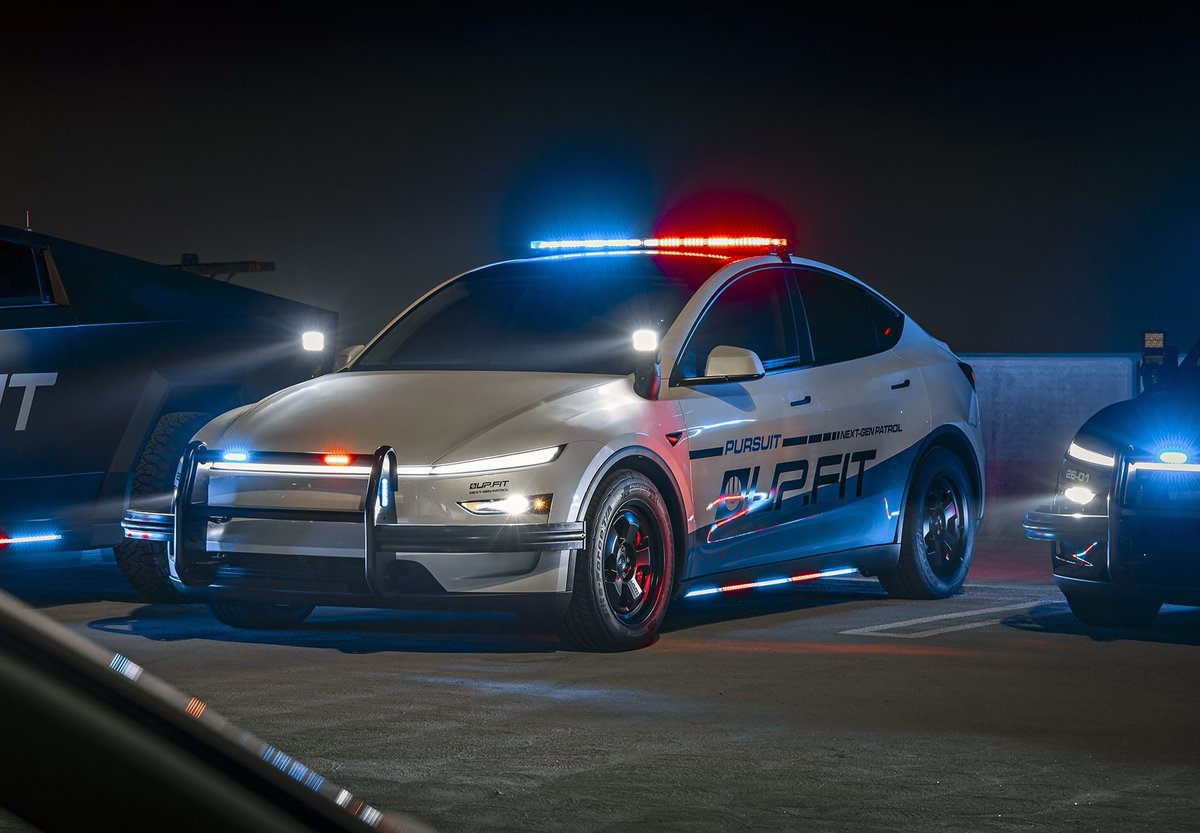
The Green Bay Police Department is doubling down on Tesla. After running two 2024 Model Ys in its traffic safety unit for roughly two years, the department secured approval to add two 2026 models — and the operating cost figures coming out of that pilot are the kind of numbers that tend to spread fast through municipal fleet managers across the country.

What the Numbers Actually Show
The headline figure is striking: less than $500 per year, per vehicle, in operating costs. According to the Chief of Police, the only maintenance the 2024 Model Ys required was windshield wiper replacements. No oil changes, no transmission service, no brake work — the regenerative braking system that EV advocates have long cited as a long-term cost advantage appears to be delivering exactly as advertised in real-world patrol conditions.
For context, a typical patrol vehicle running a traditional internal combustion engine can cost anywhere from $8,000 to $12,000 per year in fuel and maintenance alone, depending on mileage and department. The Green Bay figures, if representative, suggest a cost reduction of 95% or more on the operating side.
On June 9, 2026, the City of Green Bay Finance Committee approved the purchase of two 2026 Tesla Model Ys for a combined $89,390 — roughly $44,700 per vehicle. At sub-$500 annual operating costs, the math on total cost of ownership over a standard fleet cycle becomes compelling quickly.

Why This Matters Beyond Green Bay
Tesla North America was quick to amplify the story, noting that Teslas in government fleets reduce costs for taxpayers. That framing is deliberate — municipal fleet decisions are made by finance committees and city councils, not individual consumers, and the taxpayer angle is the most persuasive argument available in that context.
Green Bay is not alone. Other departments have been reporting similar outcomes. The Somerset Police Department in Wisconsin projected savings of over $80,000 per vehicle across a 10-year duty cycle. Bargersville, Indiana, reported approximately $80,000 in annual fuel savings across a fleet of 13 Tesla patrol cars. The pattern is consistent enough that it is beginning to look less like a pilot program anomaly and more like a structural cost advantage.
Tesla also facilitates government purchasing through a partnership with Sourcewell, which offers volume discounts of 1% to 4% for public sector and higher education buyers. That procurement pathway removes one of the traditional friction points for municipal EV adoption — the absence of a straightforward government purchasing channel.
The Practical Reality for Patrol Use
The Green Bay pilot also surfaced a less-discussed operational benefit: the ease of powering onboard electronics. Patrol vehicles carry a significant electrical load — laptops, radios, light bars, cameras — and the Model Y's onboard power architecture handles that load without the idling penalties that plague ICE patrol cars. Departments that run vehicles for extended stationary shifts have historically burned significant fuel just keeping electronics powered. That cost largely disappears in an EV.
The department also noted a meaningful reduction in tailpipe emissions during the pilot period, which carries weight for cities with sustainability commitments or air quality obligations.
Two vehicles is a small sample. But two years of real-world patrol data, a finance committee approval for expansion, and a Chief of Police willing to put a specific dollar figure on operating costs — that combination carries more credibility than a press release. Other departments watching from the sidelines now have a cleaner data point to bring to their own budget conversations.
Related Gear
Gear up your Model Y with tested, custom-fit BASENOR accessories — shop Model Y accessories →
Sources & reporting notes
The links below identify the material source records used for this report.
- @SawyerMerritt on X (2026-06-19T04:02:56.000Z) — Direct source
- @tesla_na on X (2026-06-19T04:43:06.000Z) — Direct source
Source links are preserved as published or accessed. See our editorial standards and corrections policy.
The BASENOR Editorial Desk covers Tesla, SpaceX, and related technology, curating reporting from primary sources — official accounts, regulatory filings, and software release data. Every article passes source-record and fact-checking review before publication. About the newsroom.
This report was curated by the BASENOR Editorial Desk from the sources listed above. Read our editorial standards or email editorial@basenor.com to report an error.