Elon Musk dropped a brief but loaded announcement on X late September 28: "Now @Bot works as a team." For anyone who's been following xAI's Grok roadmap, that's a significant signal. Multi-agent AI — where multiple specialized instances collaborate on tasks rather than one model handling everything alone — has been a core ambition for the platform since early 2026. Here's what the team functionality actually involves, who can access it, and what it costs.

What does "works as a team" actually mean?
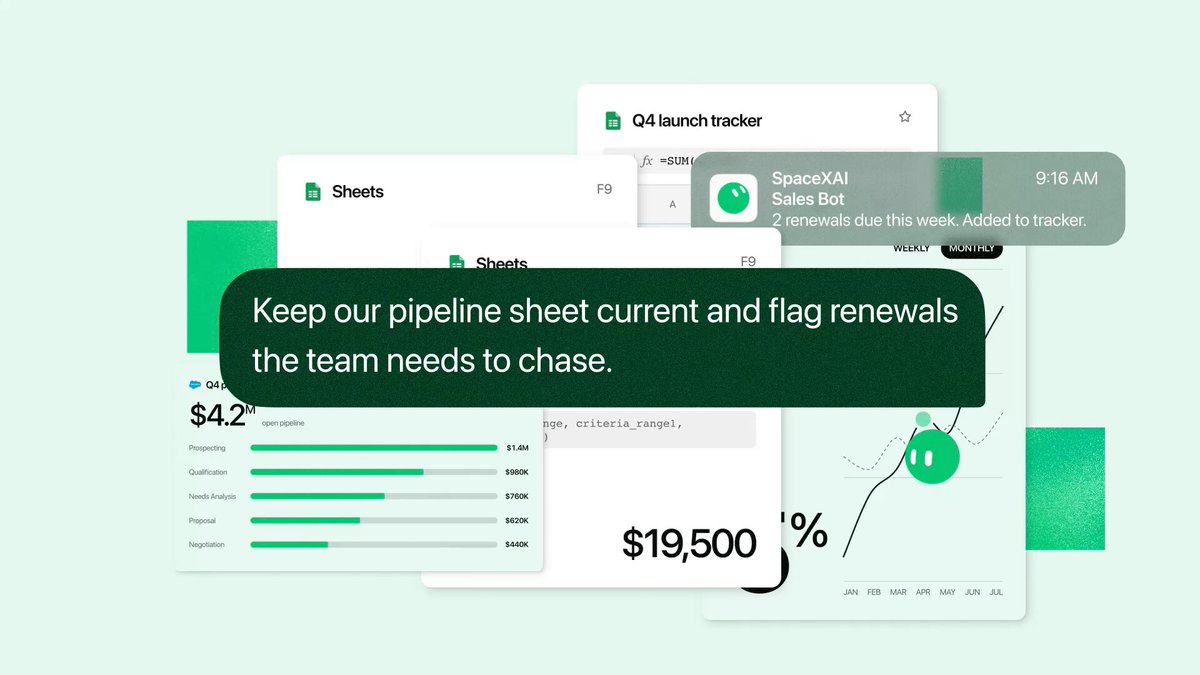
Rather than a single AI instance responding to prompts, Grok Bot now operates as a crew of individual agents that can message each other, share context, and hand off tasks. Each Bot is described by xAI as a "durable teammate" — it has a name, persistent memory across sessions, and its own dedicated cloud computer that keeps working even after you close your laptop. Multiple Bots can run simultaneously, coordinating to handle complex, multi-step workflows that would bog down a single model.
Is this actually new, or has multi-agent Grok existed before?
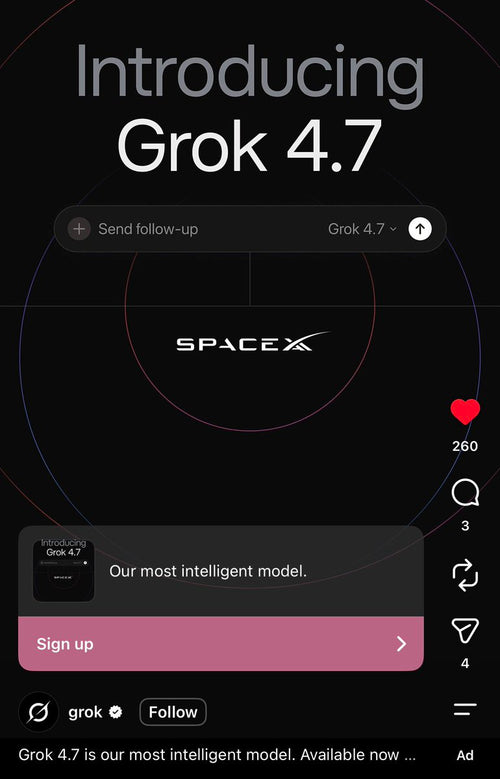
The foundation was laid earlier. According to background research, Grok 4.20 (Beta), launched in mid-February 2026, introduced a four-agent multi-agent collaboration system, and the grok-4.20-multi-agent-0309 model has been available to developers via API with a 1,000,000-token context window. What Musk's announcement appears to mark is the broader rollout of team functionality to standard users and business plans — not just developers working through the API. The Grok 4.7 model, released September 21, was specifically trained to natively understand the Grok Bot harness, which likely underpins the improved coordination being shown off now.
What can a Grok Bot team actually do in practice?
According to xAI's documentation, individual Bots can log into applications and websites, retain memory from previous tasks, and share that context with other Bots in the crew. The cloud machine provisioned for each Bot comes with 8 vCPUs, roughly 16 GB of RAM, and around 120 GB of usable disk space — enough to run browsers, development environments, and productivity tools continuously. Think of it less like a chatbot and more like a group of persistent AI employees who remember your past projects and can divide up work between them.
Who has access right now?
Access is tiered. Grok Bot in team mode is available to paid Cursor plan subscribers (starting at $20/month) and SuperGrok plan subscribers (starting at $30/month). Enterprise customers — those on Grok Business or Cursor Enterprise — gained access on September 3, 2026, with organization-wide controls, network policies, and audit logs included. The multi-agent mode with the largest team size and highest speed sits behind the SuperGrok Heavy tier, currently priced at $300/month with a promotional discount to $99 for the first three months.
What does the team plan pricing look like?
The Grok Business plan runs $30 per seat per month, or $25 per seat monthly when billed annually. That tier includes shared billing, centralized admin controls, and a commitment that user data is not used for model training — a meaningful guarantee for professional users. Individual SuperGrok plans start at $30/month for standard team access, scaling up to the Heavy tier for full multi-agent throughput.
Does this have any relevance to Tesla owners specifically?
Directly, not yet — Grok's in-car integration on Tesla vehicles remains a voice assistant feature rather than a full agentic system. But the underlying architecture matters for where things are heading. xAI's multi-agent framework is the same technology stack that feeds into broader Musk-ecosystem projects, and as Grok's capabilities expand on desktop and mobile, more sophisticated in-vehicle integrations become a realistic next step. For now, the team functionality lives in Cursor and the SuperGrok web and app environment, not on your center screen.
Sources & reporting notes
The links below identify the material source records used for this report.
- @elonmusk on X (2026-09-28T23:08:10.000Z) — Direct source
Source links are preserved as published or accessed. See our editorial standards and corrections policy.
The BASENOR Editorial Desk covers Tesla, SpaceX, and related technology, curating reporting from primary sources — official accounts, regulatory filings, and software release data. Every article passes source-record and fact-checking review before publication. About the newsroom.
This report was curated by the BASENOR Editorial Desk from the sources listed above. Read our editorial standards or email editorial@basenor.com to report an error.