One of the quietest arguments for autonomous vehicles has nothing to do with safety statistics or commute times — it's about land. A post from Whole Mars Catalog this week put it plainly: if your car can drive itself to a parking spot, cities don't need to dedicate enormous chunks of real estate to storing vehicles near where people live and work.

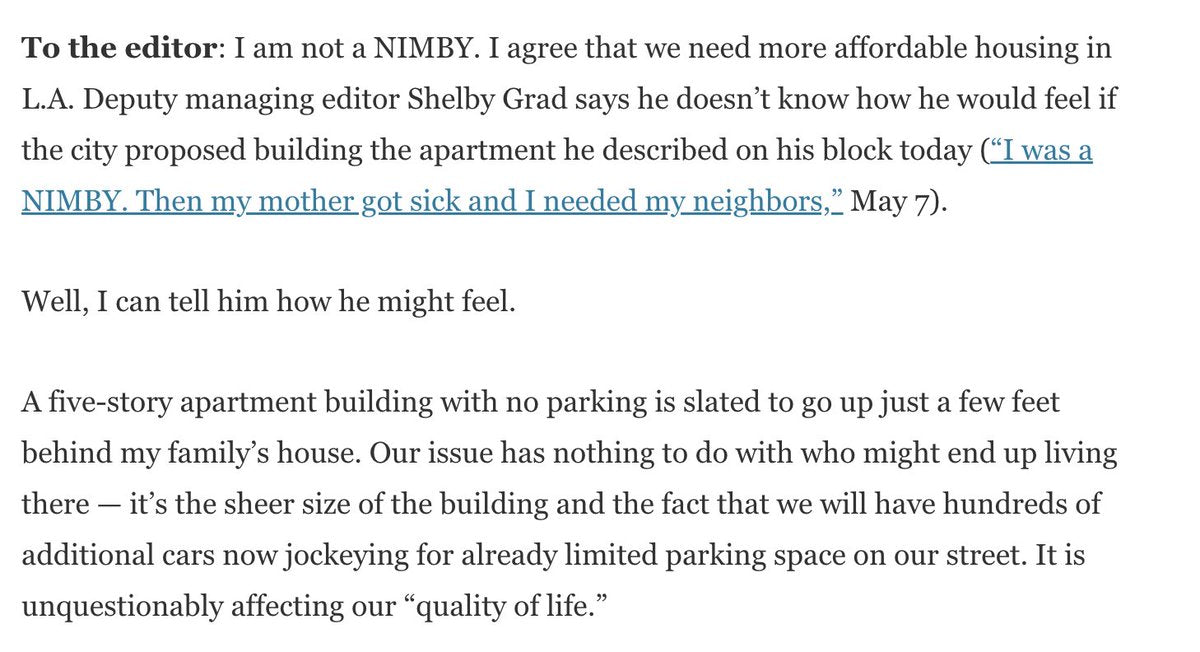
The logic is straightforward. Parking minimums — zoning rules that require developers to include a set number of parking spaces per unit or square foot — are one of the most significant constraints on urban housing density. In many American cities, a single surface parking space consumes roughly 330 square feet of land, and structured parking garages cost anywhere from $25,000 to $50,000 per stall to build. That cost gets baked into housing prices. Remove the requirement, and suddenly a developer can build more units on the same footprint at lower cost per door.
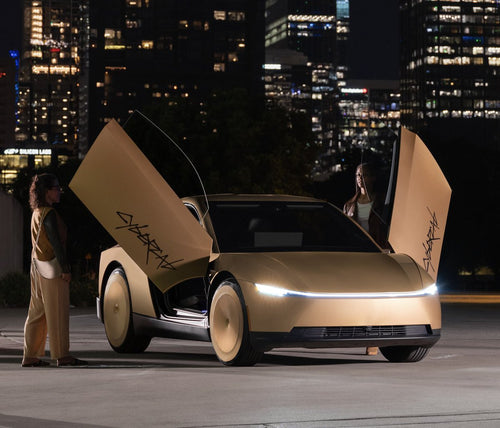
Tesla's Full Self-Driving (Supervised) system is currently classified as SAE Level 2 automation — meaning a human driver must remain attentive. True autonomous parking at scale, where a car drops you off and finds its own remote spot without any supervision, requires higher levels of autonomy. Tesla launched a robotaxi pilot in 2025, and the broader Cybercab platform is designed around exactly this use case: a vehicle that operates without a dedicated human operator. That's the threshold at which urban planners would realistically begin revisiting parking minimums.
The ripple effects go beyond just housing supply. Parking lots and garages currently occupy an estimated 5,000 to 17,000 square miles of land in the United States alone, according to various urban planning estimates. Even a partial conversion of that land — as autonomous vehicle adoption grows and cities relax parking requirements — represents a generational shift in how urban cores are structured. Ground-floor retail, parks, affordable housing, and mixed-use development all become more viable when land isn't locked up in asphalt.
Whether that future arrives in five years or twenty depends heavily on regulatory timelines and how quickly full autonomy scales beyond pilot programs. But the underlying argument is already influencing zoning reform conversations in cities like San Francisco, Minneapolis, and Austin, which have moved to reduce or eliminate parking minimums in recent years — well ahead of autonomous vehicles becoming mainstream. The AV transition, when it comes, may accelerate a trend that's already quietly underway.
Related Gear
Gear up your Tesla with tested, custom-fit BASENOR accessories — shop Tesla accessories →
Sources & reporting notes
The links below identify the material source records used for this report.
- @wholemars on X (2026-05-14T00:35:22.000Z) — Direct source
Source links are preserved as published or accessed. See our editorial standards and corrections policy.
The BASENOR Editorial Desk covers Tesla, SpaceX, and related technology, curating reporting from primary sources — official accounts, regulatory filings, and software release data. Every article passes source-record and fact-checking review before publication. About the newsroom.
This report was curated by the BASENOR Editorial Desk from the sources listed above. Read our editorial standards or email editorial@basenor.com to report an error.