📌 UPDATE — June 28, 2026
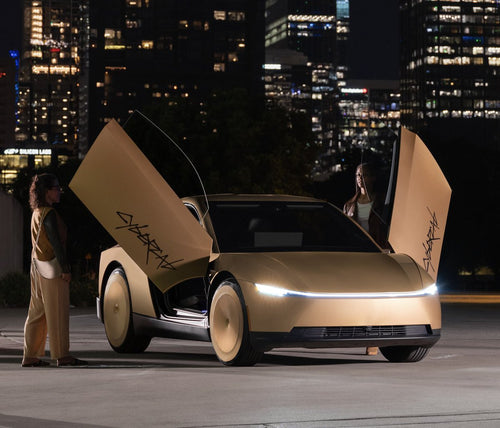
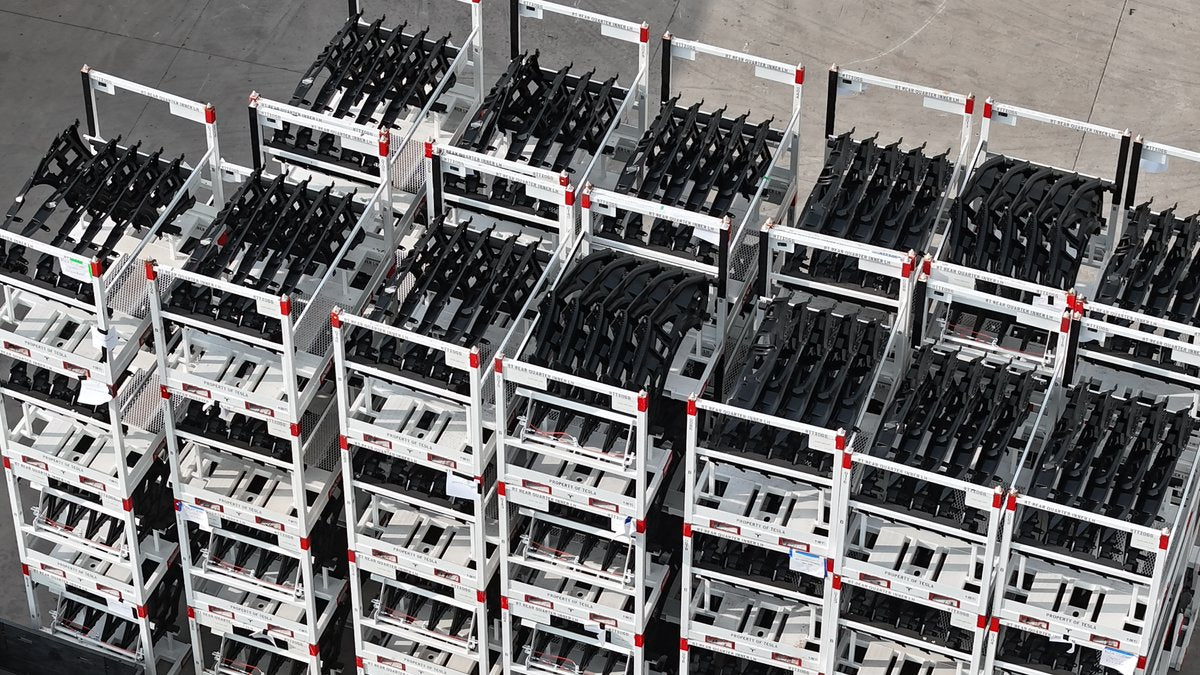
New imagery from Joe Tegtmeyer provides a closer look at the bonding process at Giga Texas, showing the black rear inner quarter panel mated directly to the gold-colored outer panel. Additional racks of inner quarter panels were also spotted outside the plastics shop, suggesting active, ongoing production runs rather than isolated test builds. The photos offer the clearest confirmation yet of how Tesla is assembling the thermoplastic body structure at scale, with inner and outer panels bonded together as a unified subassembly before moving further down the line.


A new look inside Giga Texas is shedding light on how Tesla is physically assembling the Cybercab. Drone observer Joe Tegtmeyer spotted what are labeled 'RT Rear Quarter Inner' panels in the plastics manufacturing section of the factory — components that bond directly to the gold thermoplastic injection-molded outer panels that form the Cybercab's distinctive body.

The detail matters because it gives the clearest picture yet of how the Cybercab's body panels are constructed. Rather than stamped steel like a conventional vehicle, the outer skin uses gold thermoplastic injection molding — a process suited to the Cybercab's curved, minimalist exterior. The inner quarter panels are then bonded to those outer skins, building up the structural sandwich that makes up the rear body section.
This fits with what Tesla has described more broadly as its 'Unboxed' manufacturing approach, which builds the Cybercab in parallel modules rather than along a traditional linear assembly line. According to production tracking data, the factory was hitting 120 units per day as of mid-June 2026, with mass production having officially kicked off in April. The use of thermoplastic panels — lighter and more moldable than steel — is a key enabler of that ramp, since the parts can be produced quickly in-house at the factory's own plastics section rather than sourced from traditional stamping suppliers.
With a public fleet launch expected sometime this summer and a target price around $25,000, every production detail that emerges from Giga Texas adds a piece to the puzzle of how Tesla plans to build this vehicle at the scale it needs — eventually one every 10 seconds at full capacity, according to Elon Musk's stated ambitions.
🚕 Following the Robotaxi rollout? See every operating city, launch date and announced market in our Tesla Robotaxi Tracker.
Related Gear
Gear up your Tesla with tested, custom-fit BASENOR accessories — shop Tesla accessories →
Sources & reporting notes
The links below identify the material source records used for this report.
- @JoeTegtmeyer on X (2026-06-26T20:52:25.000Z) — Direct source
- @JoeTegtmeyer on X (2026-06-27T23:35:30.000Z) — Direct source
Source links are preserved as published or accessed. See our editorial standards and corrections policy.
The BASENOR Editorial Desk covers Tesla, SpaceX, and related technology, curating reporting from primary sources — official accounts, regulatory filings, and software release data. Every article passes source-record and fact-checking review before publication. About the newsroom.
This report was curated by the BASENOR Editorial Desk from the sources listed above. Read our editorial standards or email editorial@basenor.com to report an error.