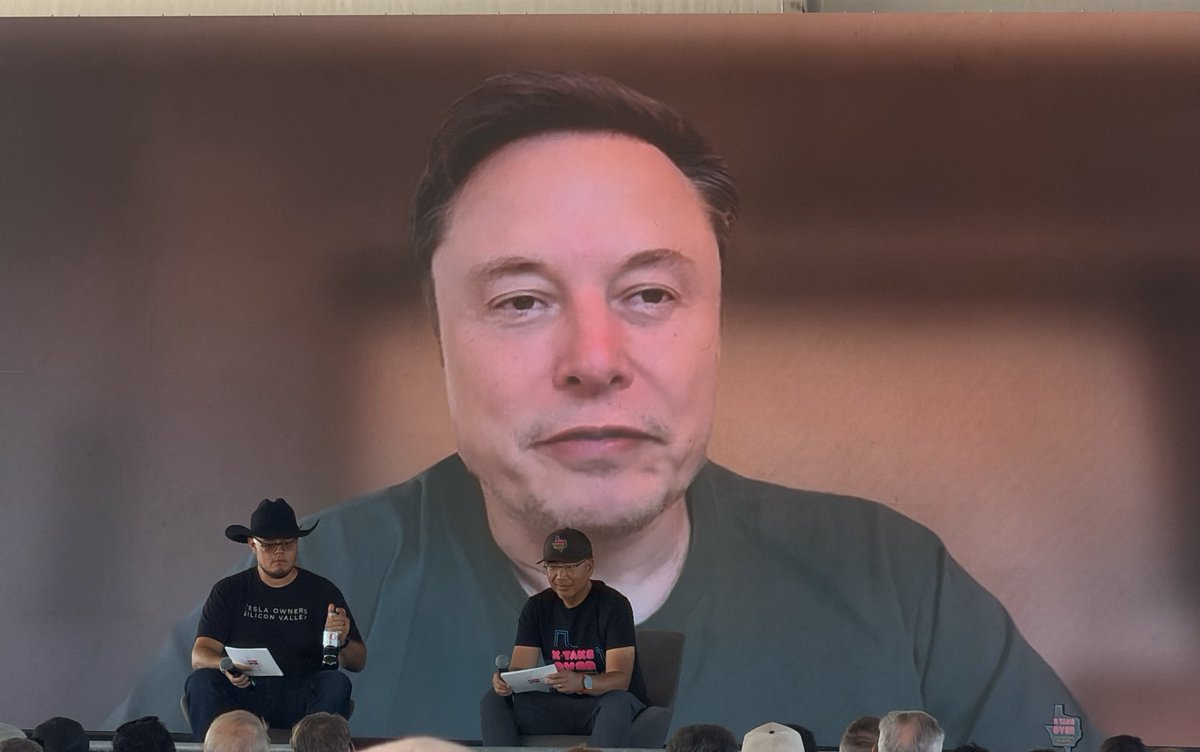
Elon Musk is finally spelling out the strategic logic behind one of the most consequential — and quietest — AI acquisitions of 2026. In a new interview clip surfaced Friday evening, Musk confirmed SpaceX's acquisition of Cursor and framed it as a bet on two things: training data at scale and an enterprise sales motion that most AI labs still lack.
"In order to create a compelling AI, you need to have a lot of training data," Musk said. "There's a lot of talented people at Cursor. They had a good enterprise sales team."

The Deal in Context
SpaceX officially closed its acquisition of Cursor — the AI coding assistant built by Anysphere, Inc. — on August 14, 2026, in an all-stock transaction valued at roughly $60 billion, according to reporting from SiliconAngle, Forbes, and Technology Magazine. Anysphere is now a wholly-owned subsidiary of SpaceX, and Cursor's engineering team has been folded into the broader SpaceXAI organization that was formed earlier this year when xAI was absorbed into SpaceX.
The structure of the deal was unusual. According to prior reporting, SpaceX and Cursor entered into a partnership in April 2026 that gave SpaceX an option: pay $10 billion for a deep collaboration, or exercise a $60 billion all-stock acquisition. After SpaceX's public market debut in June 2026, the full acquisition was approved and executed within weeks.
Why Musk Keeps Returning to "Training Data"
Musk's framing in the new interview — that compelling AI requires "a lot of training data" — tracks with the operational reality SpaceXAI has been building. Cursor, founded in 2022, processes an enormous volume of real-world developer activity: code edits, agentic task completions, debugging sessions, and refactors across its enterprise user base. That stream is some of the highest-signal training data available for any coding or reasoning model, because it reflects what professional engineers actually do, not what they say they do on public forums.
In exchange, Cursor got what its own blog described as access to "the largest fleet of GPUs in the world," including SpaceX's Colossus supercomputer cluster. The first visible output of that pairing is Grok 4.6, an AI model tuned for coding, agentic workflows, and knowledge work that shipped shortly after the deal closed.
Key Figures
| Metric | Value |
|---|---|
| Deal value | ~$60 billion (all stock) |
| Close date | August 14, 2026 |
| Partnership announced | April 2026 |
| Cursor founded | 2022 (as Anysphere, Inc.) |
| Parent org | SpaceXAI (merged with xAI earlier in 2026) |
| First post-deal model | Grok 4.6 (coding + agentic focus) |
The Enterprise Sales Angle Nobody Is Talking About
Musk's second comment deserves more attention than it got. Enterprise sales teams are notoriously hard to build inside AI research labs — the cultures rarely mix, and most frontier labs have treated distribution as an afterthought. Cursor shipped a working enterprise motion before it hit $60 billion in valuation, with real paying teams at real companies writing real code.
By bolting that team onto SpaceXAI, Musk gets something OpenAI and Anthropic have each struggled to replicate internally: a tested go-to-market organization that already knows how to close contracts with developer-heavy enterprises. That matters because the next phase of AI competition will be won in corporate procurement cycles, not benchmark leaderboards.
What It Means for the Broader Musk Portfolio
The acquisition reshapes the SpaceXAI stack in three concrete ways. First, it consolidates the AI compute, data, and distribution layers under one roof. Second, it gives SpaceX a non-aerospace revenue line with high gross margins — enterprise AI subscriptions — that can help underwrite capital-intensive projects like Starship and Starlink expansion. Third, it tightens the loop between SpaceXAI research and Tesla's AI needs, since many of the agentic coding capabilities Cursor was already shipping are directly relevant to the robotics software stack powering Optimus and FSD.
That last point is where this becomes interesting for Tesla owners and watchers. SpaceXAI is a separate corporate entity, but the model work — Grok 4.6 and whatever comes after — flows through the same technical leadership that influences Tesla's AI direction. Better coding and agentic models at SpaceXAI tend to show up, eventually, as better in-car assistants, better voice command handling, and better developer tooling for the teams building FSD.
What to Watch Next
- Grok 4.6 adoption inside Cursor's enterprise base — the first real test of whether the merger is producing a better product, not just a bigger balance sheet.
- Pricing moves — SpaceXAI now controls both a frontier model and a distribution channel. Expect aggressive bundling against Anthropic's Claude Code and GitHub Copilot.
- Compute disclosure — any further detail on how much of Colossus is being allocated to Cursor workloads versus xAI's consumer Grok product.
- Tesla crossover — whether any of Cursor's agentic frameworks surface in Tesla's internal tooling or in-vehicle AI features over the next few quarters.
Musk's interview comments were short, but they were also the clearest articulation yet of why SpaceX wrote a $60 billion check for a four-year-old coding company. Data and distribution — not model architecture — are the moat he's building.
Related Gear
Gear up your Tesla with tested, custom-fit BASENOR accessories — shop Tesla accessories →
Sources & reporting notes
The links below identify the material source records used for this report.
- @SawyerMerritt on X (2026-10-10T22:05:55.000Z) — Direct source
Source links are preserved as published or accessed. See our editorial standards and corrections policy.
The BASENOR Editorial Desk covers Tesla, SpaceX, and related technology, curating reporting from primary sources — official accounts, regulatory filings, and software release data. Every article passes source-record and fact-checking review before publication. About the newsroom.
This report was curated by the BASENOR Editorial Desk from the sources listed above. Read our editorial standards or email editorial@basenor.com to report an error.