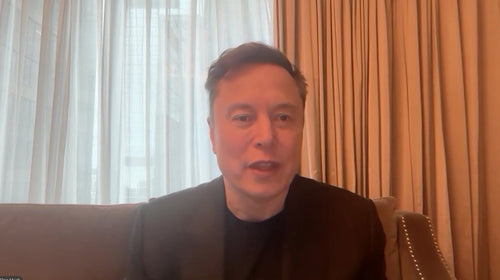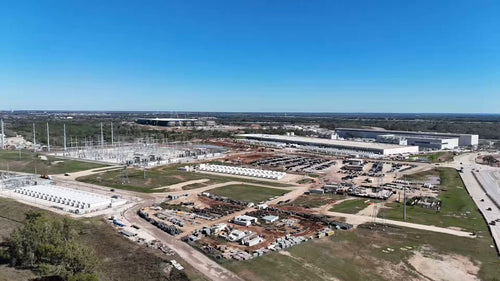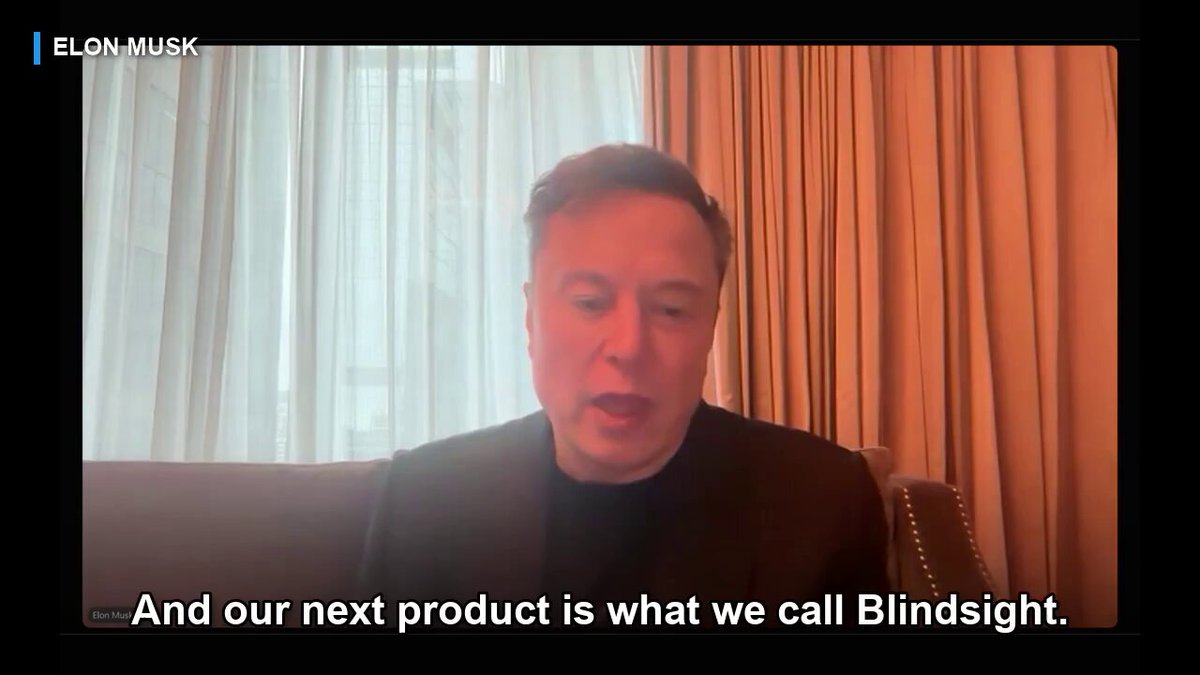
Elon Musk said Thursday that Neuralink's Blindsight vision-restoration implant is now finished from an engineering standpoint and is 'just waiting for regulatory approval' — a short post that nonetheless marks one of the most consequential status updates Neuralink has issued on its second product line to date.
The claim, posted to X with an accompanying video, echoes language Musk used on October 30, suggesting the company has held its position for roughly three weeks: the hardware is ready, the software is ready, and the gating item is now the U.S. Food and Drug Administration (FDA). What it does not confirm — and what the public record still cannot verify — is when, where, or in whom the first implant will actually occur.

What Blindsight Is Designed to Do
Blindsight is Neuralink's second product, following the N1 implant used in its paralysis trial. Unlike N1, which reads motor-cortex signals to let paralyzed users control a cursor, Blindsight writes to the brain — specifically to the visual cortex. The device bypasses the eyes and optic nerves entirely, taking camera-captured imagery and translating it into patterns of electrical stimulation delivered directly to visual-processing neurons.
The target population is broad in theory and narrow in practice: people who are completely blind, including those blind from birth, provided their visual cortex remains intact. Musk has previously said early versions will produce low-resolution vision — he has compared it to early Atari-era graphics — before improving over time as the electrode count and signal-processing stack mature.
Where the Regulatory Path Actually Stands
Musk's framing — 'just waiting for regulatory approval' — is accurate in the narrow sense that Neuralink cannot proceed with human implantation of Blindsight without FDA clearance. But the context is more layered than a single post can convey.
According to publicly available filings, the FDA granted Blindsight Breakthrough Device Designation in September 2024. That designation is designed to accelerate review for devices targeting serious or life-threatening conditions. It does not, however, constitute approval for commercial sale or clinical use, and it explicitly does not establish safety or effectiveness. All Neuralink implants remain investigational.
More notably, as of early November 2026, no Blindsight vision-restoration study appears on ClinicalTrials.gov, the U.S. clinical trial registry. Neuralink's own website lists two ongoing trials — one for paralysis (the PRIME study) and one for speech restoration — but nothing for Blindsight. The specific authorization Musk is referring to has not been publicly clarified by Neuralink, which leaves open whether the company is awaiting an Investigational Device Exemption (IDE) to begin a first-in-human feasibility study, or something else.
Key Facts on the Record
| Item | Status |
|---|---|
| FDA Breakthrough Device Designation | Granted September 2024 |
| FDA approval for clinical or commercial use | Not granted |
| Public Blindsight trial listing on ClinicalTrials.gov | None as of early November 2026 |
| First human Blindsight implant | Not confirmed |
| Independent clinical evidence of vision restoration | Not released |
How We Got Here
Neuralink previously outlined a goal of welcoming its first Blindsight participant in 2026. That target has effectively slipped: Musk said in January 2026, and again on October 30, that preparations for a first implant were ready pending regulatory sign-off. His November 20 post reiterates the same bottleneck without naming a new timeline.
The company's paralysis program offers a template for what approval might look like. The PRIME study began enrolling in 2024 under an FDA IDE, and by late 2026 Neuralink had implanted multiple participants who have demonstrated cursor control, gameplay, and computer-assisted communication. Blindsight represents a meaningfully harder technical problem — stimulating cortex to produce coherent perceptual experience is categorically different from reading motor intent — and the regulatory bar for a 'write' interface in a sensory cortex is correspondingly higher.
What to Watch Next
Three signals will indicate whether Musk's statement is translating into measurable progress rather than restating an existing position:
- A Blindsight entry on ClinicalTrials.gov. Once an IDE is granted and a study is initiated, registration typically follows. Its absence is the clearest public indicator that human trials have not yet begun.
- An update to Neuralink's own website. The company currently lists two active studies. A third would signal a formal trial launch.
- A named first participant. Neuralink has historically introduced its paralysis-trial participants publicly after implantation. A Blindsight equivalent would confirm the device has moved from engineering-complete to clinical reality.
Why This Matters Beyond Neuralink
Blindsight sits inside a broader category of visual-cortex prosthetics that researchers have been attempting for decades, with limited success outside controlled laboratory environments. If Neuralink's higher-electrode-count approach can deliver usable perception — even at low resolution — it would represent a notable step for brain-computer interfaces generally, and would likely accelerate regulatory and investor interest across the field.
For now, though, the public record supports a narrower reading of Thursday's announcement: the hardware exists, the company says it is ready, and the next verifiable milestone is not a product launch but a trial registration. Until that appears, 'awaiting regulatory approval' is where Blindsight remains.
Sources & reporting notes
The links below identify the material source records used for this report.
- @elonmusk on X (2026-11-20T16:34:21.000Z) — Direct source
Source links are preserved as published or accessed. See our editorial standards and corrections policy.
The BASENOR Editorial Desk covers Tesla, SpaceX, and related technology, curating reporting from primary sources — official accounts, regulatory filings, and software release data. Every article passes source-record and fact-checking review before publication. About the newsroom.
This report was curated by the BASENOR Editorial Desk from the sources listed above. Read our editorial standards or email editorial@basenor.com to report an error.