A federal safety investigation into Tesla's Full Self-Driving system just got a lot more specific. The National Highway Traffic Safety Administration has formally requested an internal Tesla document titled 'Radar Saves Us' — a title that, on its own, says a great deal about what Tesla engineers privately thought of the company's shift to a camera-only system. The deadline for Tesla to respond is August 12, 2026, and the stakes for millions of FSD-equipped vehicles are real.

What's Actually Happening
On July 2, 2026, NHTSA sent Tesla a 24-part information demand as part of Engineering Analysis EA26002 — an investigation escalated from a preliminary evaluation in March 2026. The probe covers roughly 3.2 million Tesla vehicles that have run FSD in the United States, spanning 2016–2026 Model S and X, 2017–2026 Model 3, and 2020–2026 Model Y vehicles.
The investigation is tied to nine crashes where FSD was active in reduced-visibility conditions — sun glare, fog, and airborne dust that degrade camera performance. One of those crashes was fatal. Six additional potentially related incidents are also under review.
Within that 24-part demand, NHTSA specifically called out the 'Radar Saves Us' document by name. According to the agency, the document 'appears particularly relevant to related design changes to the degradation detection system and Tesla's understanding of the limitations imposed by a vision-only OEDR system.' Tesla had previously submitted this document during an earlier preliminary investigation (PE24031-01), which is how NHTSA knew to ask for it again in this expanded probe.
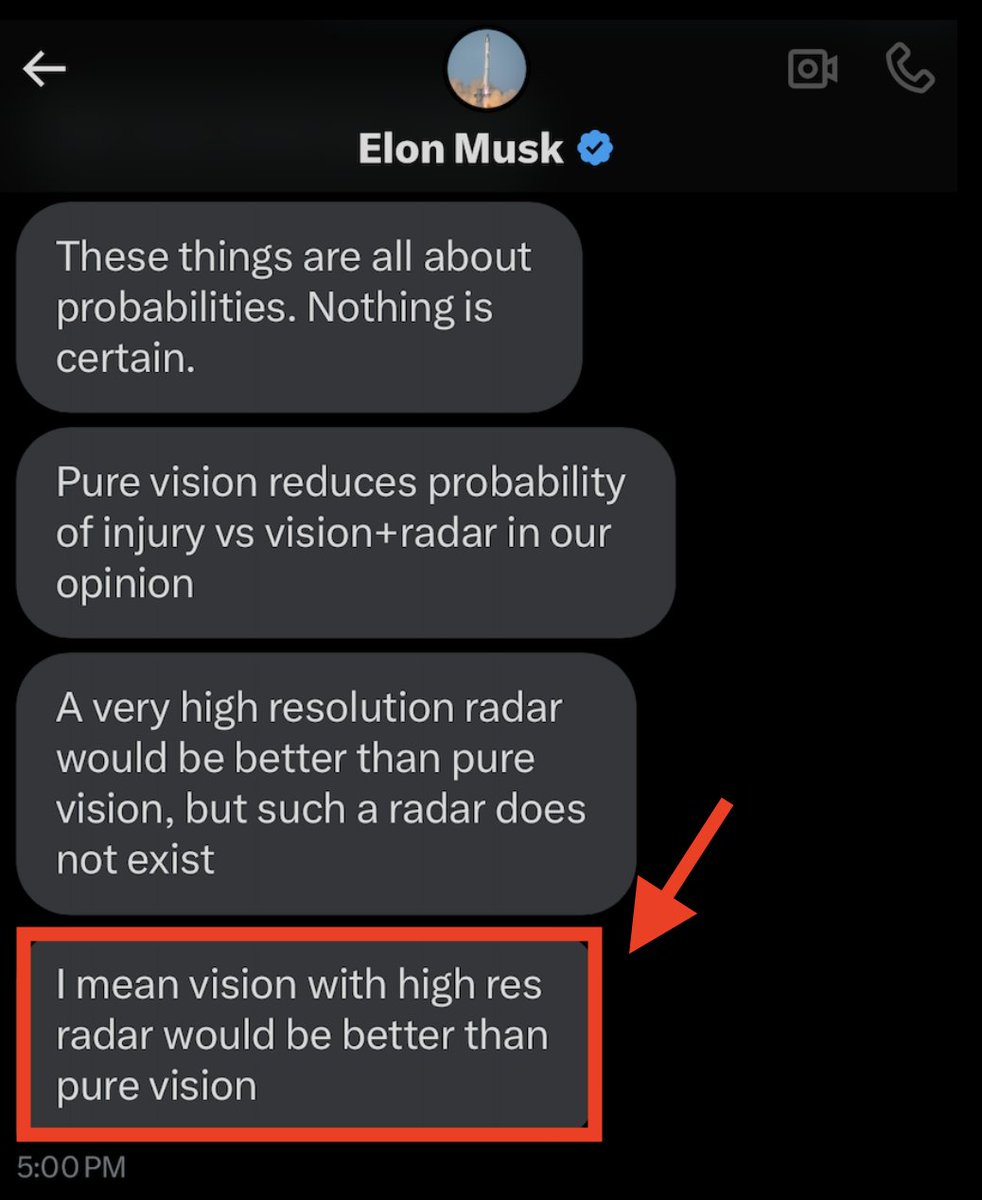
The core tension here is straightforward: Tesla removed radar from its vehicles in mid-2021, betting entirely on cameras and neural nets — what the company calls Tesla Vision. The 'Radar Saves Us' document title implies at least some internal engineers disagreed with that direction, or at minimum documented scenarios where radar would have made a material difference. NHTSA wants to know exactly what Tesla knew, and when.
Investigation at a Glance
What This Means If You Use FSD
NHTSA's investigation doesn't trigger an automatic recall or any change to your vehicle's software today. But the conditions at the center of this probe — sun glare, fog, dust — are everyday driving scenarios, not edge cases. If you regularly use FSD Supervised, this is worth your attention right now.
Action Plan for FSD Users
Until this investigation concludes and Tesla responds to NHTSA's demand, here are concrete steps to take:
- Disable FSD in known low-visibility conditions. Sun glare at dawn and dusk, morning fog, and dusty roads are exactly the scenarios NHTSA is investigating. Use manual driving or standard Autopilot (Traffic-Aware Cruise Control) in these conditions until there's more clarity on how Tesla addresses the degradation detection issue.
- Check your FSD version and keep software current. On your touchscreen, go to Controls → Software and confirm you're on the latest available build. Tesla has been iterating on FSD's handling of degraded-visibility scenarios — staying current is your best near-term protection. You can also check our all software updates coverage to track what each build changes.
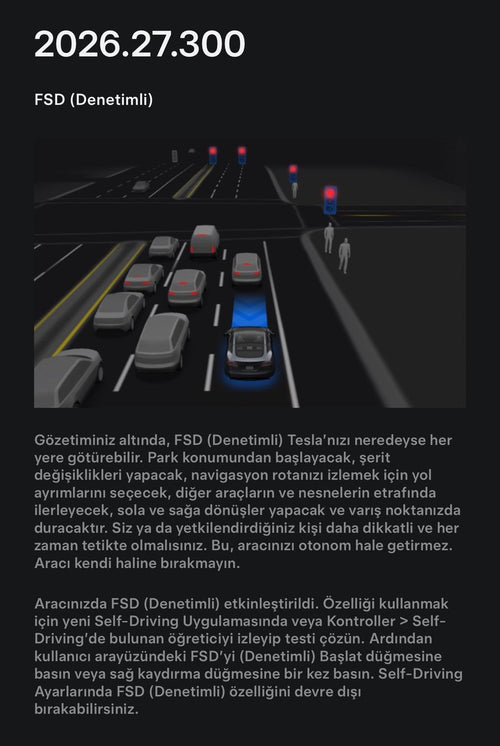
- Understand what 'FSD Supervised' actually means. FSD is not autonomous. It requires an attentive driver ready to take over at any moment. In low-visibility conditions, that handoff window can be very short. Keep both hands near the wheel and eyes on the road — not the instrument cluster.
- Report anomalies through the app. If FSD behaves unexpectedly in fog, glare, or dust, use the in-car voice command 'Report' or submit feedback via the Tesla app immediately after the trip. NHTSA's investigation is data-driven — Tesla's own incident reporting feeds into the regulatory picture.
- Monitor NHTSA's public docket. Engineering Analysis EA26002 is a public record. Tesla's formal response is due August 12, 2026. If NHTSA escalates to a recall investigation, that will be posted publicly at nhtsa.gov. Bookmark it.
The Bigger Picture
The 'Radar Saves Us' document title is striking precisely because it comes from inside Tesla. It doesn't matter whether the document ultimately supports or undermines the vision-only strategy — the fact that NHTSA named it specifically, and that Tesla had already submitted it once before, suggests it contains substantive engineering analysis of camera limitations. That's the kind of internal candor regulators find most useful.
Tesla has until August 12 to respond. Whatever that response contains will shape whether this investigation stays at the Engineering Analysis level or moves toward a formal recall. For the 3.2 million vehicles in scope, that's a date worth watching. For our ongoing coverage of this investigation and FSD developments, see our FSD coverage.
Related Gear
Gear up your Tesla with tested, custom-fit BASENOR accessories — shop Tesla accessories →
Sources & reporting notes
The links below identify the material source records used for this report.
- @FredLambert on X (2026-07-21T20:42:40.000Z) — Direct source
Source links are preserved as published or accessed. See our editorial standards and corrections policy.
The BASENOR Editorial Desk covers Tesla, SpaceX, and related technology, curating reporting from primary sources — official accounts, regulatory filings, and software release data. Every article passes source-record and fact-checking review before publication. About the newsroom.
This report was curated by the BASENOR Editorial Desk from the sources listed above. Read our editorial standards or email editorial@basenor.com to report an error.