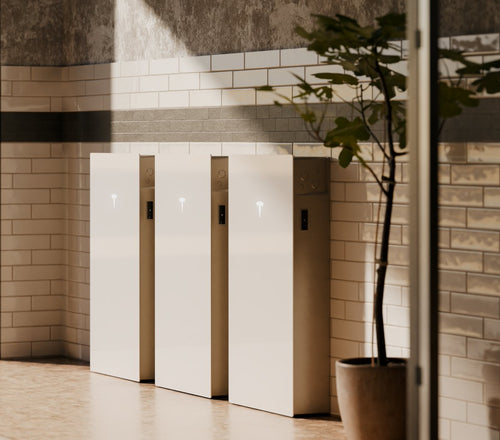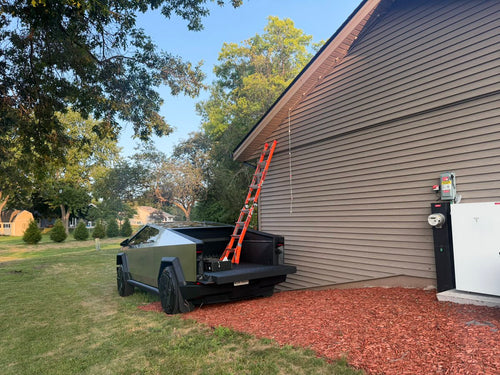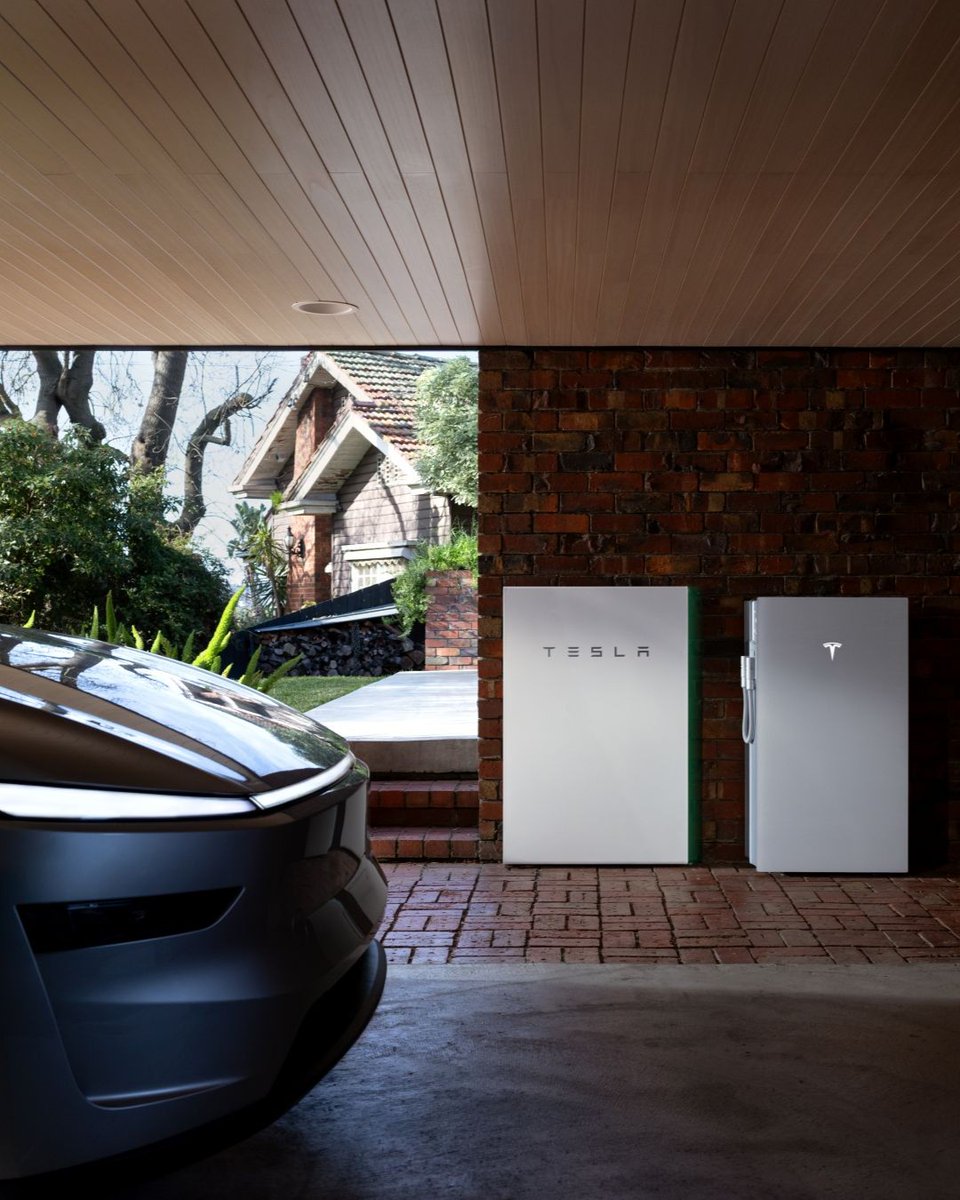
Tesla has officially confirmed that Powerwall 3 can now be added to existing Powerwall 2 installations across Australia and New Zealand — no hardware swap required. For the tens of thousands of AUNZ homeowners who already have a Powerwall 2 on the wall, this opens a direct path to more storage capacity and newer inverter technology without starting from scratch. Here's what the rollout actually means in practice.

1. It's a Firmware Update, Not a Hardware Retrofit
Compatibility is delivered entirely over-the-air. According to Tesla's documentation, no physical changes to your existing Powerwall 2 units are required — the firmware update handles the integration. AUNZ is the first region globally to receive this update, which rolled out on July 5, 2026, following Tesla's initial announcement of the feature back in March. Your existing Powerwall 2 simply gets a new system role once the Powerwall 3 is installed alongside it.
2. The Powerwall 3 Becomes the System Leader
In a combined setup, the Powerwall 3 takes on the role of system controller. It manages energy flow across all units, including the legacy Powerwall 2s. This matters because it means the performance characteristics and intelligence of the newer hardware effectively govern the whole system — you're not just bolting on extra capacity, you're upgrading the brain of your home energy setup at the same time.
3. You Can Stack Up to 100+ kWh of Usable Storage
The maximum supported configuration is four Powerwall 2 units, one Powerwall 3, and up to three Powerwall 3 Expansion units. Each unit carries 13.5 kWh of usable capacity. At full build-out, that's a combined system capable of delivering over 100 kWh — enough to run most Australian homes through multiple days of grid outage or to seriously shift energy consumption away from peak tariff periods. Most homeowners won't build to that ceiling, but the headroom is there.
4. Three-Phase Homes Have a Temporary Limitation
This is the one catch worth flagging clearly. If your property has a three-phase grid connection — common in larger Australian homes and many commercial premises — the Powerwall 3's output in a combined system is currently capped at 5 kW. That's a meaningful constraint compared to the unit's full 11.04 kW AC continuous output capability. According to Tesla's documentation, a native three-phase Powerwall 3 is anticipated later in 2026, so three-phase customers may want to monitor that timeline before committing to a combined installation.
5. Some Legacy Hardware Won't Make the Cut
Not every existing Powerwall 2 setup is plug-and-play compatible. If your system still uses a Gateway 1, you'll need to upgrade to a Gateway 2. If you have a Neurio Meter, that will need to be replaced with a Tesla Remote Meter. These are real upfront costs to factor into the economics of expanding. Your Tesla Certified Installer can assess your current setup before you commit — which leads directly to the next point.
6. Only Tesla Certified Installers Can Do the Work
Tesla requires that all combined system installations be carried out by a Tesla Certified Installer. That's not unusual for Powerwall work generally, but it's worth confirming your installer holds current certification before booking. On the warranty side: your existing Powerwall 2 units retain their original warranty terms unchanged. Any new Powerwall 3 or Powerwall 3 Expansion units added to the system come with a 10-year warranty from their installation date.
For AUNZ Powerwall 2 owners who've been watching the Powerwall 3 launch from the sidelines, this update removes the biggest barrier to upgrading — the prospect of replacing a working system entirely. The practical next step is a conversation with a Tesla Certified Installer to confirm your gateway hardware, assess your phase connection, and size the expansion to your actual energy needs.
Related Gear
Gear up your Tesla with tested, custom-fit BASENOR accessories — shop Tesla accessories →
Sources & reporting notes
The links below identify the material source records used for this report.
- @TeslaAUNZ on X (2026-07-27T22:34:20.000Z) — Direct source
Source links are preserved as published or accessed. See our editorial standards and corrections policy.
The BASENOR Editorial Desk covers Tesla, SpaceX, and related technology, curating reporting from primary sources — official accounts, regulatory filings, and software release data. Every article passes source-record and fact-checking review before publication. About the newsroom.
This report was curated by the BASENOR Editorial Desk from the sources listed above. Read our editorial standards or email editorial@basenor.com to report an error.