
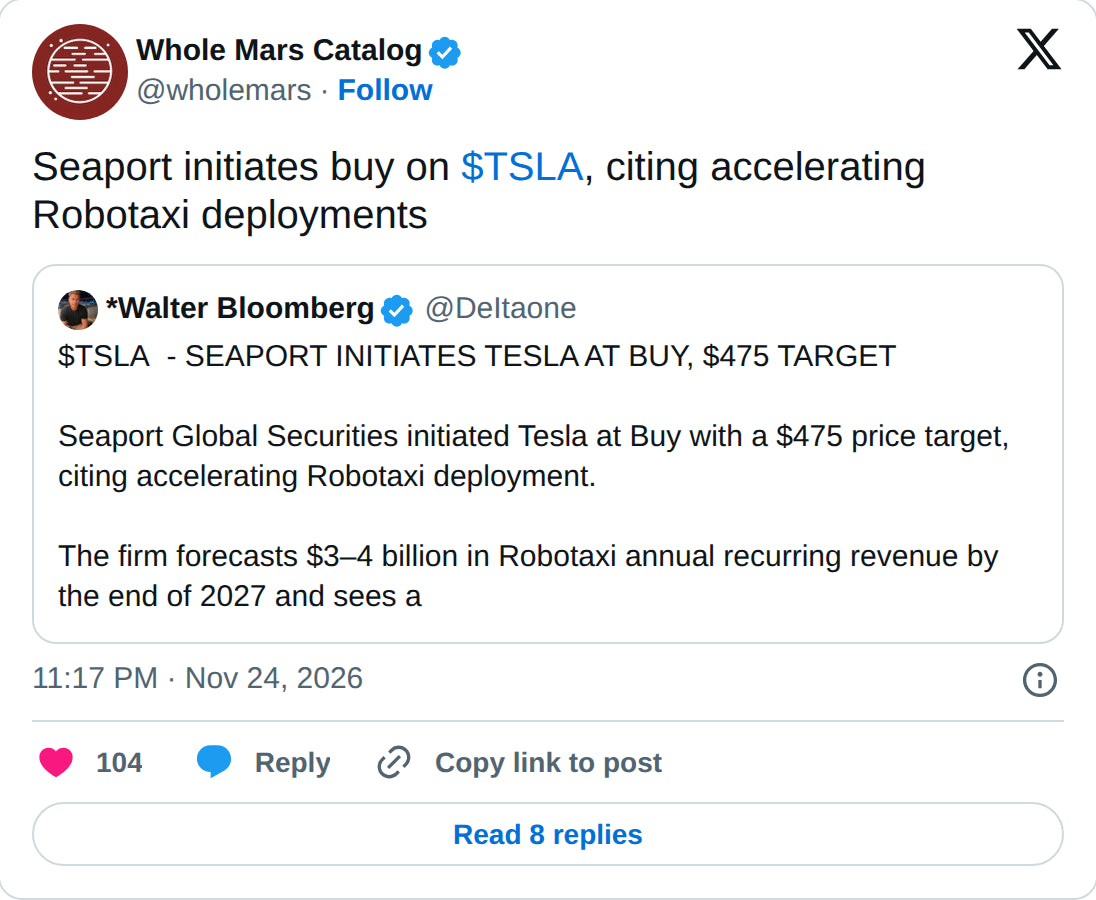
Seaport Global Securities initiated coverage on Tesla ($TSLA) with a Buy rating and a $475 price target on November 24, 2026 — implying roughly 23% upside from where the stock was trading. The thesis isn't built on vehicle sales. It's built almost entirely on the robotaxi business, and the numbers Seaport put behind it are worth unpacking.

1. The Price Target and What It Assumes
Seaport set its target at $475, against a stock price of $385.46 at the time of initiation — a roughly 23% implied upside that values Tesla at approximately $1.52 trillion. That's not a speculative moonshot target, but it's also not a conservative one. The firm is essentially saying the market is underpricing the robotaxi segment's near-term revenue potential, and that the gap closes as deployment data becomes harder to ignore.
2. The $3–4 Billion ARR Projection for 2027
The most concrete number in Seaport's thesis: they project Tesla's robotaxi business could generate between $3 billion and $4 billion in annual recurring revenue by the end of 2027. For context, that would make the robotaxi segment a meaningful standalone business within roughly 12 months — not a distant promise. The projection is tied directly to the pace of operational design domain expansion, meaning more cities, more vehicles, more miles.
3. Fleet Size Is Growing Faster Than Most Realize
The operational picture on the ground supports Seaport's optimism. According to Texas DMV records, Tesla's robotaxi network in Texas registered approximately 1,306 vehicles as of November 14 — up from 449 Cybercabs and 362 Model Ys authorized for driverless operation in late October. Unsupervised service now covers Austin, Dallas, Fort Worth, Houston, and San Antonio in Texas, plus Miami, Orlando, and Tampa in Florida, operating 24/7. Public Cybercab rides launched in Dallas on November 19, making it the second city after Austin to deploy the purpose-built vehicle.
4. The Vision-Only Argument Against Competitors
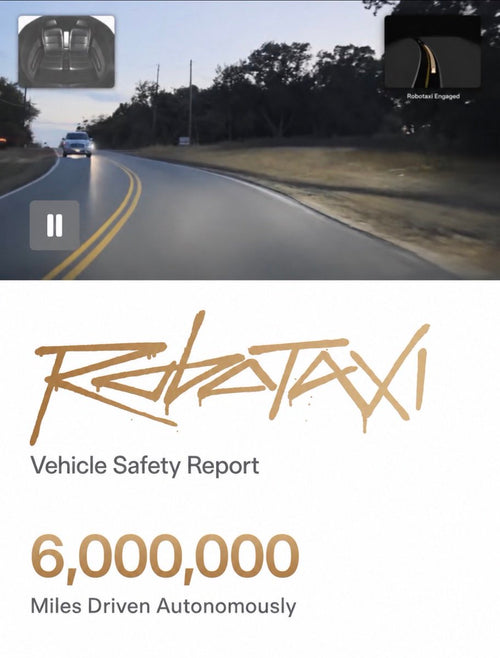
Seaport specifically flagged Tesla's camera-only approach as a potential structural advantage for expansion speed. The argument: without lidar hardware requirements, Tesla can deploy vehicles in new cities without waiting for detailed HD map coverage or sensor infrastructure buildout. The firm noted Tesla is accumulating autonomous miles in Texas at a faster rate than Waymo. Tesla reported nearly 2 million cumulative unsupervised miles by end of September 2026, reaching 3.1 million by October 18 — a pace that suggests the gap between Tesla and legacy AV players is narrowing on this metric.
5. The Manufacturing Scale Behind the Thesis
A robotaxi business only works at scale if you can build the vehicles fast enough. Tesla's planned €3 billion expansion of its Berlin Gigafactory — targeting annual production capacity of up to one million Cybercabs — is the supply-side piece Seaport's revenue projections depend on. Separately, Tesla's assisted driving system received approval from Finland's transport authority Traficom for deployment to customers on Finnish roads, signaling that international regulatory clearance is beginning to follow the US operational momentum.
Seaport's initiation is notable less for the rating itself — Buy initiations are common — and more for the specificity of the robotaxi revenue model underpinning it. If the $3–4 billion ARR target proves accurate, it would represent a genuine inflection in how the market values Tesla's autonomous segment. The next data point to watch: how quickly the fleet count in Texas and Florida continues to climb through the end of 2026.
🚕 Following the Robotaxi rollout? See every operating city, launch date and announced market in our Tesla Robotaxi Tracker.
Related Gear
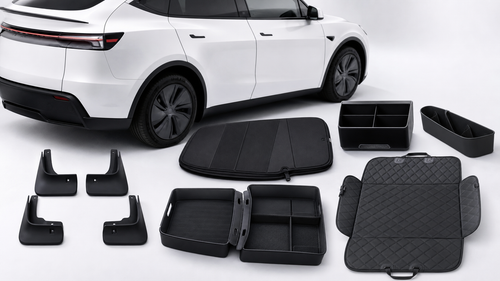
Gear up your Tesla with tested, custom-fit BASENOR accessories — shop Tesla accessories →
Sources & reporting notes
The links below identify the material source records used for this report.
- @wholemars on X (2026-11-24T15:17:51.000Z) — Direct source
Source links are preserved as published or accessed. See our editorial standards and corrections policy.
The BASENOR Editorial Desk covers Tesla, SpaceX, and related technology, curating reporting from primary sources — official accounts, regulatory filings, and software release data. Every article passes source-record and fact-checking review before publication. About the newsroom.
This report was curated by the BASENOR Editorial Desk from the sources listed above. Read our editorial standards or email editorial@basenor.com to report an error.