📌 UPDATE — August 7, 2026
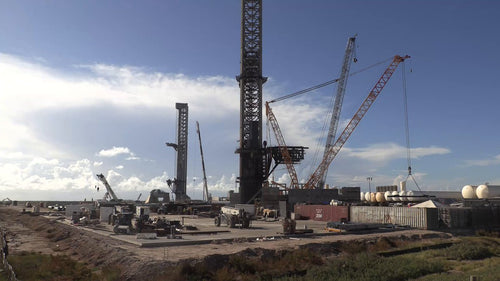
SpaceX has confirmed the Flight 13 Starship recovery is proving more difficult than anticipated. The recovery team is battling challenging conditions and increasingly rough seas in the Indian Ocean as they attempt to tow the 52-meter-long spacecraft to port. SpaceX shared footage of the ongoing operation, showing the scale of the task in open-ocean swells. No revised timeline for port arrival has been provided yet.
@SpaceX · Aug 7, 2026
"The SpaceX Recovery team is still working to recover Flight 13's Starship from the Indian Ocean. They've been overcoming challenging conditions and increasingly rough seas as they attempt to guide the 52m long spacecraft to port"
View on X →
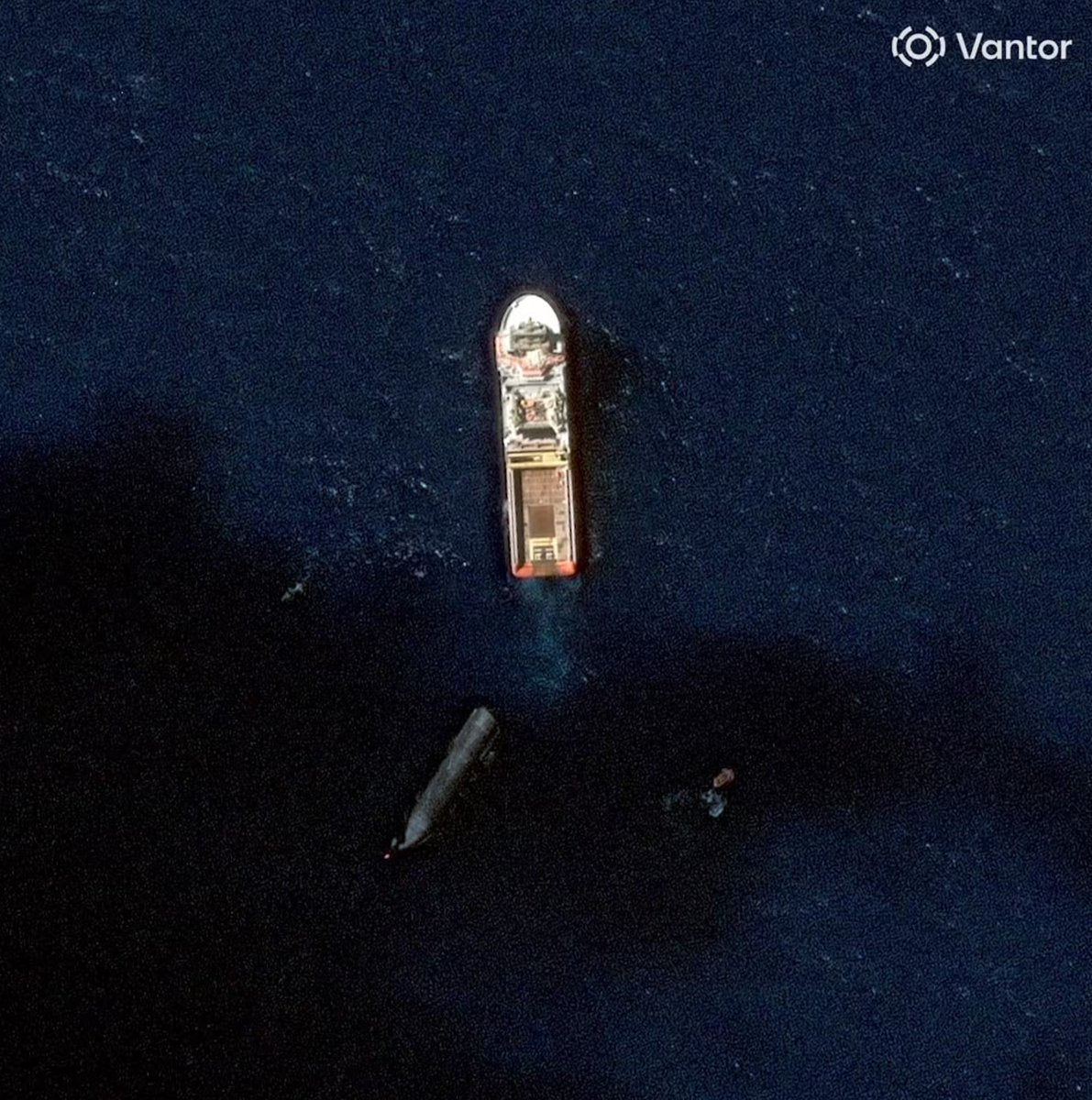
For the first time in the Starship program's history, SpaceX is actively recovering a flown Starship vehicle from the ocean — not writing it off. Fresh satellite imagery published on August 4 shows Ship 40 under tow in the Indian Ocean, a scene that would have seemed improbable just months ago and now signals a genuine turning point in the company's reusability roadmap.

How Ship 40 Survived Long Enough to Recover
Ship 40 completed Starship's thirteenth fully integrated test flight on July 24, 2026. The mission ended with a controlled soft splashdown in the Indian Ocean — described by observers as the softest Starship water landing to date — and crucially, the vehicle remained intact and buoyant afterward. That outcome wasn't guaranteed. Previous Starship flights ended in breakup or controlled destruction; Ship 40 simply floated.
That unexpected buoyancy changed SpaceX's calculus almost immediately. On July 28, Elon Musk confirmed the company would attempt a recovery. Four days later, satellite imagery from provider Vantor showed Norwegian tugboats Normand Ranger and Skimmer Tide alongside SpaceX's support vessel Go Australis, with a tow line already attached to Starship's nose section. The convoy is currently heading toward a Western Australian port — likely Dampier or Port Hedland — with an estimated arrival around August 11–12, according to reporting based on the Vantor imagery.
Why This Recovery Matters Beyond the Optics
The satellite images are striking, but the engineering significance runs deeper than a good photograph. SpaceX's entire Starship business case rests on rapid reusability — the same logic that made Falcon 9 economically transformative. Catching Super Heavy boosters with the Mechazilla arms at Starbase has already demonstrated that the booster stage can be reused; recovering Ship 40 extends that reusability proof-of-concept to the upper stage, which is the harder and more expensive half of the vehicle.
Flight 13 carried additional weight as a program milestone. It was the second flight of the Starship and Super Heavy V3 vehicle configuration, and the first mission to deploy next-generation Starlink V3 satellites — meaning the flight was operationally productive, not just a test. Recovering the ship afterward means SpaceX can now inspect exactly how the thermal protection system, structural components, and propulsion hardware fared through re-entry and an ocean soak. That data is irreplaceable for engineering the rapid-reuse turnaround the program ultimately needs.
What Comes Next
The tow is still underway and won't complete for roughly another week. Once Ship 40 reaches port, SpaceX engineers will assess whether the vehicle is a candidate for refurbishment and reflights or primarily a data-collection asset. Either outcome advances the program: a refly would be a historic first for a Starship upper stage; a detailed post-recovery teardown would inform the design of future ships.
The broader trajectory is clear. SpaceX has now demonstrated booster catch, controlled upper-stage splashdown, and active ocean recovery in rapid succession. Full end-to-end reusability — the kind that makes Starship a commercially viable heavy-lift platform — is no longer a theoretical roadmap item. It's being assembled piece by piece, and Ship 40 is the latest piece. For more on SpaceX's progress, see our SpaceX coverage.
🚀 Following the Starship program? See every test flight, official outcome and the next launch window in our SpaceX Starship Tracker.
Sources & reporting notes
The links below identify the material source records used for this report.
- @SawyerMerritt on X (2026-08-04T01:31:07.000Z) — Direct source
Source links are preserved as published or accessed. See our editorial standards and corrections policy.
The BASENOR Editorial Desk covers Tesla, SpaceX, and related technology, curating reporting from primary sources — official accounts, regulatory filings, and software release data. Every article passes source-record and fact-checking review before publication. About the newsroom.
This report was curated by the BASENOR Editorial Desk from the sources listed above. Read our editorial standards or email editorial@basenor.com to report an error.