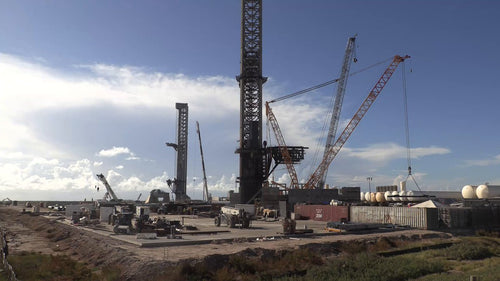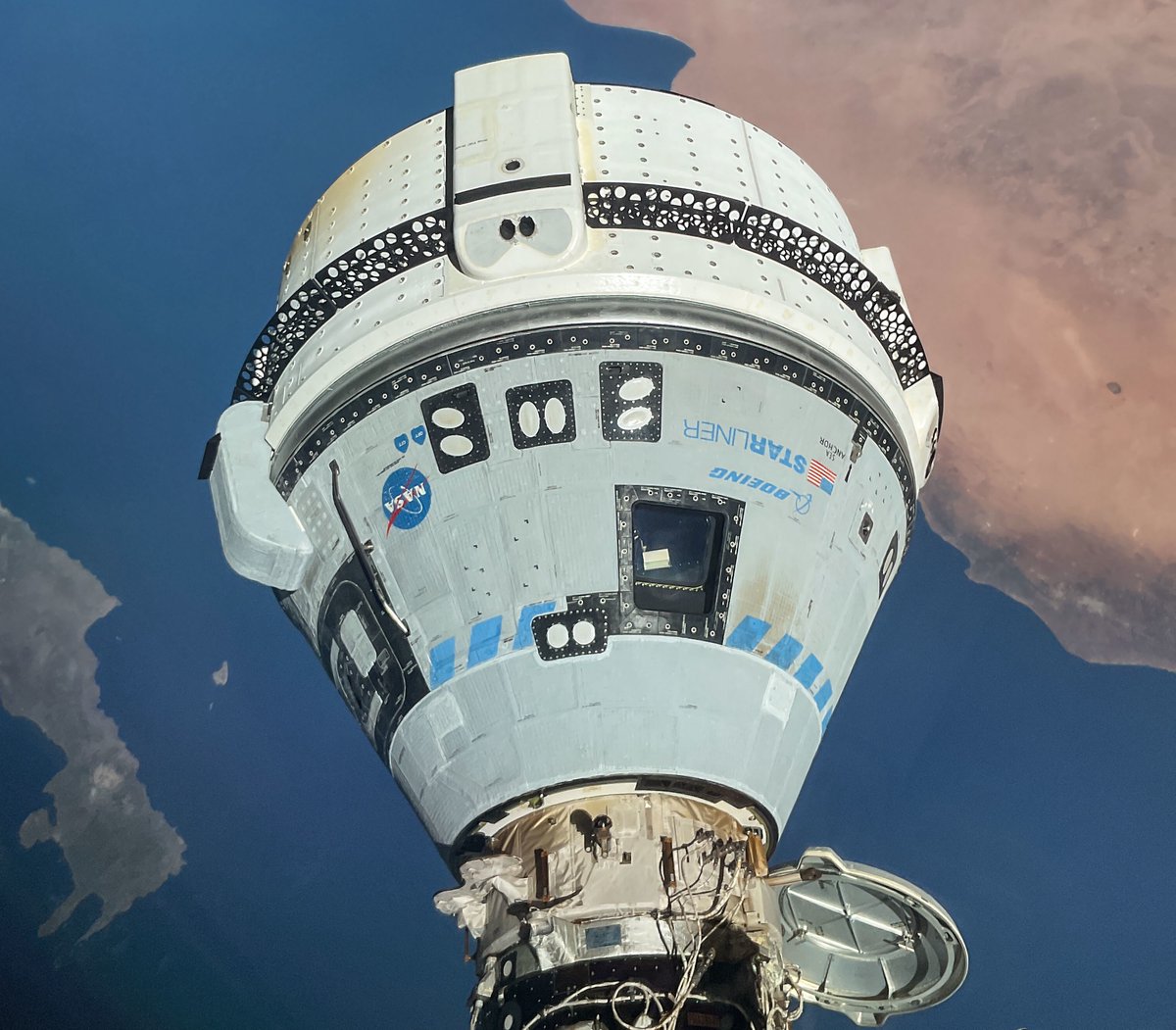
A significant SpaceX-related mission has a 'No Earlier Than August 1' target date on NASA's internal scheduling documents — but the reporter who broke the news isn't convinced it will actually fly this year. Eric Berger, senior space editor at Ars Technica and one of the most plugged-in journalists covering the industry, flagged the date while making clear his personal skepticism about the timeline holding.

Berger's framing matters here. When a journalist of his caliber says he'd be 'rather surprised' if something happens on schedule, that's not casual hedging — it's a signal that internal NASA dates and operational reality are diverging, as they often do in human spaceflight. NASA's internal schedules frequently carry aspirational dates that serve planning purposes more than they reflect true launch readiness.
For context, NASA and SpaceX have a busy manifest through the back half of 2026. Confirmed missions in the August window include the Nancy Grace Roman Space Telescope launch aboard a Falcon Heavy (targeted NET August 30), plus multiple Space Development Agency payloads on Falcon 9 slated for August. The CRS-35 cargo resupply mission to the International Space Station is also penciled in for the August–fall timeframe, according to rocketlaunch.org. Any of these — or a higher-profile crewed or flagship mission — could be what Berger is referencing, though he hasn't specified the exact event tied to the August 1 date.
The bottom line: August 1 is on the books internally, but schedule slips are the rule, not the exception, in this business. Berger's track record of accurate sourcing means the date is real — his skepticism just means you shouldn't plan a launch-watch party quite yet. We'll update as more details surface. For more on upcoming SpaceX missions and milestones, see our SpaceX coverage.
Sources & reporting notes
The links below identify the material source records used for this report.
- @SciGuySpace on X (2026-06-23T02:05:59.000Z) — Direct source
Source links are preserved as published or accessed. See our editorial standards and corrections policy.
The BASENOR Editorial Desk covers Tesla, SpaceX, and related technology, curating reporting from primary sources — official accounts, regulatory filings, and software release data. Every article passes source-record and fact-checking review before publication. About the newsroom.
This report was curated by the BASENOR Editorial Desk from the sources listed above. Read our editorial standards or email editorial@basenor.com to report an error.