📌 UPDATE — June 25, 2026
Ship 40 has successfully completed its first static fire test, igniting a single Raptor engine for approximately 10 seconds at Starbase. The test came after a hold of nearly 20 minutes, with observers suggesting SpaceX may have been intentionally allowing propellants to warm up — potentially indicating this was a warm propellant engine test. The milestone checks another critical box ahead of Starship Flight 13, currently targeted no earlier than later this summer.


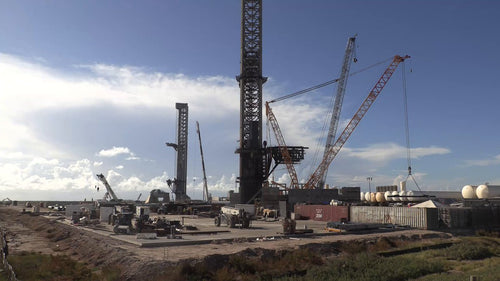
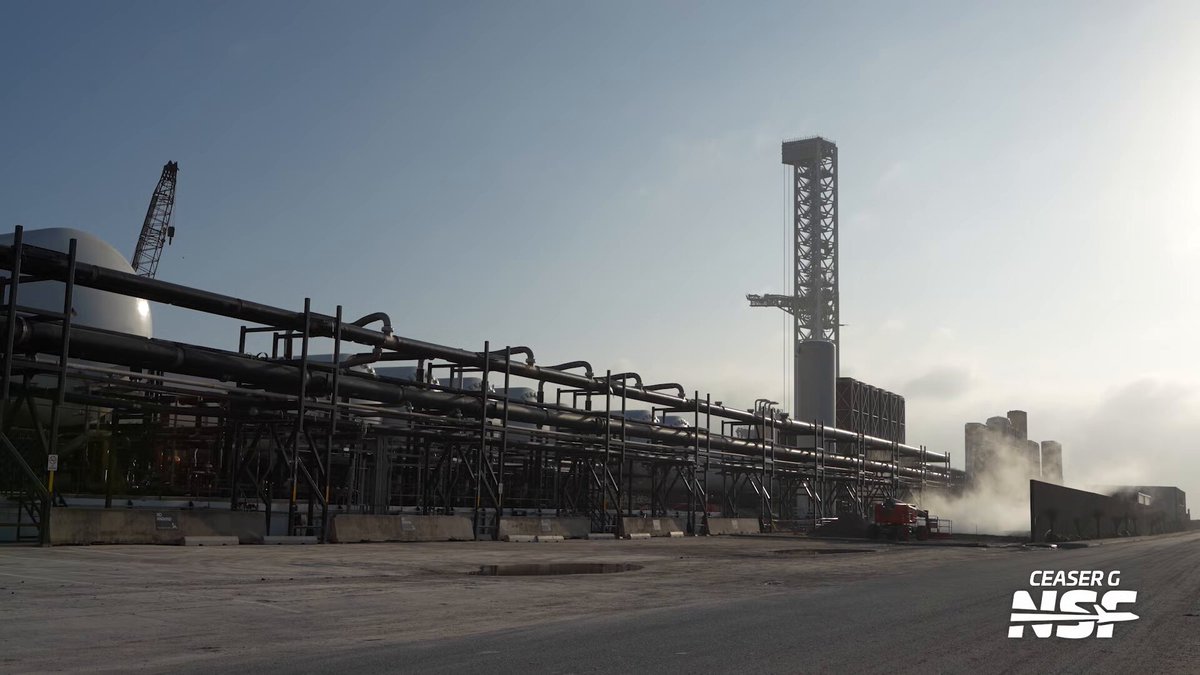
SpaceX's Starship program is quietly building momentum on multiple fronts simultaneously. According to NASASpaceflight, Florida's LC-39A launch complex is closing in on completion, SLC-37A is making meaningful progress, and Pad 2 at Starbase has now logged an impressive 11 deluge system tests — all pointing toward a program that is steadily stacking the deck for Flight 13 and beyond.

The 11 deluge tests at Pad 2 stand out as a particularly telling signal. Deluge systems — which flood the launch mount with water to suppress acoustic energy and protect hardware during ignition — require extensive calibration before they're trusted in a live launch environment. Running 11 tests in succession suggests SpaceX is not just checking a box, but actively dialing in performance data across varying conditions. That kind of repetition is what separates a pad that's ready from one that merely looks ready.
Meanwhile, the dual progress at LC-39A in Florida and SLC-37A represents SpaceX's broader ambition to operate Starship from the East Coast — expanding beyond Starbase in South Texas and enabling trajectories that Boca Chica's geography simply can't support. LC-39A, the historic Kennedy Space Center pad that launched Apollo 11 and numerous Falcon 9 and Falcon Heavy missions, has been undergoing significant modifications to accommodate Starship's scale. Its nearing completion is a milestone the program has been working toward for well over a year. SLC-37A, formerly a United Launch Alliance Delta IV site, adds yet another string to SpaceX's bow for future high-cadence operations.
Flight 13 itself hasn't received an official launch date, but the convergence of infrastructure readiness across two states — combined with the cadence of ground testing — indicates SpaceX is targeting a launch window that isn't far off. For a program that has moved from explosive early test flights to increasingly controlled and ambitious missions, the current pace of preparation reflects a team that has learned from each flight and is building the ground infrastructure to match its orbital ambitions. For our full SpaceX coverage, including previous Starship flight recaps, check the archive.
🚀 Following the Starship program? See every test flight, official outcome and the next launch window in our SpaceX Starship Tracker.
Sources & reporting notes
The links below identify the material source records used for this report.
- @NASASpaceflight on X (2026-06-22T23:10:00.000Z) — Direct source
- @NASASpaceflight on X (2026-06-25T23:40:54.000Z) — Direct source
- @CSI_Starbase on X (2026-06-25T23:44:34.000Z) — Direct source
Source links are preserved as published or accessed. See our editorial standards and corrections policy.
The BASENOR Editorial Desk covers Tesla, SpaceX, and related technology, curating reporting from primary sources — official accounts, regulatory filings, and software release data. Every article passes source-record and fact-checking review before publication. About the newsroom.
This report was curated by the BASENOR Editorial Desk from the sources listed above. Read our editorial standards or email editorial@basenor.com to report an error.